
Unlike most household pests, moths don’t spread disease or bite — but left untreated, they can quietly destroy wool carpets, clothing, and stored fabrics before most people even realise there’s an infestation. It’s the moth larvae, not the adult moths you see flying around, that do the actual damage, feeding on natural fibres like wool, silk, and fur.
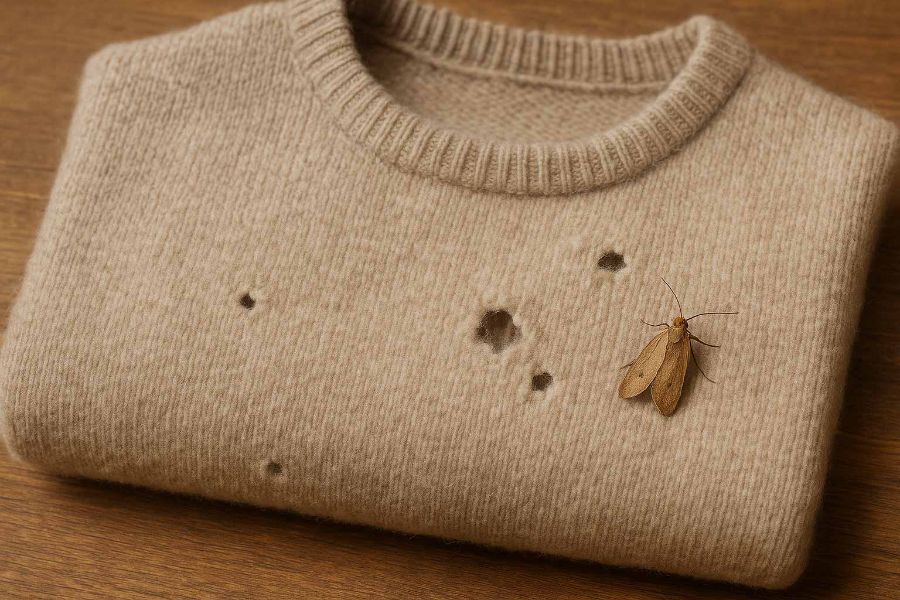
Clothes moths and carpet moths avoid light and prefer dark, undisturbed areas — the back of a wardrobe, under a sofa, behind curtains — which is exactly why an infestation can be well established before it’s noticed. By the time visible holes appear in a carpet or jumper, the larvae responsible have often already moved on to pupate elsewhere in the property.
Moth treatment in London typically starts from around £170–£260, usually across two visits to a set number of rooms, with additional rooms costed separately. Costs rise for larger properties or where valuable carpets and textiles need extra care during treatment. We’ll confirm an exact price after inspection.
Moth infestations are a frequent call-out across North West London (period homes with wool carpets) and Central London (mansion blocks and older conversions). Check your area page for local detail, or contact us directly.
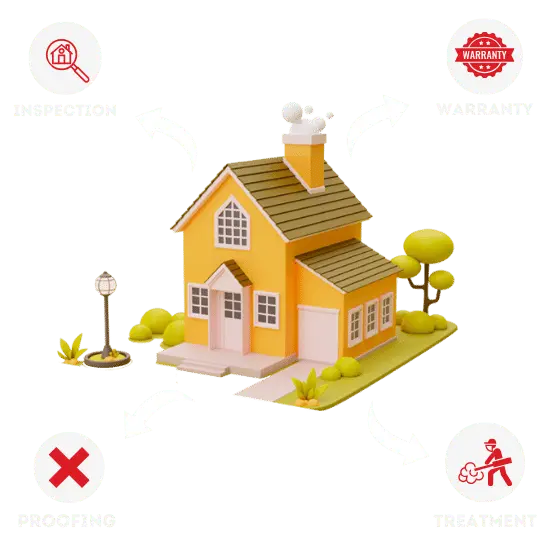
The Extermination process includes a thorough inspection of your property, sealing off entry points to stop future infestations, using safe and effective pesticides and rodenticides, and providing a warranty.
Lorem ipsum dolor sit amet, consectetur adipiscing elit. Ut elit tellus, luctus nec ullamcorper mattis, pulvinar dapibus leo.
Both can cause similar fabric damage, but moths tend to leave silky webbing near the damage, while carpet beetle larvae leave shed, bristly skins behind. A professional inspection can confirm which pest you're dealing with, since treatment differs slightly between the two.
Existing holes can't be undone, but treating remaining stock (freezing, dry cleaning, or sealed storage) prevents further damage and stops larvae from spreading to unaffected items.
Mainly, yes — clothes moths are drawn to natural fibres like wool, silk, fur, and feathers, and sometimes blended fabrics with a wool content. Purely synthetic fabrics are rarely affected.
Most infestations need two visits within the guarantee period, since eggs already laid before treatment can continue to hatch for a period afterwards.
Not entirely, but affected items and the immediate surrounding area should be cleared where possible — we'll give you specific preparation guidance based on what's affected during inspection.
Pheromone traps catch adult male moths and are useful for monitoring activity, but they don't address the larvae actually causing damage — they're a helpful add-on to treatment, not a replacement for it.
Yes, particularly if infested items (clothing, rugs, storage boxes) are moved between rooms, or via loft insulation and shared wardrobe spaces in flats.
Yes — we use application methods and products suited to delicate materials, and we'll advise on protecting particularly valuable items during treatment.
24/7 emergency response for all common London pests including rodents and insects. Contact us today for a free quotation and guaranteed results.