
Flea Control London
- Same-day and next-day visits
- BPCA certified technicians
- Free revisit within 60 days
Get a free flea control quote
We call you back within 15 minutes, day or night. Quotes are free.
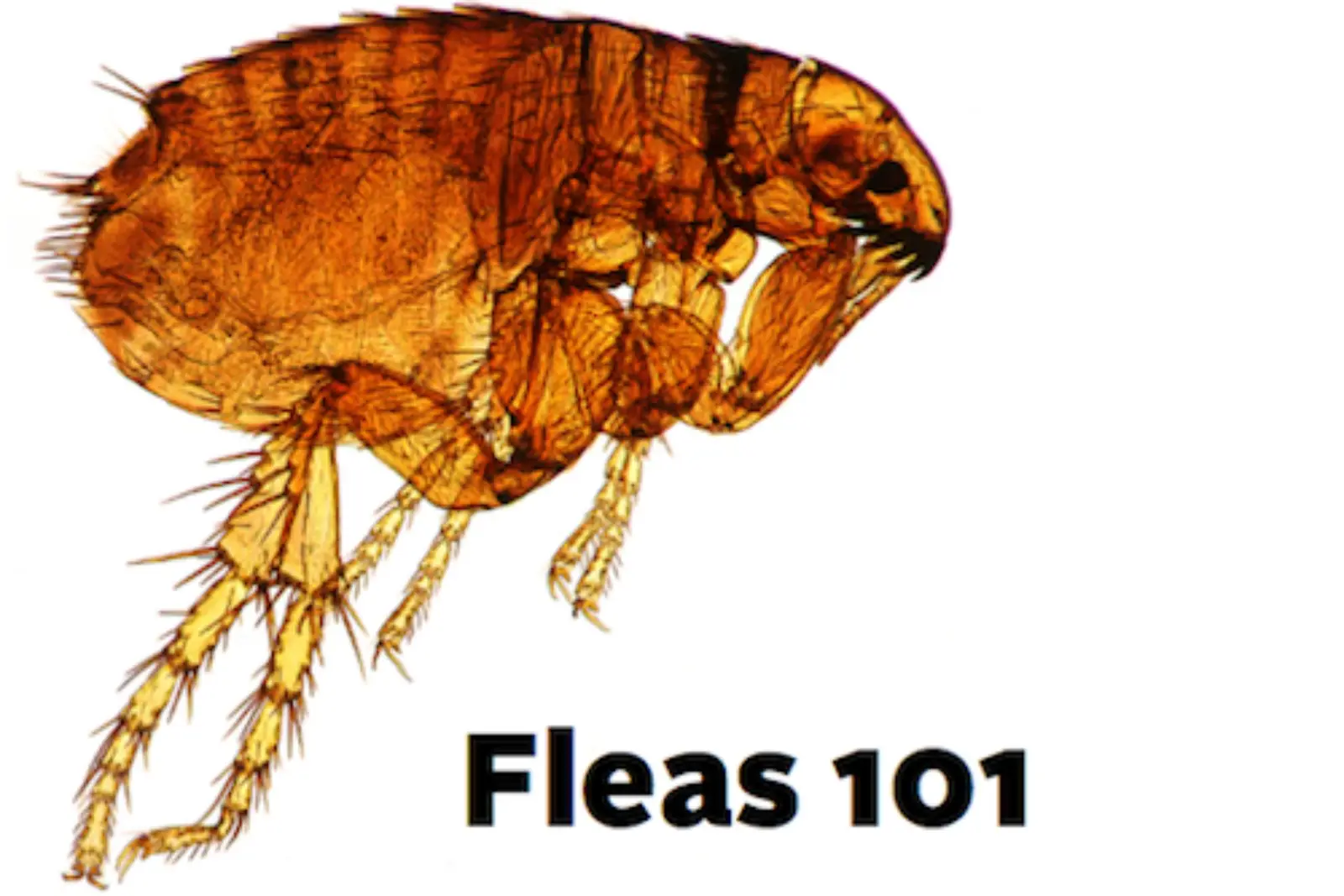
Fleas are one of the few common household pests that usually arrive via a pet, but rarely stay limited to the pet itself - eggs and larvae fall off into carpets, sofas, and bedding, and a flea can survive in ideal conditions for months without a host. That’s why treating the pet alone almost never solves a flea problem: the real infestation is living in your soft furnishings.
Signs of a flea infestation
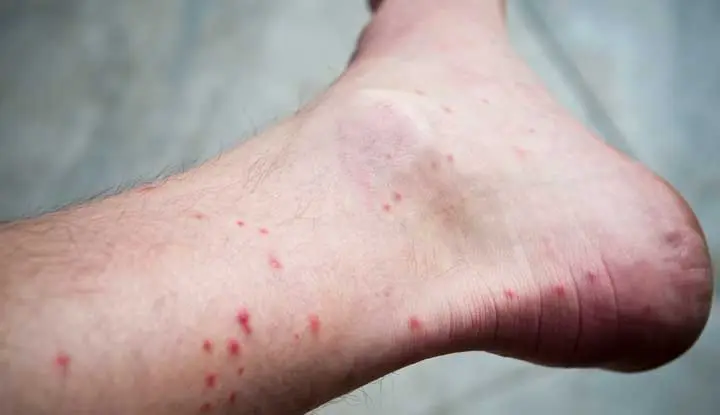
- Small, itchy bites, often in clusters around ankles and lower legs
- Pets scratching more than usual, or visible fleas in their fur
- Tiny dark specks (flea dirt) on pet bedding, carpets, or where pets rest
- Fleas jumping visibly off carpet when walked across, especially in a previously empty room
Why treating the pet isn’t enough
Adult fleas represent only a small fraction of an infestation at any given time - the majority of the population exists as eggs, larvae, and pupae hidden deep in carpet fibres, skirting board gaps, and upholstery seams. Flea pupae are especially resilient and can remain dormant for weeks, hatching once they sense vibration or warmth (which is why empty properties sometimes see a flea “explosion” as soon as someone moves back in). Vet-approved flea treatment on the pet is essential, but professional treatment of the property is what actually resolves the infestation.
Our Flea Control Process
- Inspection: assessing which rooms are affected and the likely source (usually pet bedding areas, but not always).
- Preparation guidance: vacuuming thoroughly beforehand (this physically removes eggs and stimulates pupae to hatch into the treatment), washing pet bedding, and clearing floor edges.
- Residual insecticide treatment: applied to carpets, skirting boards, upholstery, and cracks/crevices, effective against fleas at all life stages over the following weeks.
- Follow-up visit: usually within two to three weeks, since newly hatched fleas can appear after the first treatment as pupae continue to emerge.
What does flea control cost in London?
Flea treatment is £180 for the first room and £60 for each extra room. Pupae can keep hatching for a couple of weeks after the first treatment, so don't panic if you see the odd flea in that window. If they are still there after it, or come back within 60 days, we return free.
We agree the number of rooms with you before we start.
Common in These London Areas
Flea infestations are a frequent call-out across all London areas where pets are common, particularly North West London and South East London (larger gardens and higher pet ownership). Check your area page for local detail, or contact us directly.
Flea Control prices
| What | Price |
|---|---|
| First room | £180 |
| Each extra room | £60 |
| For example,living room and 2 bedrooms | £300 |
| Survey visit, if needed | £99, taken off the price if you book |
Quotes by phone, WhatsApp or our quote form are free. No extra charge for evenings, weekends or bank holidays, and you pay after the treatment. Every price is on our pricing page.
What happens on the visit
- We confirm it is fleas, not bed bugs, from where the bites are and what we find in carpets and soft furnishings.
- Every carpet, rug and sofa in the rooms you have chosen is treated, including edges and under furniture.
- We tell you how long to stay out of the rooms and when to start vacuuming again.
How to get ready
- Vacuum every floor, sofa and under the beds, then empty the vacuum outside.
- Wash pet bedding and your own bedding on a hot wash.
- Treat any pets with a vet-approved flea product on the same day.
- Clear toys and clutter off the floors.
When to call straight away
Act quickly if you have just moved into a flat and are being bitten. Dormant fleas wake up when someone moves in. Phones are answered 24/7, and our emergency pest control team can usually be with you the same day.
For bites that spread or get infected, see the NHS guidance on insect bites.
If they come back
Every treatment includes a free revisit if the same pest comes back to the same property within 60 days, as long as you followed our prep instructions. How the 60-day guarantee works.
Read before you book
Other pests we treat across London
Ant Control
Garden ants, nests and kitchen trails, treated at the source.Bed Bug Treatment
Heat and chemical treatment, priced by the room.Cockroach Control
German and oriental cockroaches in flats, homes and food premises.Mice Control
Mouse treatment plus proofing so they stay out.Rat Control
Source investigation, bait stations and proofing.Wasp Nest Removal
Same-day wasp nest treatment across London.Moth Control
Clothes and carpet moths, wool and clothing protected.Silverfish Control
Treatment plus advice on the damp that draws them in.Spider Control
False widow specialists for homes and gardens.Pharaoh Ant Control
Specialist multi-visit baiting. Spraying makes them spread.Squirrel Control
Grey squirrels trapped out of lofts, entry points found.Carpet Beetle Treatment
The real cause of many holes blamed on moths.Commercial Pest Control
Monthly plans for restaurants, shops and offices. Cancel any time.HMO and Hostel Bed Bugs
Room-by-room bed bug plans for landlords and hostels.Frequently asked questions
How long does flea treatment take to work?
Adult fleas are usually killed within hours of treatment, but because eggs and pupae can keep hatching for one to two weeks afterwards, full resolution is typically confirmed at a follow-up visit rather than immediately.
Do I need to leave the house during treatment?
Yes, people and pets should stay off treated surfaces until they're fully dry, usually a few hours - we'll confirm exact timing on the day.
Will fleas come back if I don't treat my pet too?
Very likely, yes. Property treatment and pet treatment (via a vet or vet-approved product) need to happen together, or the pet can simply reintroduce fleas after the property has been treated.
Can fleas survive in an empty property
Yes - flea pupae can lie dormant for weeks in an unoccupied home and hatch as soon as they detect movement or warmth, which is why previously-empty flats sometimes have a flea problem appear almost immediately after move-in.
Can I get fleas if I don't have pets?
Yes, though it's less common - fleas can be brought in on clothing, secondhand furniture, or by wildlife (foxes, mice) accessing gardens or lofts, and can also persist from a previous tenant's pet.
How many treatments will I need?
Most infestations need two visits, roughly two to three weeks apart, since flea pupae can continue hatching after the first treatment. Severe or multi-room infestations may need a third visit.
Do I need to move out during treatment?
No, but treated areas need time to dry (usually a few hours) before people or pets walk on them, and vacuuming/cleaning needs to pause for a period afterwards, which we'll confirm on the day.
Can fleas bite humans even if I have no pets in the house currently?
Yes - adult fleas will bite humans when no animal host is available, particularly on ankles and lower legs, which is often how a flea infestation is first noticed.
Fleas guides from our blog
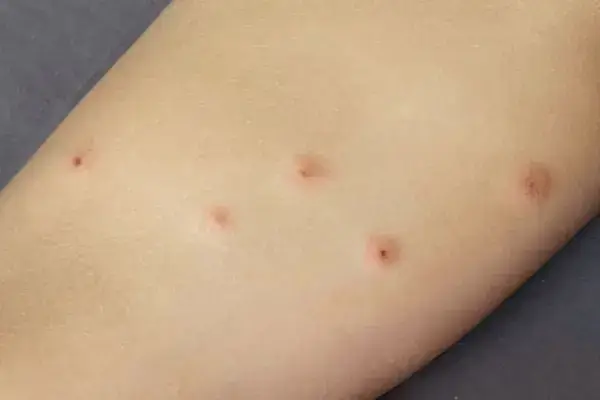
Fleas vs Bed Bugs: How to Tell Which One Is Biting You
Bites on your ankles or a line of bites on your arms? How to tell fleas from bed bugs in ten minutes, with a side-by-side table and London prices.
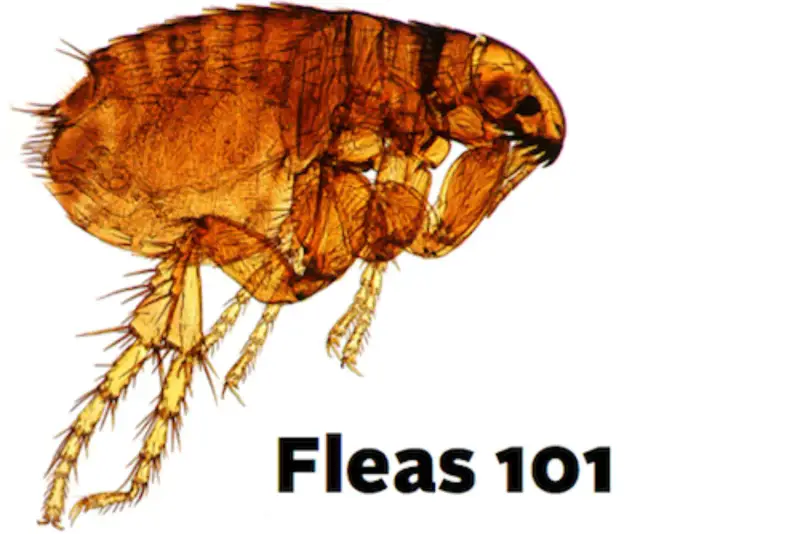
Can You Have Fleas Without Owning a Pet?
Think you need a cat or dog to get fleas? Not true. Here's how fleas turn up in pet-free London homes - and how to tell them from bed bugs.
Flea Control across Greater London
Say goodbye to unwanted pests: schedule your inspection now
A real person answers 24/7. Same-day visits available. Every treatment includes a free revisit if the pests come back within 60 days.