
Moth Control London
- Same-day and next-day visits
- BPCA certified technicians
- Free revisit within 60 days
Get a free moth control quote
We call you back within 15 minutes, day or night. Quotes are free.
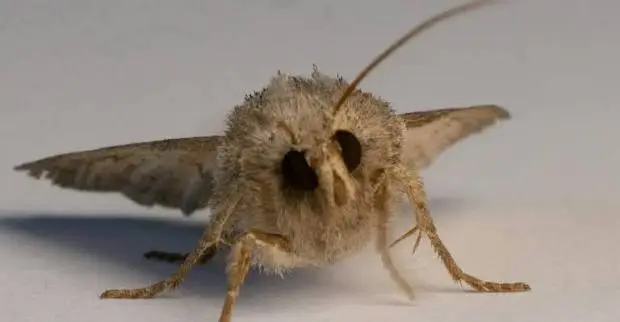
Unlike most household pests, moths don’t spread disease or bite - but left untreated, they can quietly destroy wool carpets, clothing, and stored fabrics before most people even realise there’s an infestation. It’s the moth larvae, not the adult moths you see flying around, that do the actual damage, feeding on natural fibres like wool, silk, and fur.
Signs of a moth infestation
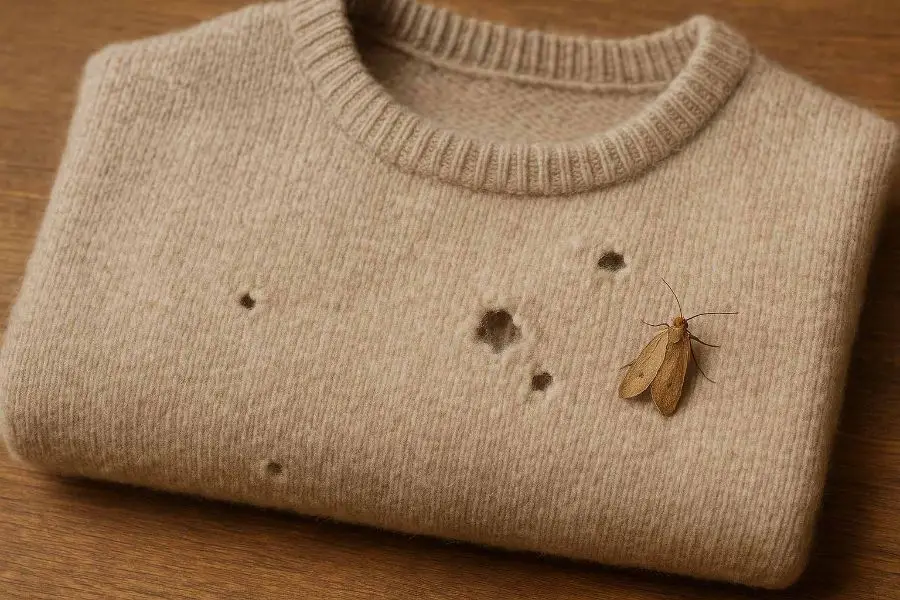
- Small holes appearing in wool jumpers, carpets, or upholstery, often in dark, undisturbed areas like wardrobes or under furniture
- Fine, silky webbing or small case-like larvae casings on fabric
- Adult moths (small, pale, often mistaken for ordinary house moths) seen flying in short, low bursts, usually at dusk
- A patchy, “eaten” appearance on carpet edges, particularly under furniture or along skirting boards where carpets are rarely disturbed
Why moths are often missed until damage is done
Clothes moths and carpet moths avoid light and prefer dark, undisturbed areas - the back of a wardrobe, under a sofa, behind curtains - which is exactly why an infestation can be well established before it’s noticed. By the time visible holes appear in a carpet or jumper, the larvae responsible have often already moved on to pupate elsewhere in the property.
Our Moth Control Process
- Inspection: identifying affected areas, likely larvae hiding spots, and the extent of fabric or carpet damage.
- Treatment: residual insecticide spray or, for more extensive infestations, ULV fogging to reach larvae in carpets, upholstery, and undisturbed storage areas.
- Guidance on protecting valuables: practical advice on storing wool items, using sealed containers, and cold-treating or dry-cleaning affected garments.
- Follow-up visit: to confirm the infestation is fully resolved, since moth eggs can take longer to hatch than the initial treatment window.
What does moth control cost in London?
Moth treatment is £180 for the first room and £60 for each extra room. If valuable carpets or textiles need extra care, we tell you on the quote before we start. If the moths come back within 60 days, we return free.
Common in These London Areas
Moth infestations are a frequent call-out across North West London (period homes with wool carpets) and Central London (mansion blocks and older conversions). Check your area page for local detail, or contact us directly.
Moth Control prices
| What | Price |
|---|---|
| First room | £180 |
| Each extra room | £60 |
| For example,bedroom and hallway carpet | £240 |
| Survey visit, if needed | £99, taken off the price if you book |
Quotes by phone, WhatsApp or our quote form are free. No extra charge for evenings, weekends or bank holidays, and you pay after the treatment. Every price is on our pricing page.
What happens on the visit
- We confirm the culprit. Clothes moths and carpet beetles leave similar holes but need different treatment.
- Wardrobes, drawers, carpet edges, under beds and any wool or silk storage are checked and treated.
- We tell you which items to wash, freeze or dry-clean, and which can go back afterwards.
How to get ready
- Empty wardrobes and drawers in the affected rooms.
- Wash what you can at 60°C, or bag it for the freezer or dry cleaner.
- Vacuum carpet edges, under the bed and inside wardrobes, then empty the vacuum outside.
- Leave rugs and carpets uncovered so we can reach the edges.
When to call straight away
Act quickly if moths are near wool carpets, rugs or stored clothing you care about. Larvae do the damage, and they keep eating. Phones are answered 24/7, and our emergency pest control team can usually be with you the same day.
If they come back
Every treatment includes a free revisit if the same pest comes back to the same property within 60 days, as long as you followed our prep instructions. How the 60-day guarantee works.
Read before you book
Other pests we treat across London
Ant Control
Garden ants, nests and kitchen trails, treated at the source.Bed Bug Treatment
Heat and chemical treatment, priced by the room.Cockroach Control
German and oriental cockroaches in flats, homes and food premises.Flea Control
The whole property treated, not just the pets.Mice Control
Mouse treatment plus proofing so they stay out.Rat Control
Source investigation, bait stations and proofing.Wasp Nest Removal
Same-day wasp nest treatment across London.Silverfish Control
Treatment plus advice on the damp that draws them in.Spider Control
False widow specialists for homes and gardens.Pharaoh Ant Control
Specialist multi-visit baiting. Spraying makes them spread.Squirrel Control
Grey squirrels trapped out of lofts, entry points found.Carpet Beetle Treatment
The real cause of many holes blamed on moths.Commercial Pest Control
Monthly plans for restaurants, shops and offices. Cancel any time.HMO and Hostel Bed Bugs
Room-by-room bed bug plans for landlords and hostels.Frequently asked questions
How do I know if it's moths and not carpet beetles?
Both can cause similar fabric damage, but moths tend to leave silky webbing near the damage, while carpet beetle larvae leave shed, bristly skins behind. A professional inspection can confirm which pest you're dealing with, since treatment differs slightly between the two.
Can I save clothing that's already been damaged?
Existing holes can't be undone, but treating remaining stock (freezing, dry cleaning, or sealed storage) prevents further damage and stops larvae from spreading to unaffected items.
Do moths only affect wool?
Mainly, yes - clothes moths are drawn to natural fibres like wool, silk, fur, and feathers, and sometimes blended fabrics with a wool content. Purely synthetic fabrics are rarely affected.
How long does treatment take to fully resolve an infestation?
Most infestations need two visits within the guarantee period, since eggs already laid before treatment can continue to hatch for a period afterwards.
Do I need to remove all my carpets and clothing before treatment?
Not entirely, but affected items and the immediate surrounding area should be cleared where possible - we'll give you specific preparation guidance based on what's affected during inspection.
Are moth traps effective on their own?
Pheromone traps catch adult male moths and are useful for monitoring activity, but they don't address the larvae actually causing damage - they're a helpful add-on to treatment, not a replacement for it.
Can moths spread from one room to another?
Yes, particularly if infested items (clothing, rugs, storage boxes) are moved between rooms, or via loft insulation and shared wardrobe spaces in flats.
Is moth treatment safe for wool carpets and delicate fabrics?
Yes - we use application methods and products suited to delicate materials, and we'll advise on protecting particularly valuable items during treatment.
Moths guides from our blog
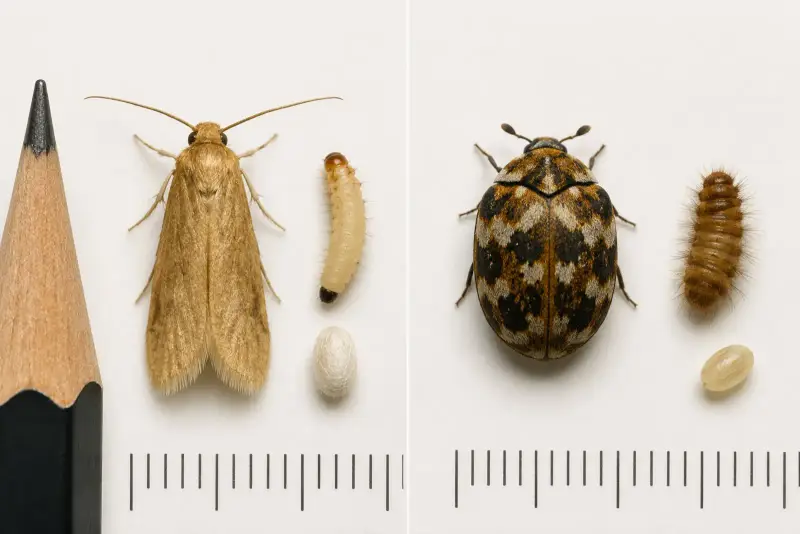
Clothes Moths vs Carpet Beetles: How to Tell the Difference
Holes in your woollens but not sure what's causing them? Here's how to tell clothes moth damage from carpet beetle damage in your London home.
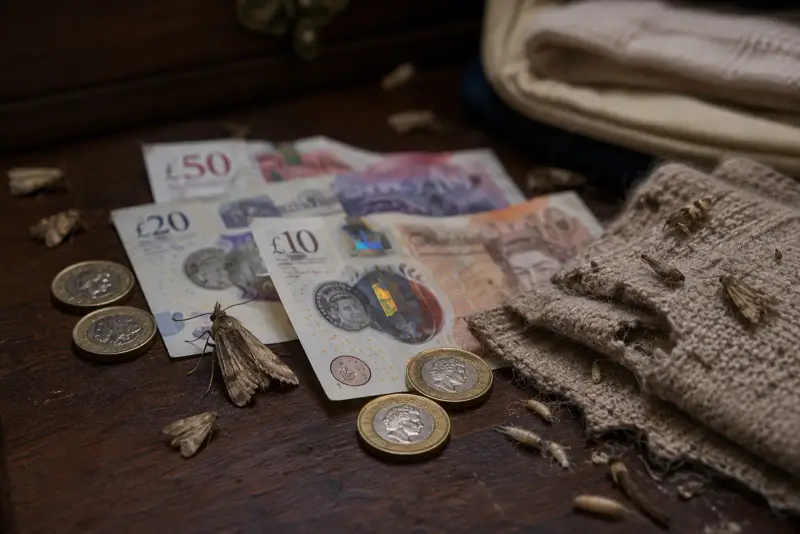
How Much Does Clothes Moth Treatment Cost in London?
What does professional moth treatment cost in London? A breakdown of pricing factors, typical ranges, and what's included in a proper treatment.
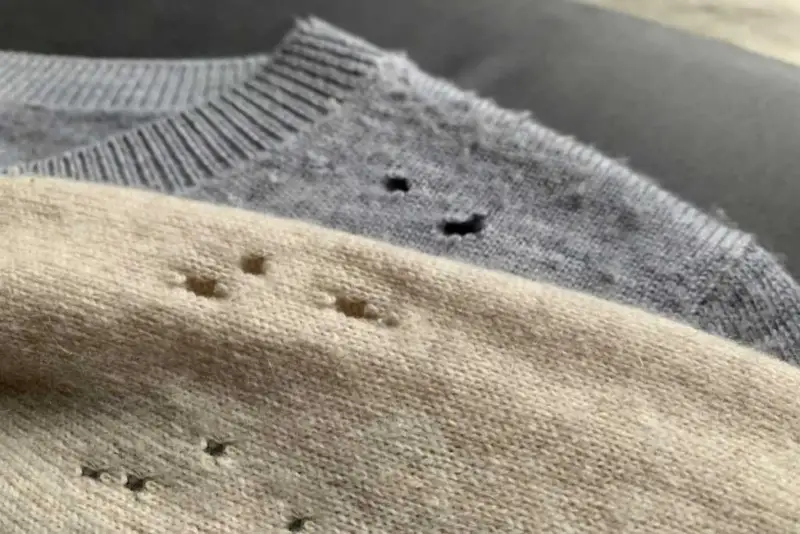
How to Tell If You Have a Clothes Moth Infestation
Holes in your jumpers or patches worn from your carpet? Here's how to identify a clothes moth infestation in your London home before it spreads.
Moth Control across Greater London
Say goodbye to unwanted pests: schedule your inspection now
A real person answers 24/7. Same-day visits available. Every treatment includes a free revisit if the pests come back within 60 days.