
Pest Control East London
- Same-day and next-day visits
- BPCA certified technicians
- Free revisit within 60 days
Get a free quote in East London
We call you back within 15 minutes, day or night. Quotes are free.
East London’s rapid mix of converted warehouses, new-build apartment blocks, and traditional terraced housing - from Shoreditch and Bow through to Stratford and Newham - creates a wide range of pest pressures, often within the same postcode. Older buildings bring structural entry points, while high-density new developments bring their own shared-wall and communal-area challenges. Tower Hamlets alone accounts for the single highest volume of rodent sightings of any London borough, making rapid response particularly important across this region.
Areas We Cover in East London
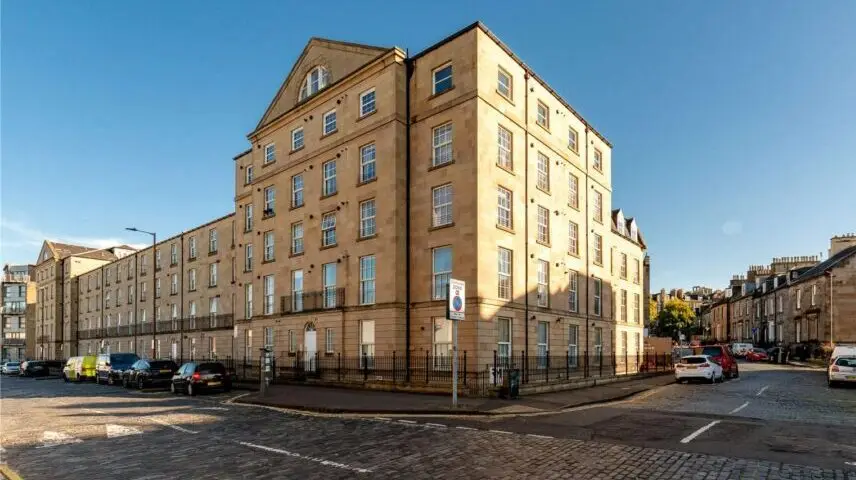
- Shoreditch & Bethnal Green: converted warehouse flats and older terraces here commonly see cockroach and mice activity linked to shared plumbing and building age.
- Bow & Mile End: dense terraced housing near canal routes brings recurring rat activity, particularly around garden boundaries and waterside paths.
- Stratford & Newham: a mix of large new-build developments and older housing stock, where bed bugs (often linked to high tenant turnover) and cockroaches in communal areas are common.
- Tower Hamlets: high-density living across converted and new-build flats means pest issues frequently involve shared walls, requiring coordinated treatment across affected units.
- Barking & Dagenham: more traditional suburban housing with gardens, where wasp nests and ant colonies are the more typical summer call-out.
- Romford & Ilford (RM1, IG1): busy town centres with markets and high-street food shops, ringed by inter-war semis with long gardens, so rats and mice in houses and cockroaches around food premises are the usual mix.
Common Pest Issues in East London Properties
Converted warehouses and older terraces (Shoreditch, Bethnal Green, Bow): ageing structures and shared plumbing routes give both mice and cockroaches easy access between units - proofing is usually as important as the initial treatment here.
New-build apartment blocks (Stratford, Newham, parts of Tower Hamlets): high tenant turnover and shared communal bin areas and corridors can allow bed bugs and cockroaches to spread between flats faster than in older, lower-density housing.
Waterside and canal-adjacent properties (Bow, Mile End): proximity to canal paths and green corridors is linked to more frequent rat activity, particularly around gardens and outbuildings.
Our Services in East London
- Ant Control
- Pharaoh Ant Control
- Bed Bug Treatment
- Cockroach Control
- Mice Control
- Rat Control
- Wasp Nest Removal
- Flea Control
- Moth Control
- Silverfish Control
- Spider Control
Book pest control in East London
Rats, mice or bed bugs in East London? See how our rat control, mice control and bed bug treatment work. Prices are the same across London, from £190 for rats or mice in a flat, and every one is on our pricing page. Get a free quote and we will call you back within 15 minutes.
Pest control services in East London
Ant Control
Garden ants, nests and kitchen trails, treated at the source.Bed Bug Treatment
Heat and chemical treatment, priced by the room.Cockroach Control
German and oriental cockroaches in flats, homes and food premises.Flea Control
The whole property treated, not just the pets.Mice Control
Mouse treatment plus proofing so they stay out.Rat Control
Source investigation, bait stations and proofing.Wasp Nest Removal
Same-day wasp nest treatment across London.Moth Control
Clothes and carpet moths, wool and clothing protected.Silverfish Control
Treatment plus advice on the damp that draws them in.Spider Control
False widow specialists for homes and gardens.Pharaoh Ant Control
Specialist multi-visit baiting. Spraying makes them spread.Squirrel Control
Grey squirrels trapped out of lofts, entry points found.Carpet Beetle Treatment
The real cause of many holes blamed on moths.Commercial Pest Control
Monthly plans for restaurants, shops and offices. Cancel any time.HMO and Hostel Bed Bugs
Room-by-room bed bug plans for landlords and hostels.Frequently asked questions
Do you offer same-day pest control in East London?
Yes, we offer same-day and next-day appointments across East London, including priority wasp nest treatment during peak season.
Which East London areas do you cover?
We cover Shoreditch, Bethnal Green, Bow, Mile End, Stratford, Newham, Tower Hamlets, Barking, and Dagenham, along with the surrounding East London area.
Why do bed bugs seem to spread quickly in new-build flats?
High tenant turnover and shared communal spaces - corridors, lifts, bin areas - common in East London's newer apartment developments give bed bugs more opportunities to move between units than in lower-density housing, which is why early reporting and treatment matter even more in this type of building.
Why does Tower Hamlets have such high rodent activity?
Tower Hamlets combines dense converted housing, extensive canal and waterway frontage, and high-turnover rental accommodation, which together create some of London's highest recorded rodent sighting numbers.
Are new-build developments really at risk of pest problems?
Yes - high tenant turnover and shared communal areas (corridors, bin stores, lifts) in developments across Stratford and Newham can allow pests like bed bugs and cockroaches to spread between units faster than in lower-density older housing.
Do canal-side properties need different treatment?
Often, yes - gardens and outbuildings near canal paths in Bow and Mile End see more rat activity, so outdoor bait stations and boundary inspection are typically part of treatment here.
Other London areas we cover
Say goodbye to unwanted pests: schedule your inspection now
A real person answers 24/7. Same-day visits available. Every treatment includes a free revisit if the pests come back within 60 days.