
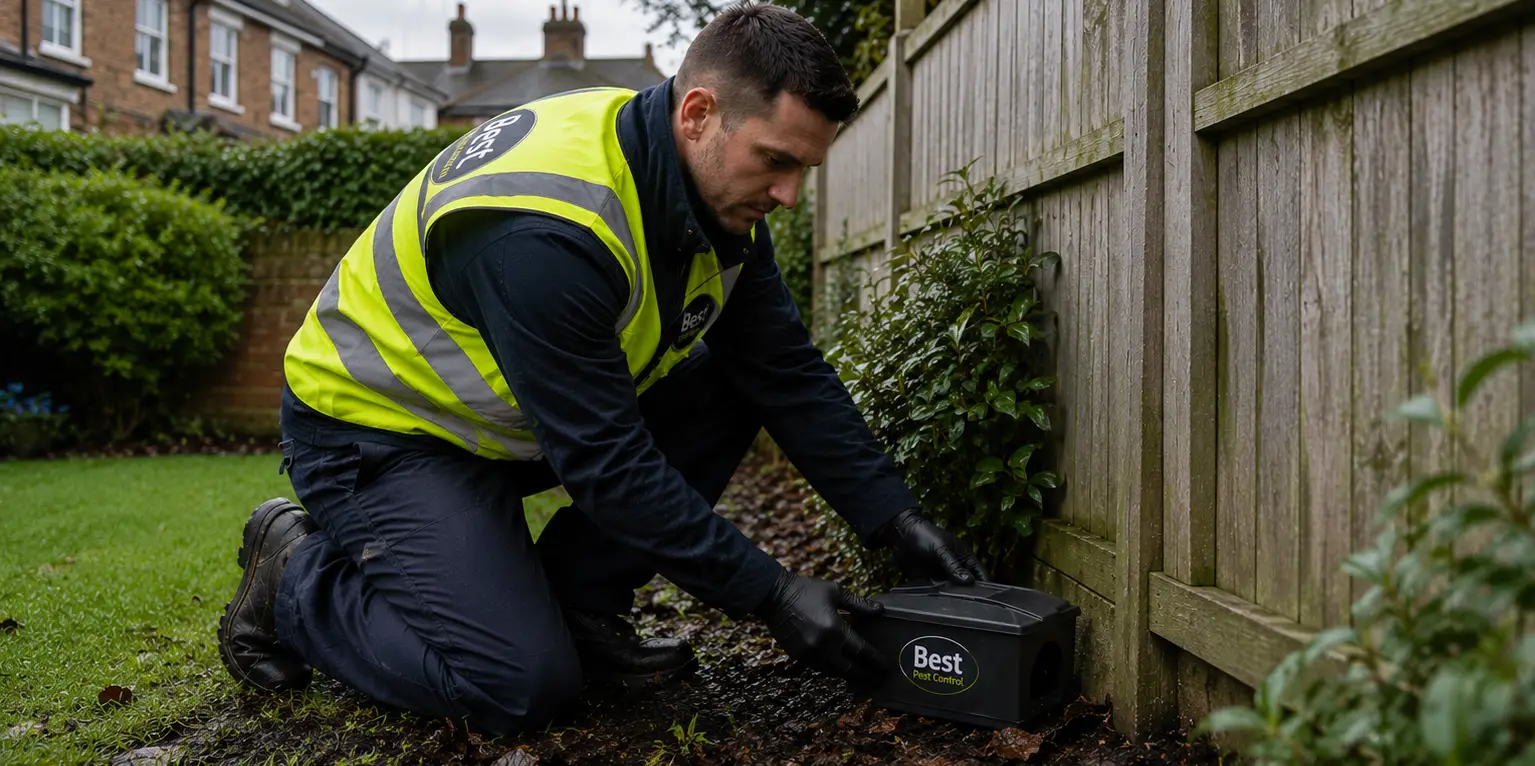
Rat Control London
- Same-day and next-day visits
- BPCA certified technicians
- Free revisit within 60 days
Get a free rat control quote
We call you back within 15 minutes, day or night. Quotes are free.
Rats are a genuinely common problem across London
The city’s extensive sewer network, combined with dense housing, gives rats easy routes into homes and gardens through drains, loose brickwork, and damaged floorboards. Because rats reproduce quickly and can carry disease, a rat problem is one pest issue we’d always recommend acting on immediately rather than waiting to see if it resolves on its own.
Signs of a rat infestation
- Droppings - larger than mouse droppings (roughly the size of a grain of rice, but noticeably bigger, dark brown to black, and tapered at the ends)
- Gnaw marks on wood, plastic, or cabling - rats’ teeth grow continuously, so they gnaw constantly to keep them worn down
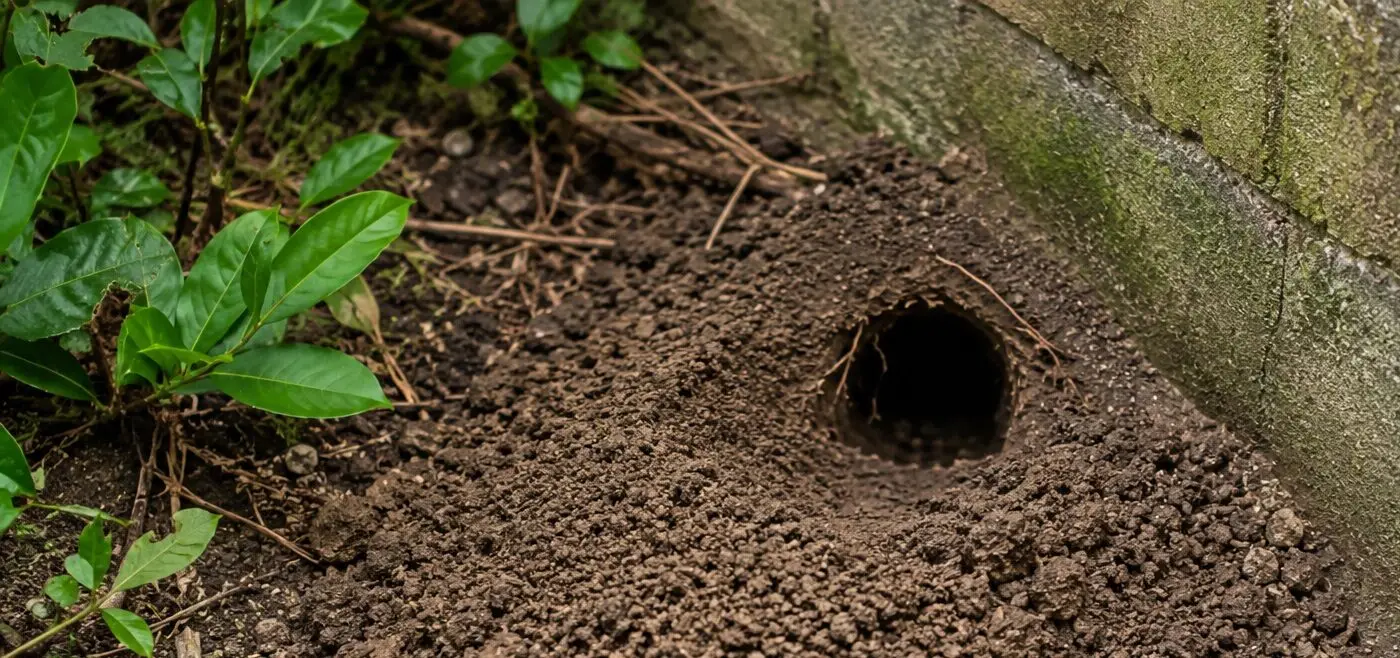
- Burrows in gardens, near decking, sheds, or compost areas
- Greasy rub marks along skirting boards or beams, from rats repeatedly using the same route
- Scratching or movement sounds, particularly at night, in walls, under floors, or in lofts
- An unpleasant, ammonia-like smell in enclosed spaces where rats are nesting
Why rats need a different approach to mice
Rats are more cautious than mice, often take longer to accept new bait (a behaviour called neophobia), and typically require sturdier, outdoor-rated bait stations and a longer structured treatment period. Source investigation also matters more with rats - identifying whether they’re coming from a drain, a neighbouring garden, or a specific structural gap changes the whole treatment plan, which is why rat control is rarely a single-visit job.
Our Rat Control Process
- Inspection and source investigation - identifying entry points, likely nesting areas, and the probable source of the infestation (drains, garden, adjoining property, structural damage).
- Treatment - professional-grade rodenticide placed in tamper-resistant, weatherproof bait stations in confirmed activity areas, both indoors and outdoors where needed.
- Structured multi-visit programme - rats typically require several visits over a period of weeks to fully resolve, since bait uptake is slower than with mice.
- Proofing recommendations - identifying and, where instructed, sealing entry points to prevent repeat access once activity has stopped.
What does rat control cost in London?
Rat control is £190 for a flat and £240 for a house. It is a programme of several visits rather than a single call-out, because rats are slow to take new bait. Proofing small entry holes is £180 for up to an hour.
Bigger proofing jobs, large gardens with active burrows, or rats coming up from the drains are quoted after the inspection. If the rats come back within 60 days and the proofing we recommended was done, we return free.
Common in These London Areas
Rat activity is a frequent call-out across North East London (waterside and canal-adjacent gardens), East London (canal paths), and South East London (outer suburb gardens). Check your area page for local detail, or contact us directly.
Rat Control prices
| What | Price |
|---|---|
| Flat | £190 |
| House | £240 |
| Proofing small entry holes | £180, up to 1 hour |
| Bigger proofing jobs | After a free quote |
| Survey visit, if needed | £99, taken off the price if you book |
Quotes by phone, WhatsApp or our quote form are free. No extra charge for evenings, weekends or bank holidays, and you pay after the treatment. Every price is on our pricing page.
What happens on the visit
- We walk the outside first: drains, air bricks, decking, sheds and the garden boundary, because that is where most London rats get in.
- Inside, we check kitchens, under-stairs cupboards, lofts and any boxed-in pipework for droppings, gnawing and rub marks.
- Lockable, weatherproof bait stations go in the confirmed activity areas only, out of reach of children and pets.
- We come back to check the stations, top them up and remove them once activity stops.
- You get a written note of the entry points we found and what proofing would close them.
How to get ready
- Move stored food into sealed tubs or the fridge.
- Clear the area under the sink and around the boiler so we can see the pipework.
- Don't put down shop-bought poison before we arrive. It makes rats wary of our bait.
- Keep bins closed and pick up fallen fruit or bird food in the garden.
When to call straight away
Call the same day if you see a rat indoors, hear gnawing near wiring, or find droppings in a kitchen or food business. Phones are answered 24/7, and our emergency pest control team can usually be with you the same day.
Rats can spread Weil's disease (leptospirosis) through their urine. See the NHS guidance on leptospirosis.
If they come back
Every treatment includes a free revisit if the same pest comes back to the same property within 60 days, as long as you followed our prep instructions. How the 60-day guarantee works.
Read before you book
Other pests we treat across London
Ant Control
Garden ants, nests and kitchen trails, treated at the source.Bed Bug Treatment
Heat and chemical treatment, priced by the room.Cockroach Control
German and oriental cockroaches in flats, homes and food premises.Flea Control
The whole property treated, not just the pets.Mice Control
Mouse treatment plus proofing so they stay out.Wasp Nest Removal
Same-day wasp nest treatment across London.Moth Control
Clothes and carpet moths, wool and clothing protected.Silverfish Control
Treatment plus advice on the damp that draws them in.Spider Control
False widow specialists for homes and gardens.Pharaoh Ant Control
Specialist multi-visit baiting. Spraying makes them spread.Squirrel Control
Grey squirrels trapped out of lofts, entry points found.Carpet Beetle Treatment
The real cause of many holes blamed on moths.Commercial Pest Control
Monthly plans for restaurants, shops and offices. Cancel any time.HMO and Hostel Bed Bugs
Room-by-room bed bug plans for landlords and hostels.Frequently asked questions
How quickly should I act on a rat sighting?
Immediately - rats breed fast (a single pair can produce a large number of offspring within a few months), and delaying treatment usually means a bigger, more expensive problem later, along with greater risk of structural or electrical damage.
How long does rat treatment take?
Most programmes involve multiple visits over several weeks, since rats are naturally cautious around new bait and it typically takes longer for uptake than with mice.
Are rats dangerous to my health?
Yes - rats can carry and transmit diseases including Weil's disease (leptospirosis) via urine-contaminated water and surfaces, alongside salmonella and other bacteria. Droppings and nesting material should never be handled without protective equipment.
Can I use DIY traps or bait instead of a professional?
For a single sighting, DIY traps can sometimes help, but an established infestation with multiple rats, burrows, or unclear entry points is genuinely difficult to resolve without professional-grade bait stations and a structured, monitored approach - DIY attempts often under-treat the problem and let it re-establish.
Why do rats keep coming back even after treatment?
Usually because the entry point or outdoor source (a drain, a neighbouring garden, a burrow) hasn't been fully identified and sealed - this is why source investigation is such a core part of proper rat control, not just bait placement.
Do I need a drain survey?
If rat activity seems linked to drains rather than a garden or structural gap, a drain survey can identify damage allowing rats access from the sewer network - this is sometimes recommended as an additional step for persistent cases.
Are rats more common in gardens or indoors?
Both, but activity often starts in gardens (burrows, sheds, compost) before moving indoors through structural gaps - treating outdoor activity early can prevent it from becoming an indoor infestation.
What should I do if I find a dead rat?
Avoid direct contact - use gloves or a bag to remove it, or ask your technician to handle it during a scheduled visit, since rats can carry disease even after death.
Rats guides from our blog
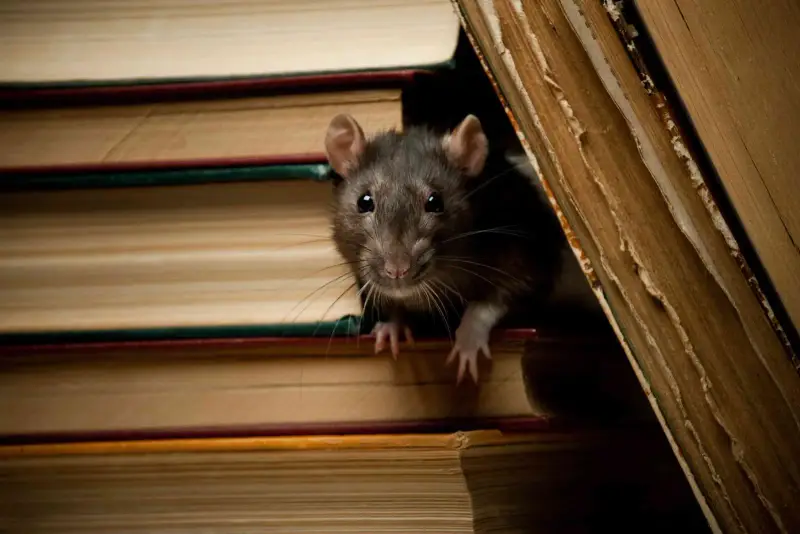
Rats in Rented Flats: Landlord and Tenant Responsibilities in London
Who pays for rat control in a rented London property - landlord or tenant? A clear guide to how responsibility usually works, and what to do first.
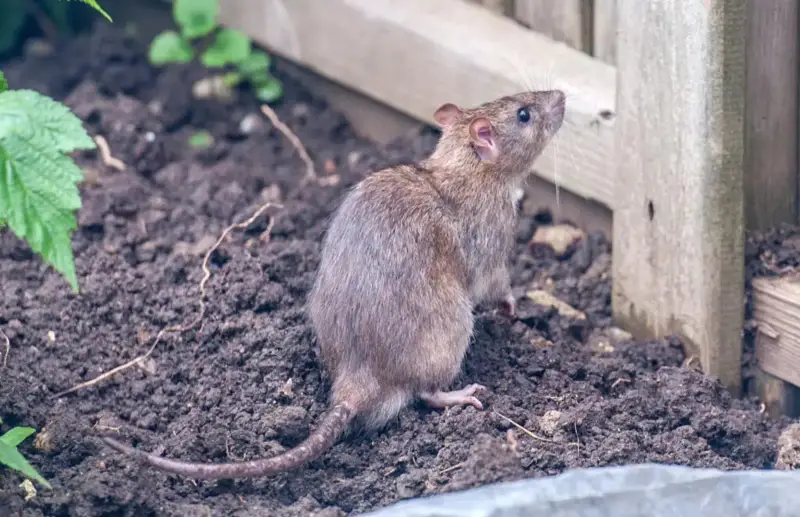
Rats in the Garden vs Indoors: What's Actually Different
Rat activity outdoors and indoors need different responses. Here's how to tell where your rat problem actually starts, and what to do about it.

How Much Does Rat Control Cost in London? 2026 Price Guide
Real 2026 London pricing for rat control - what affects the cost, how many visits to expect, and why rats cost more to treat than mice.
Rat Control across Greater London
Say goodbye to unwanted pests: schedule your inspection now
A real person answers 24/7. Same-day visits available. Every treatment includes a free revisit if the pests come back within 60 days.