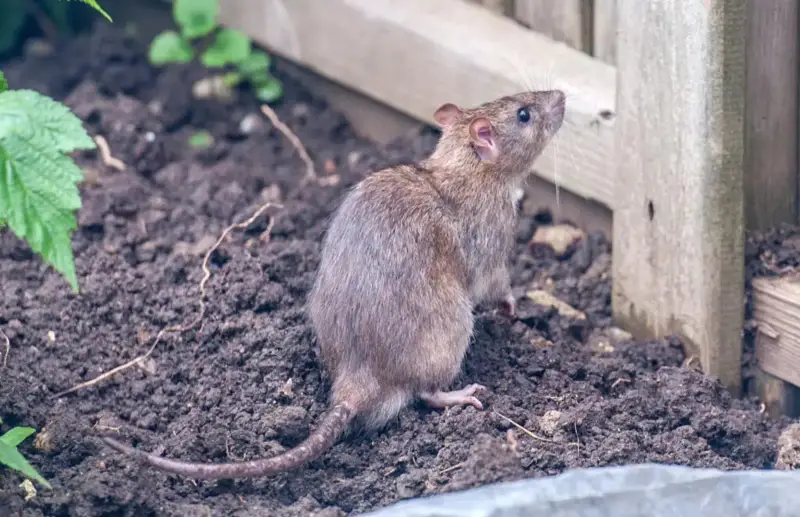
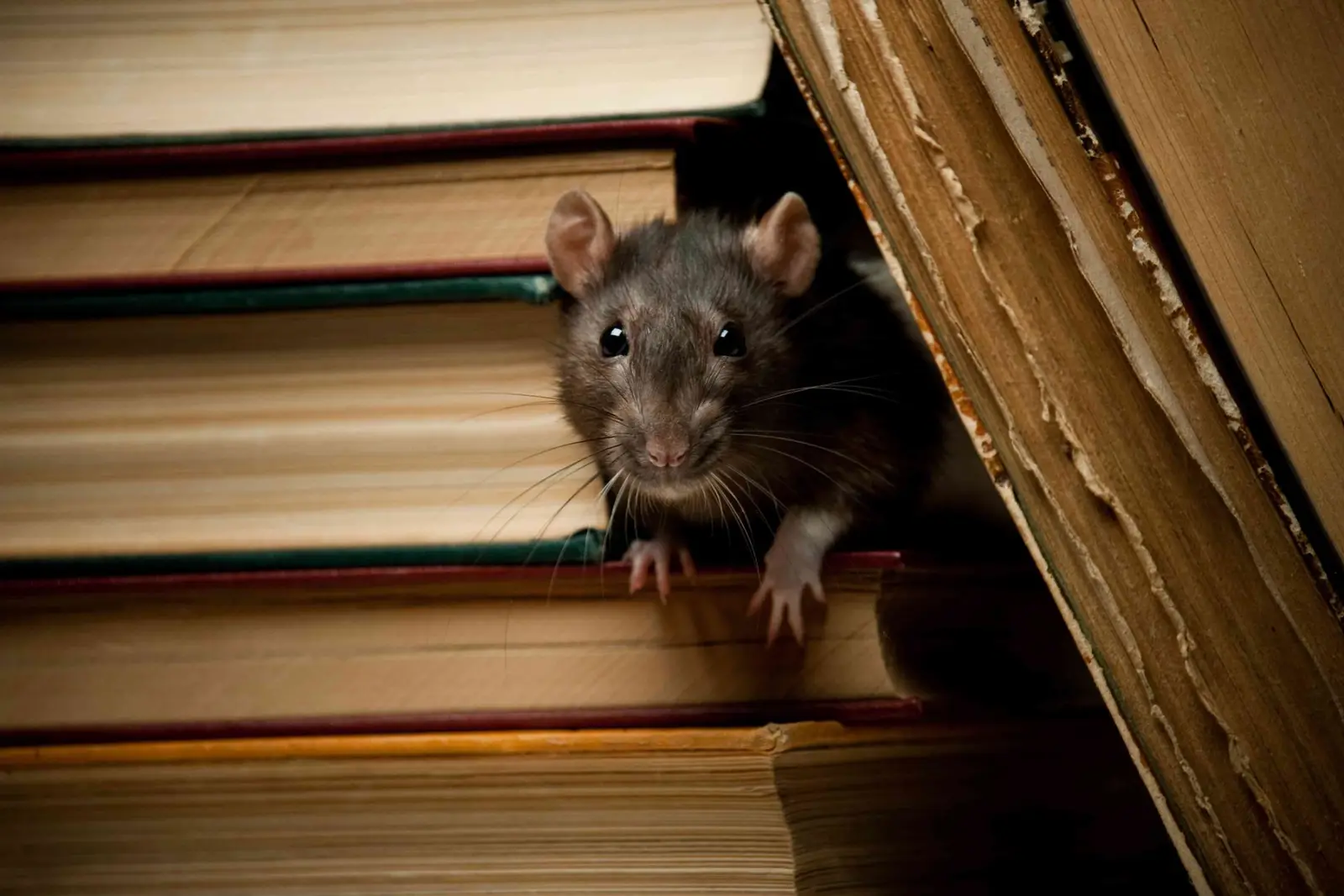
Unlike bed bugs, rat infestations usually have a clearer structural cause - which makes the landlord/tenant responsibility question more straightforward in most cases, though not always.
The General Rule
Landlords are typically responsible for rat infestations linked to the property’s condition: a damaged air brick, a gap around pipework, deteriorated brickwork, or a structural issue giving rats access. This is because landlords have a legal duty to keep a rented property fit to live in, which extends to preventing the kind of structural gaps rats exploit.
Situations where a landlord is typically responsible:
- Rats are entering through a structural gap, damaged brickwork, or damaged drainage
- The infestation is linked to a shared building issue affecting multiple flats
- The property had known rat activity before the tenancy began
Situations where a tenant may share responsibility:
- Food waste, uncovered bins, or pet food left out is actively attracting rats
- The tenancy agreement specifically assigns garden or outdoor area maintenance to the tenant, and neglect of that area has contributed to the problem
What To Do First
- Report it in writing to your landlord or letting agent as soon as you notice signs - droppings, gnaw marks, burrows, or noises
- Take photos of any visible signs, particularly anything suggesting a structural cause (a gap, damaged brickwork, a hole near pipework)
- Don’t delay: rats breed quickly, and a small, easily-treated issue can become significantly larger and more expensive within weeks
If Structural Cause Is Involved
If rats are getting in through damaged brickwork, a broken air brick, or similar structural issues, this is squarely a landlord repair responsibility under general UK housing law, not just a pest control cost - the underlying repair typically needs addressing alongside treatment, or the problem will simply recur once the current rats are cleared.
If There’s a Dispute
Shelter England’s guidance on pests and vermin in rented homes is a genuinely useful independent resource if you and your landlord disagree about responsibility, particularly for understanding your position as a tenant.
Why Speed Matters Regardless of Who Pays
Rats breed quickly, and an untreated infestation can escalate from “one sighting” to an established colony within weeks. Whatever the responsibility question, getting a professional inspection booked promptly limits both the scale of the problem and, often, the eventual cost - regardless of how the payment question is resolved.
Need it dealt with?
See how our rat control in London works, check every price in full, or get a free quote and we will call you back within 15 minutes, day or night. If the pests come back within 60 days, we return free.
Need rats treated?
See how our rat control in London works, what it costs and what is included.