
Ant Control London
- Same-day and next-day visits
- BPCA certified technicians
- Free revisit within 60 days
Get a free ant control quote
We call you back within 15 minutes, day or night. Quotes are free.
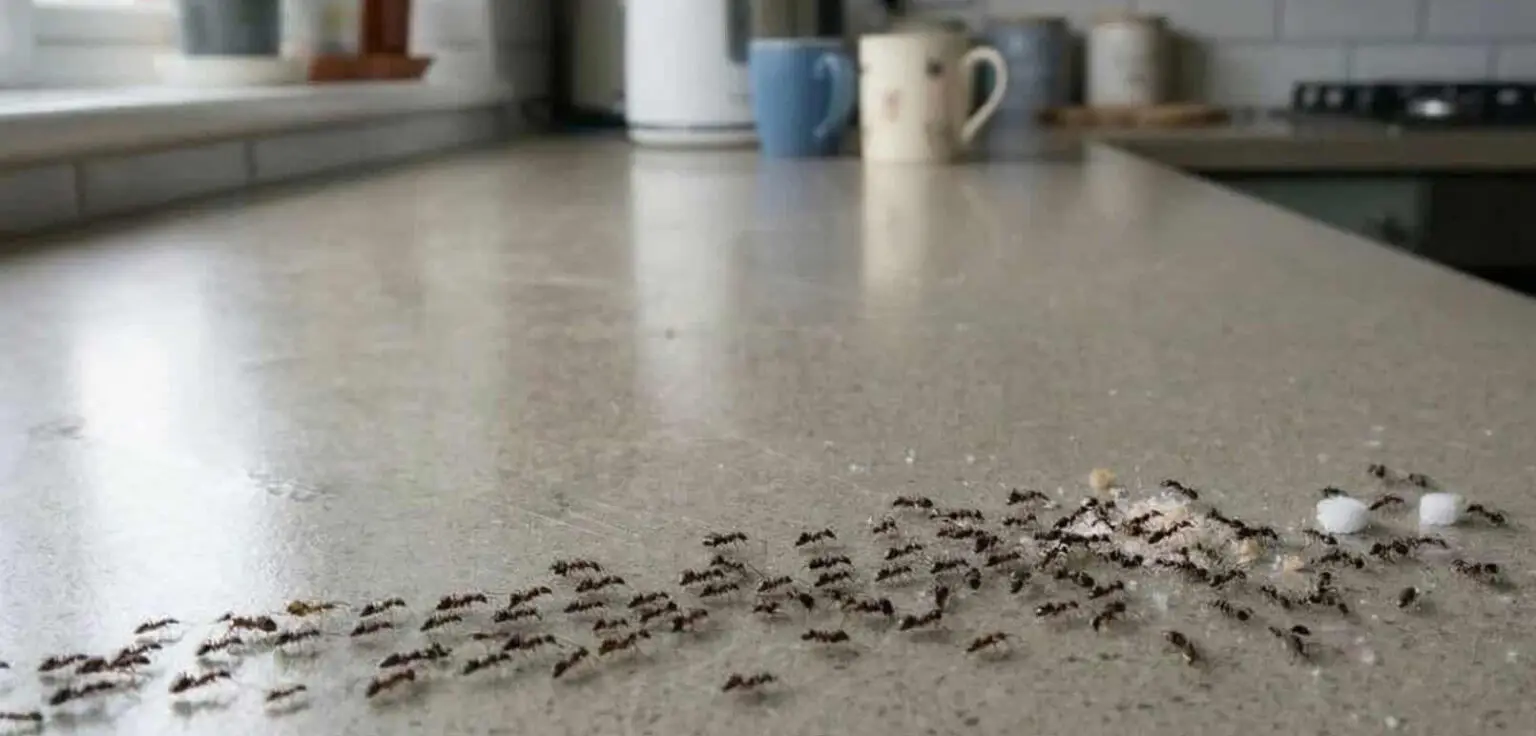
If you’ve spotted a trail of ants marching across your kitchen worktop, you’re not alone. Ants are one of the most common pest complaints in London homes, especially between March and October, when warmer weather brings colonies out foraging for food.
The good news: ants are one of the more straightforward pests to deal with, as long as you treat the nest itself, not just the ants you can see. Spraying the trail on your worktop kills the workers in front of you. But it leaves the colony - and the queen - untouched. That’s why DIY sprays so often seem to “come back” within a week or two.
Signs you have an ant problem
- A visible trail of ants, usually following the same route to a food or water source
- Small piles of soil or sawdust-like debris near skirting boards, patios, or garden paving (a sign of nest activity)
- Ants appearing suddenly indoors after rain (garden colonies often move inside when their nest floods)
- Winged ants indoors - this can indicate a mature colony preparing to swarm and establish a new nest
Why ants are so common in London properties
London’s mix of Victorian terraces, converted flats, and gardens backing onto shared walls gives ants easy routes indoors - through worn mortar, gaps around pipework, and cavity walls. Ants are also drawn to the warmth of centrally heated homes during cooler months, and to any kitchen with accessible food, pet bowls, or bins.
Our Ant Control Process
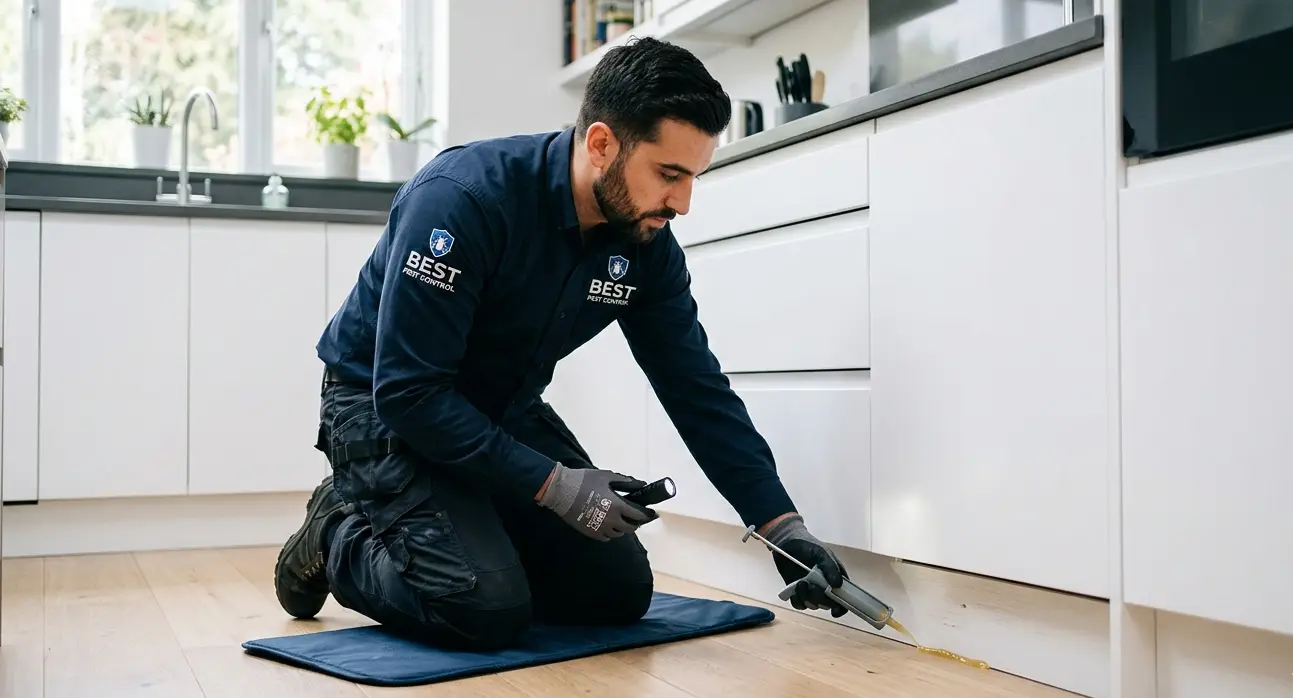
- Inspection - we identify the ant species (garden black ants and, less commonly, pharaoh ants which require a different approach), locate the nest or likely nest area, and check entry points.
- Targeted treatment - gel baiting and non-repellent insecticide are used so worker ants carry the treatment back to the nest and colony, rather than simply killing the ants you can see. This is the single biggest reason professional treatment outperforms shop-bought spray.
- Crack and crevice sealing - closing off the entry points ants are using reduces the chance of a repeat problem.
- Follow-up - a check-up visit within the guarantee period if activity continues.
What does ant control cost in London?
Ant treatment is £190 for a flat and £220 for a house. That covers the inspection, finding the nest and the treatment itself, and if the ants come back within 60 days we return free. Pharaoh ants are a different job.
They turn up more in flats, food premises and buildings with shared heating, and they need a two-visit baiting programme, which is £260 for a flat and £290 for a house. You always get the exact price before any work starts, with no hidden charges.
Common in These London Areas
Ant activity is a frequent call-out across North West London (older brickwork and gardens), South East London (larger gardens in the outer suburbs), and Central London (period mansion blocks). Check your area page for local detail, or contact us directly.
Ant Control prices
| What | Price |
|---|---|
| Flat | £190 |
| House | £220 |
| Pharaoh ants | £260 flat, £290 house, 2 visits |
| Survey visit, if needed | £99, taken off the price if you book |
Quotes by phone, WhatsApp or our quote form are free. No extra charge for evenings, weekends or bank holidays, and you pay after the treatment. Every price is on our pricing page.
What happens on the visit
- We identify the ant first. Garden ants and pharaoh ants look alike but need opposite treatments.
- We follow the trail back to the nest, in the garden, under paving or inside a wall.
- Gel bait goes where the workers will take it back to the queen, rather than spraying the ants you can see.
- We show you the gaps they are using so you can seal them.
How to get ready
- Don't spray the trail before we arrive. We need it to find the nest.
- Wipe up sweet spills and keep sugar, honey and fruit sealed.
- Leave the trail and any entry point you have spotted visible.
When to call straight away
Call quickly if you see small, pale yellow ants in a warm flat or a kitchen. Those are often pharaoh ants, and spraying them makes the colony split. Phones are answered 24/7, and our emergency pest control team can usually be with you the same day.
If they come back
Every treatment includes a free revisit if the same pest comes back to the same property within 60 days, as long as you followed our prep instructions. How the 60-day guarantee works.
Read before you book
Other pests we treat across London
Bed Bug Treatment
Heat and chemical treatment, priced by the room.Cockroach Control
German and oriental cockroaches in flats, homes and food premises.Flea Control
The whole property treated, not just the pets.Mice Control
Mouse treatment plus proofing so they stay out.Rat Control
Source investigation, bait stations and proofing.Wasp Nest Removal
Same-day wasp nest treatment across London.Moth Control
Clothes and carpet moths, wool and clothing protected.Silverfish Control
Treatment plus advice on the damp that draws them in.Spider Control
False widow specialists for homes and gardens.Pharaoh Ant Control
Specialist multi-visit baiting. Spraying makes them spread.Squirrel Control
Grey squirrels trapped out of lofts, entry points found.Carpet Beetle Treatment
The real cause of many holes blamed on moths.Commercial Pest Control
Monthly plans for restaurants, shops and offices. Cancel any time.HMO and Hostel Bed Bugs
Room-by-room bed bug plans for landlords and hostels.Frequently asked questions
How long does it take to get rid of ants?
With gel baiting, most garden ant infestations are substantially resolved within 1-2 weeks, as the bait works its way through the colony. Visible activity usually drops off noticeably within the first few days.
Will spraying the ants I can see fix the problem?
No - this is the most common mistake. Surface sprays kill the ants in front of you but the nest and queen are untouched, so the colony recovers. Targeted baiting is far more effective long-term.
What's the difference between garden ants and pharaoh ants
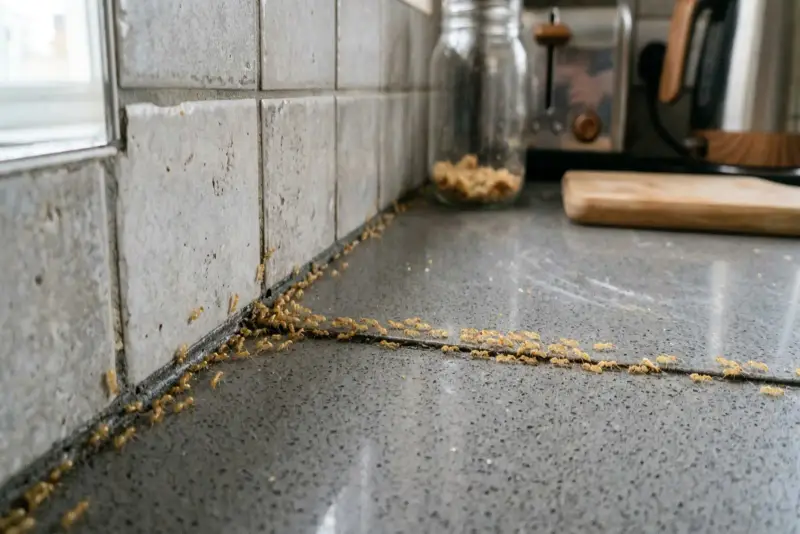
Garden ants are black, seasonal, and nest outdoors or in wall cavities, dying back in cold weather. Pharaoh ants are much smaller, pale yellow-brown, active indoors year-round, and need a completely different, multi-visit baiting approach - see our Pharaoh Ant Control page if activity persists through winter.
Can I treat ants myself?
For a small, easily identified trail, shop-bought gel bait can help, but if ants keep returning or you can't find the nest, professional treatment (which targets the colony, not just visible ants) will resolve it faster and for good.
Are ants dangerous?
Common garden ants aren't a health risk, but they do contaminate food surfaces. Pharaoh ants are a different matter - they're known to spread bacteria linked to food poisoning in food premises and require professional treatment, not DIY methods.
Do I need to throw away food after an ant infestation?
Not usually - sealing food in airtight containers and wiping down surfaces where ants have been trailing is normally enough. Discard only items ants have directly accessed and contaminated.
Will ants damage my property?
Common garden ants don't damage structures. However, large or persistent colonies nesting in cavity walls or under paving can occasionally undermine soil and paving over time, which is another reason to treat an established nest rather than leave it.
How do you keep pets safe during ant treatment?
We use professional, approved products and choose low-toxicity options where we can. Before and after every visit we give you clear safety instructions for children and pets, plus a written service report.
Ants guides from our blog
Pharaoh Ants: Why Spraying Them Yourself Can Make Things Worse
Tiny yellow ants that won't go away? Spraying pharaoh ants can split the colony and spread the infestation. Here's how to identify them and what actually works.
How to Get Rid of Ant Bites Overnight Everything You Need to Know
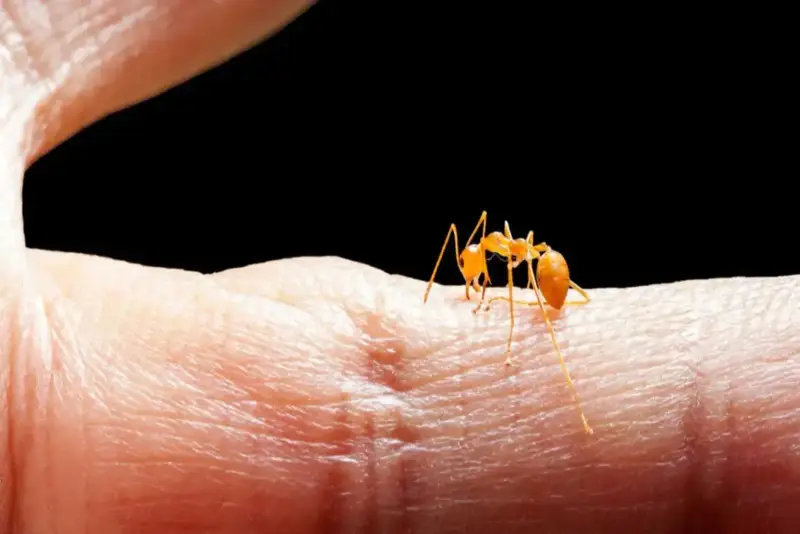
How to Get Rid of Ant Bites Overnight Everything You Need to Know Waking up with a cluster of itchy, red ant bites is a miserable experience. Whether you stepped on a hidden nest in the garden or encountered aggressive ants while relaxing outdoors, your immediate priority is clear: make the itching stop and clear […]
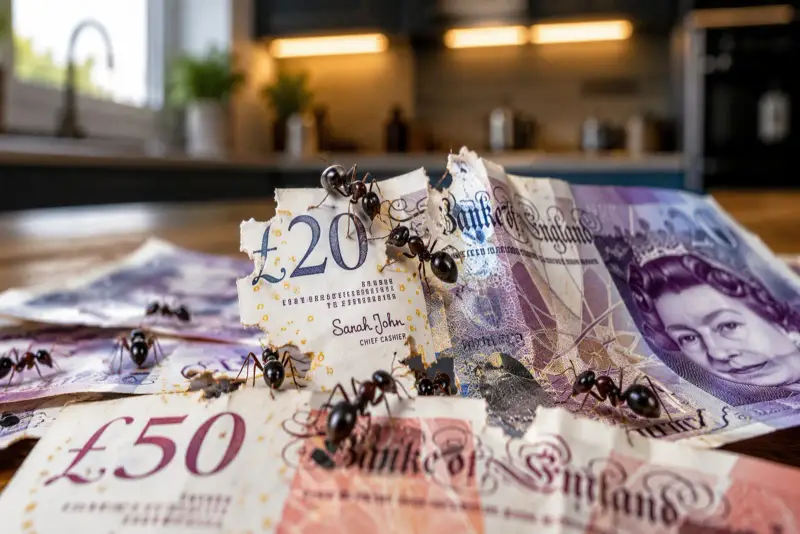
How Much Does Ant Control Cost in London? 2026 Price Guide
Real 2026 London pricing for ant control - garden ants and pharaoh ants. See what affects cost and what's included in professional treatment.
Ant Control across Greater London
Say goodbye to unwanted pests: schedule your inspection now
A real person answers 24/7. Same-day visits available. Every treatment includes a free revisit if the pests come back within 60 days.