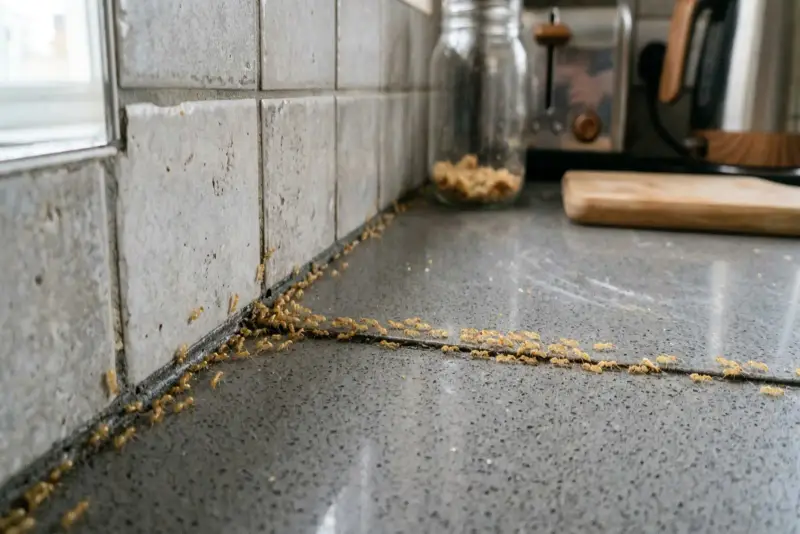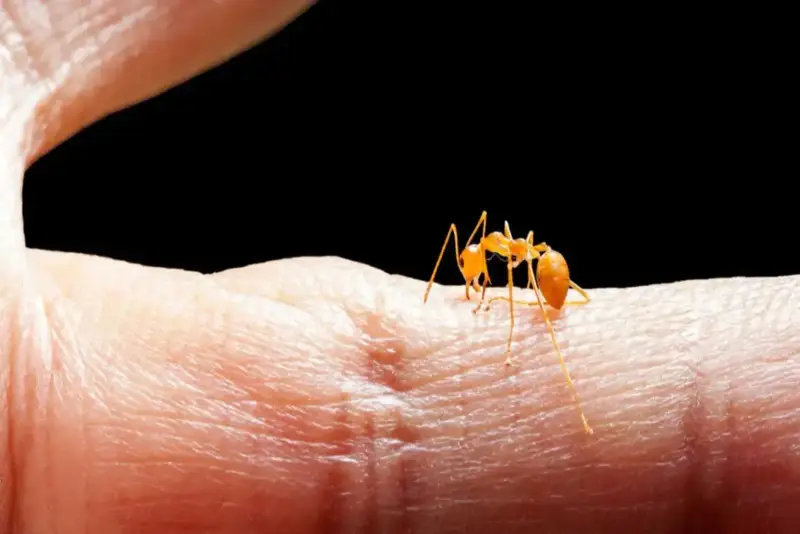

Most summers, there’s a day - sometimes it feels like an hour - when London is suddenly full of flying ants. Pavements, gardens, even indoors. It looks alarming, but it’s a completely natural, predictable event with a name: Flying Ants Day.
What’s Actually Going On
Once a year, mature ant colonies release their winged reproductive ants - new queens and males - all at once, timed around warm, humid, low-wind conditions, typically in July. This synchronised release, sometimes called “nuptial flight,” is how ant colonies mate and establish new colonies. Because most colonies across a wide area respond to similar weather triggers, it can look like the whole city’s ants have decided to fly on the same afternoon.
Why It Happens All at Once
Flying together in huge numbers is actually a survival strategy - it overwhelms predators like birds, so more of the young queens survive to found new colonies than if they flew individually on different days. It’s not a sign of an especially bad ant year, and it’s not something a pest control treatment could have prevented - it’s a natural, seasonal event affecting garden ant colonies broadly, not just yours.
Does This Mean I Have an Infestation?
Not necessarily. Seeing flying ants in your garden or briefly indoors on Flying Ants Day doesn’t automatically mean you have a nest inside your property - it’s often just ants from a nearby outdoor colony passing through. It’s worth paying attention to whether:
- The flying ants are coming from a specific spot inside your home (a genuine sign of an indoor nest)
- Regular (non-flying) ant trails continue for days afterward, rather than the activity settling down within a day or so
What to Do If It’s More Than Just the Swarm
If flying ants keep appearing from the same indoor spot over several days, or you notice ongoing ground-level ant trails afterward, it’s worth booking an inspection rather than assuming it’s just seasonal. See our Ant Control page, or if activity is happening outside the usual warm-season window, check whether it might be pharaoh ants instead.
Need it dealt with?
See how our ant control in London works, check every price in full, or get a free quote and we will call you back within 15 minutes, day or night. If the pests come back within 60 days, we return free.
Need ants treated?
See how our ant control in London works, what it costs and what is included.