
Spider Control London
- Same-day and next-day visits
- BPCA certified technicians
- Free revisit within 60 days
Get a free spider control quote
We call you back within 15 minutes, day or night. Quotes are free.
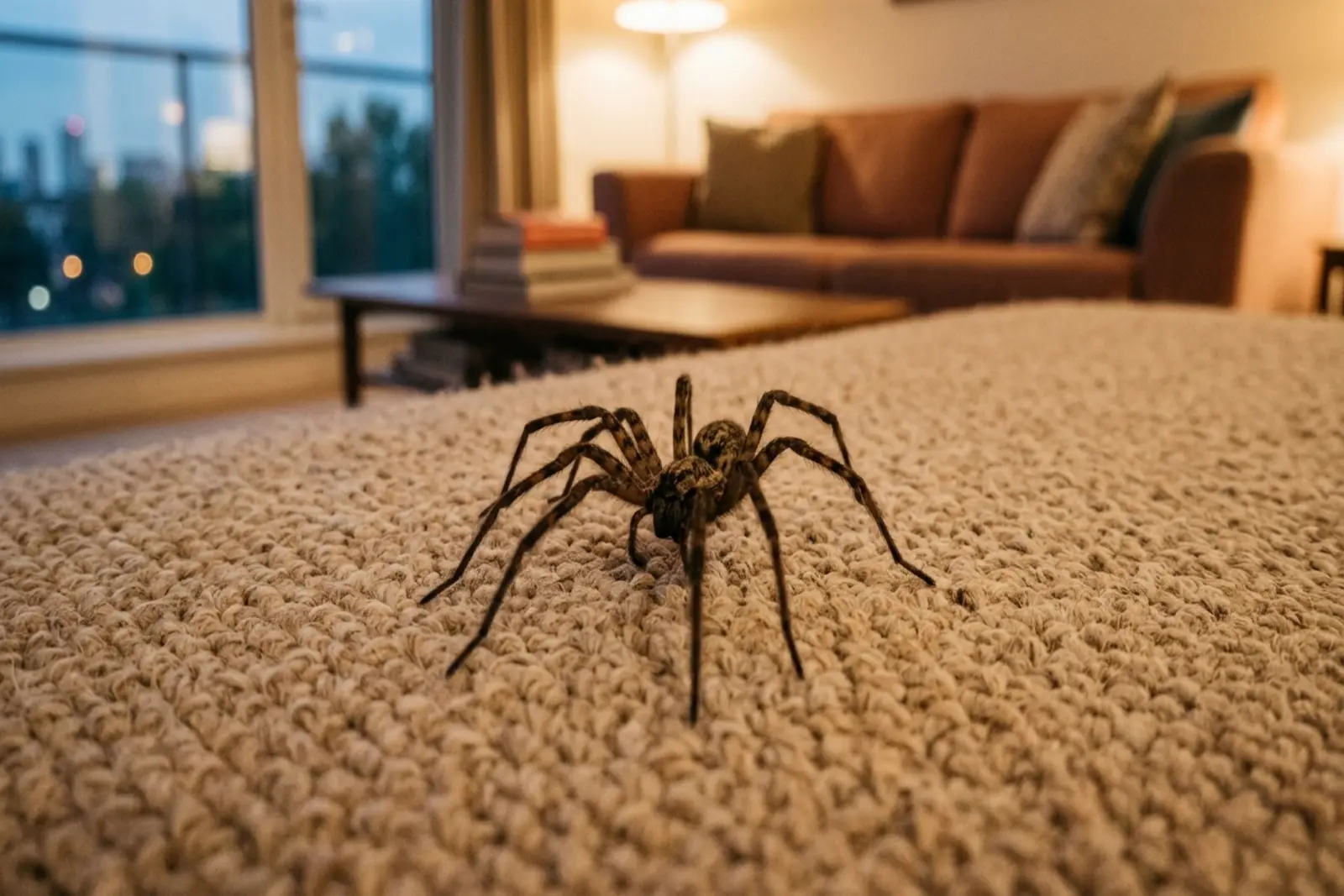
Most spiders found in London homes are harmless and, in small numbers, are actually helpful - they feed on other insects. But a noticeable increase in spider activity, an infestation in a specific area of the property, or the presence of false widow spiders (increasingly common across London in recent years) is a reasonable reason to call in professional treatment rather than just living with it.
Signs of a spider problem worth treating
- A sudden, noticeable increase in spider sightings, particularly indoors during autumn (natural mating season) or in a specific room or area
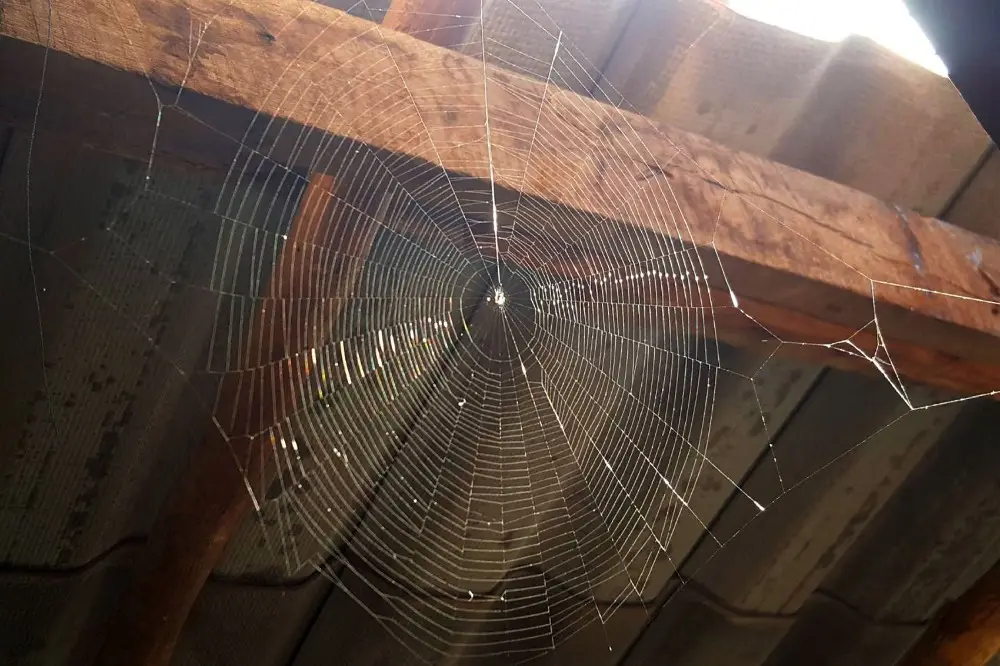
- Dense cobwebs building up faster than they can reasonably be cleaned, especially in lofts, garages, or sheds
- Sightings of false widow spiders - dark, bulbous-bodied spiders with cream markings, which can deliver a painful bite (though rarely medically serious for most people)
- Spider activity concentrated around a specific entry point, suggesting an established nest or breeding area nearby
Why professional treatment beats DIY spider sprays
Shop-bought spider sprays typically only address individual spiders on contact and don’t affect the insects spiders feed on, meaning new spiders are quickly drawn back to the same area. Professional treatment targets both the spiders present and, where relevant, the insect population attracting them, alongside sealing likely entry points.
Our Spider Control Process
- Inspection: identifying spider species present (including confirming or ruling out false widows), affected areas, and likely entry points.
- Treatment: targeted residual insecticide application in webs, corners, and entry points, along with removal of existing webs and egg sacs where accessible.
- Entry point advice: practical guidance on sealing gaps around windows, doors, and vents that spiders are using to get indoors.
- Follow-up, if needed, particularly for false widow infestations or larger properties with multiple affected areas.
What does spider control cost in London?
Spider treatment is £180 for the first room and £60 for each extra room. False widows sometimes need more thorough treatment around window frames, sheds and outbuildings, and we confirm that on your quote before we start. If they come back within 60 days, we return free.
Common in These London Areas
Spider call-outs, including false widow sightings, are common across East London and South East London, particularly in gardens, sheds, and garages. Check your area page for local detail, or contact us directly.
Spider Control prices
| What | Price |
|---|---|
| First room | £180 |
| Each extra room | £60 |
| Survey visit, if needed | £99, taken off the price if you book |
Quotes by phone, WhatsApp or our quote form are free. No extra charge for evenings, weekends or bank holidays, and you pay after the treatment. Every price is on our pricing page.
What happens on the visit
- We identify the spider. Most house spiders are harmless and just need keeping out.
- For false widows, we treat window frames, sheds, outbuildings, garden furniture and the outside of the house where their webs are.
- We show you the gaps they use to get in, so you can seal them.
How to get ready
- Don't vacuum up webs in the corners before we come. They show us where the spiders live.
- Clear stored boxes away from the walls in garages and sheds.
- Open up window frames and the areas around outdoor lights.
When to call straight away
Call if you have false widows near children's bedrooms, play areas or a door you use every day. Phones are answered 24/7, and our emergency pest control team can usually be with you the same day.
If they come back
Every treatment includes a free revisit if the same pest comes back to the same property within 60 days, as long as you followed our prep instructions. How the 60-day guarantee works.
Read before you book
Other pests we treat across London
Ant Control
Garden ants, nests and kitchen trails, treated at the source.Bed Bug Treatment
Heat and chemical treatment, priced by the room.Cockroach Control
German and oriental cockroaches in flats, homes and food premises.Flea Control
The whole property treated, not just the pets.Mice Control
Mouse treatment plus proofing so they stay out.Rat Control
Source investigation, bait stations and proofing.Wasp Nest Removal
Same-day wasp nest treatment across London.Moth Control
Clothes and carpet moths, wool and clothing protected.Silverfish Control
Treatment plus advice on the damp that draws them in.Pharaoh Ant Control
Specialist multi-visit baiting. Spraying makes them spread.Squirrel Control
Grey squirrels trapped out of lofts, entry points found.Carpet Beetle Treatment
The real cause of many holes blamed on moths.Commercial Pest Control
Monthly plans for restaurants, shops and offices. Cancel any time.HMO and Hostel Bed Bugs
Room-by-room bed bug plans for landlords and hostels.Frequently asked questions
Are false widow spiders dangerous?
A false widow bite can cause pain, swelling, and discomfort similar to a wasp sting, and in rare cases a stronger reaction, but it's very rarely medically serious for a healthy adult. If you've been bitten and are concerned, especially with a strong reaction, seek medical advice.
Do I need professional treatment for a few spiders, or is that overkill?
A handful of common house spiders usually isn't something that needs professional treatment. It's worth calling in help when activity is noticeably increasing, concentrated in one area, or you've identified false widow spiders specifically.
Will treating spiders affect other insects in my home?
Treatment is generally targeted at the specific areas spiders are using, but since spiders are often present because of an existing insect population, addressing that underlying food source (where identified) is usually part of a complete solution.
How can I stop spiders coming back?
Sealing gaps around windows, doors, and external vents, along with reducing clutter in areas like garages and lofts (which spiders use for shelter), are the most effective long-term prevention steps alongside treatment.
Why are there more spiders in my house in autumn?
Autumn is mating season for many common UK spider species, so males become more active and visible as they search for females - this is a normal seasonal pattern rather than a sign of infestation on its own.
Are false widow spiders becoming more common in London?
Yes, their range and numbers have expanded across the UK, including London, in recent years, making sightings more frequent than in the past.
Can spider treatment be done alongside other pest treatments?
Yes - since spiders are often present because of an existing insect population (flies, moths, or other prey), treatment can sometimes be combined with addressing that underlying insect issue in the same visit.
Do you remove spider webs as part of treatment?
Yes, existing webs and egg sacs are removed where safely accessible as part of the treatment visit, not just left in place after spraying.
Spiders guides from our blog
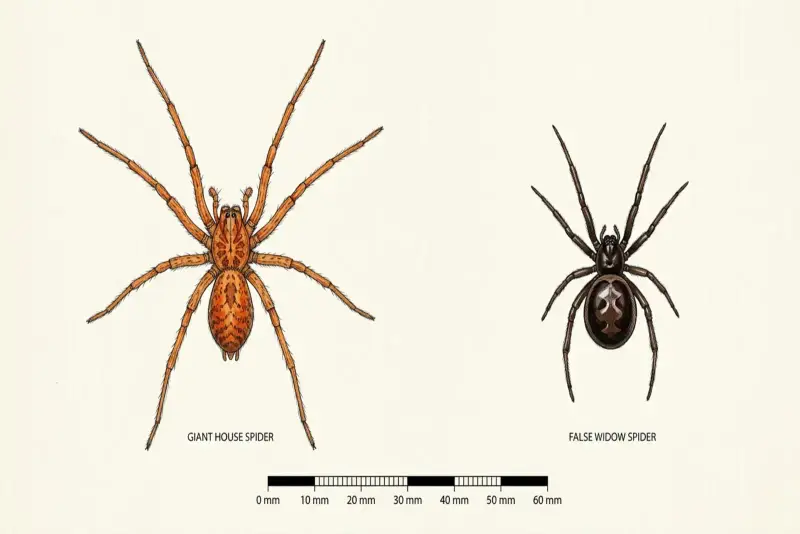
Common House Spiders vs False Widows: How to Tell Them Apart
Big spider running across the floor, or a false widow tucked in a corner web? Here's how to tell London's most common house spiders apart.
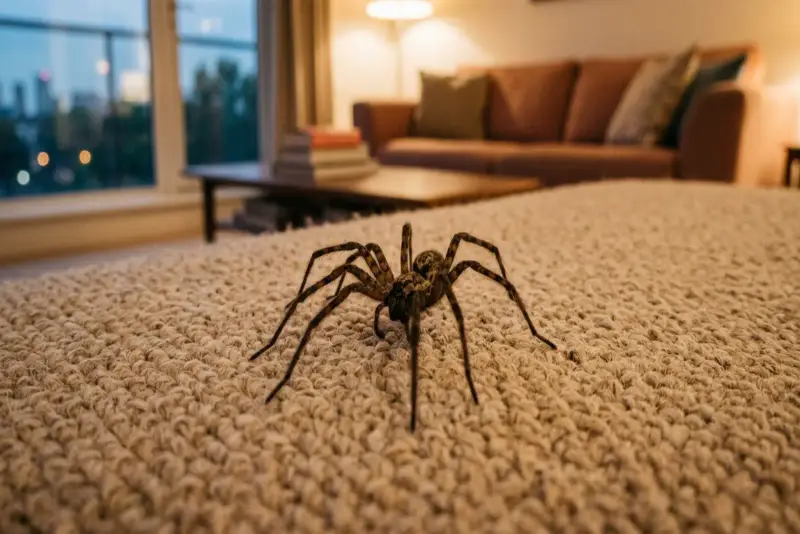
Spider Season: What's Really Going On
Seeing more spiders in your London home this autumn? Here's what's actually happening - and why it's not the invasion the headlines suggest.
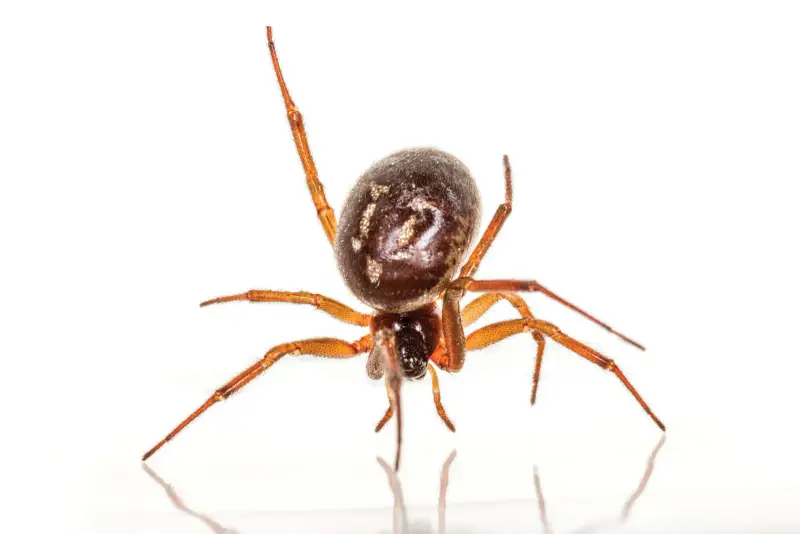
False Widow Spiders: How Worried Should You Actually Be?
Found a false widow spider in your home? Here's how to identify one, what a bite actually involves, and when to actually be concerned.
Spider Control across Greater London
Say goodbye to unwanted pests: schedule your inspection now
A real person answers 24/7. Same-day visits available. Every treatment includes a free revisit if the pests come back within 60 days.