Few UK pests attract as many alarming headlines as the false widow spider, and the coverage rarely matches the reality. If you’ve spotted one in your London home, it’s worth knowing what you’re actually dealing with before assuming the worst.
How to Identify a False Widow Spider
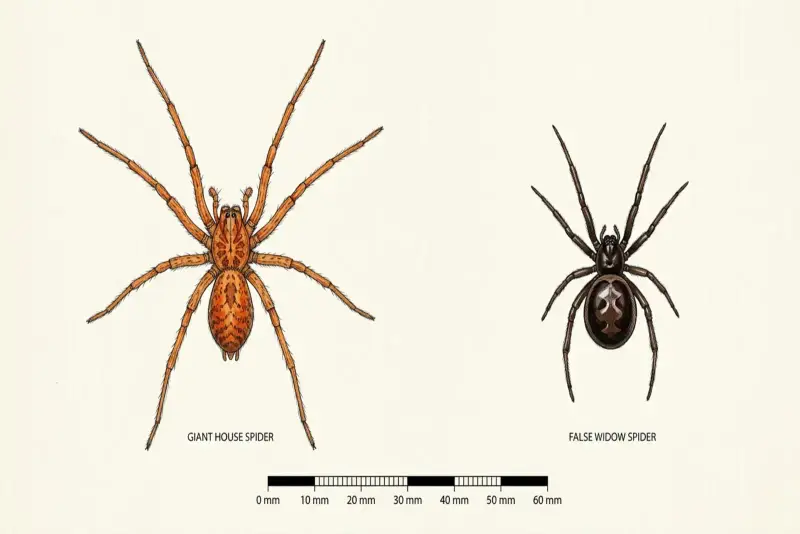
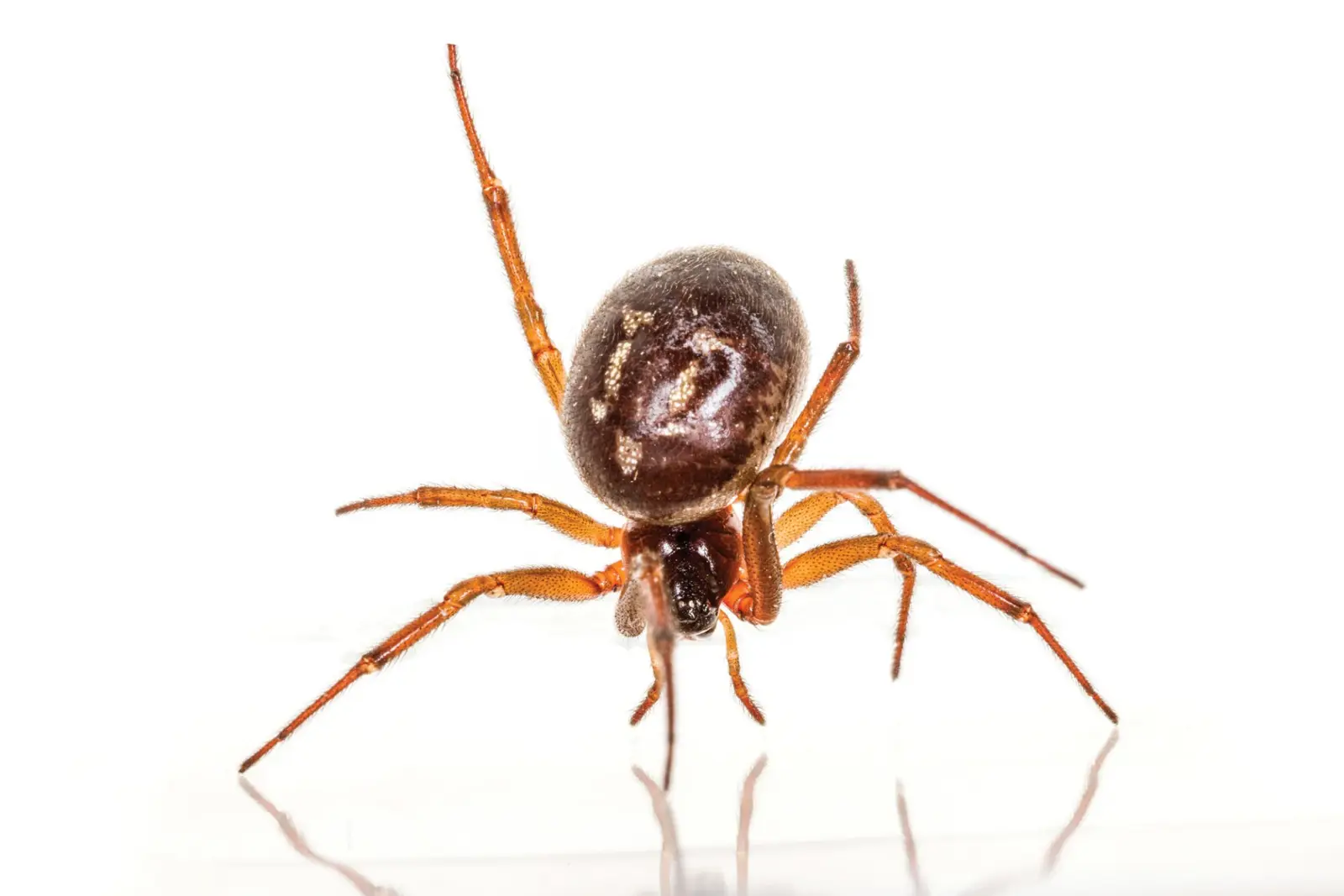
The noble false widow, the species most commonly found in UK homes, has a bulbous, glossy dark brown abdomen with cream-coloured markings that are often described as skull-shaped, and reddish-orange legs. Adult females reach a body length of around 8.5-11mm - noticeably larger and rounder than most spiders found in British homes, though nowhere near as large as it’s sometimes made out to be in media coverage.
They build tangled, irregular “scaffold” webs, typically suspended at least 1.5 metres off the ground to catch flying insects, and tend to favour kitchens, conservatories, and south-facing walls where it’s warmer.
Where They Came From and Why They’re Spreading

False widow spiders aren’t native to the UK - they arrived over a century ago, most likely as stowaways in fruit crates from Madeira and the Canary Islands, and first established themselves along the south coast. Milder winters in recent decades have allowed the population to expand steadily northward, which is why they’ve become more commonly reported across London and further afield than they once were.
What a Bite Actually Involves
This is where the reality diverges most from the reputation. False widow bites are rare, and when they happen it’s almost always because the spider was handled roughly, squashed, or trapped against skin in clothing or bedding - not an unprovoked attack. When a bite does occur, the typical experience is pain at the site, sometimes with mild swelling, that’s generally comparable to a wasp sting and resolves on its own.
More severe symptoms occasionally reported in the media are more often linked to a secondary skin infection rather than the venom itself. The Natural History Museum’s identification service has publicly stated that even in homes with several resident false widow spiders, you’re statistically far more likely to be stung by a wasp or bitten by a dog, and there have been no confirmed fatalities from a spider bite in the UK, including from the false widow.
What To Do If You Find One
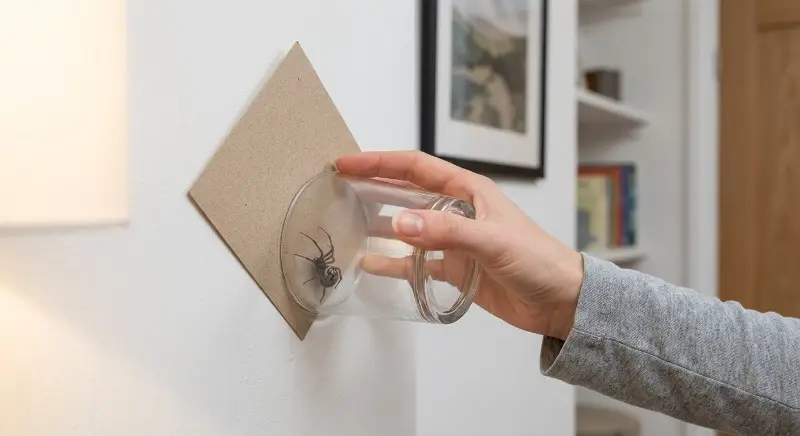
- Trap it under a jar or glass and release it outside, as you would with any spider - there’s no need to kill it
- Avoid handling it directly, since bites happen mainly from accidental contact rather than aggression
- Check clothing or shoes left on the floor overnight if you’re in an area with known activity, since trapped-contact bites are the most common cause
- If you are bitten, wash the area with soap and water; a cold pack and standard painkillers are usually enough, and it’s rare to need anything more
Need it dealt with?
See how our spider control in London works, check every price in full, or get a free quote and we will call you back within 15 minutes, day or night. If the pests come back within 60 days, we return free.
Need spiders treated?
See how our spider control in London works, what it costs and what is included.