If you’ve spotted ants in your London home, the first question isn’t “how do I get rid of them” - it’s “which ants are these?” Garden ants and pharaoh ants look similar to an untrained eye, but they behave completely differently, and treating one like the other is the single biggest reason DIY ant treatment fails.
Garden Ants (Black Ants)
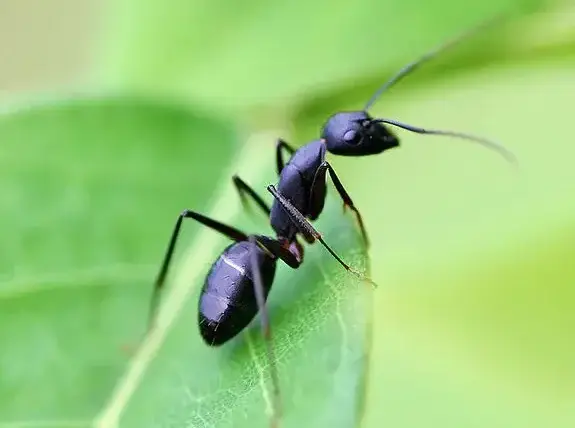
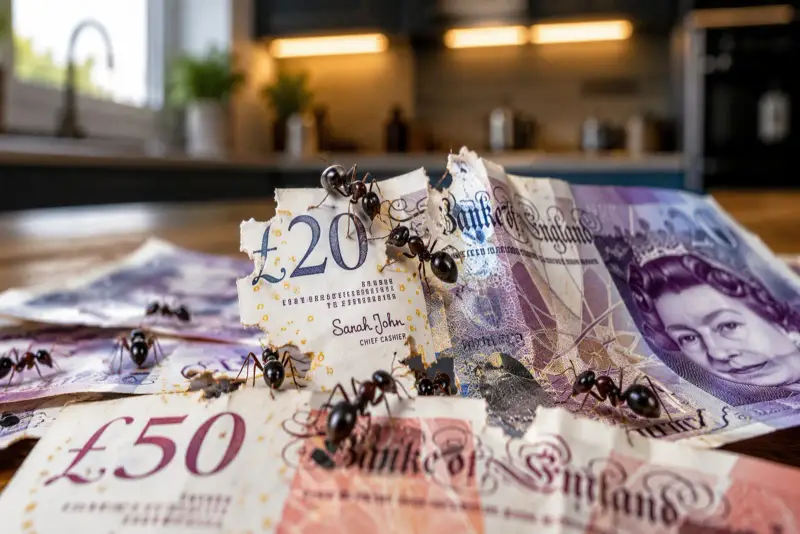
The ant most Londoners picture: black, roughly 4-5mm long, appearing mainly between March and October.
- Where they nest: Outdoors - under paving, in lawns, in wall cavities - with occasional indoor foraging trails to food sources
- Seasonal pattern: Largely inactive in winter; colonies hibernate underground
- Behaviour: Follow visible trails to food, particularly sweet foods; a single trail usually leads back to one outdoor nest
Pharaoh Ants
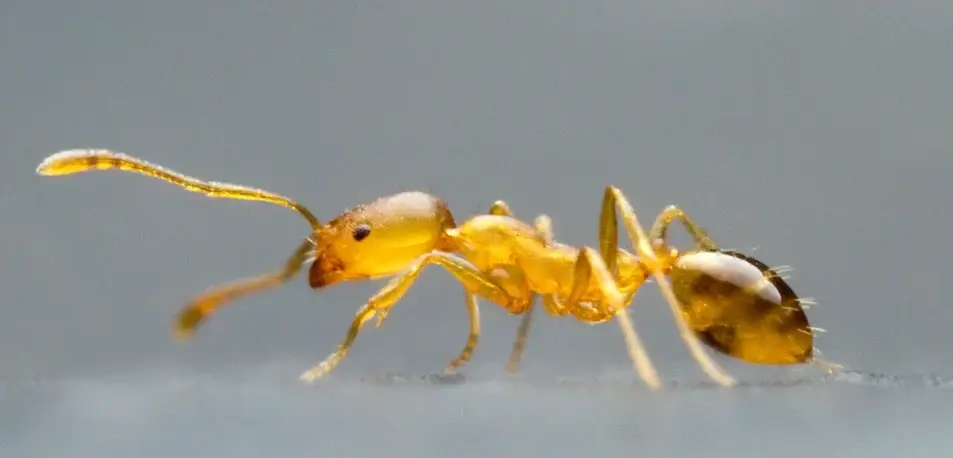
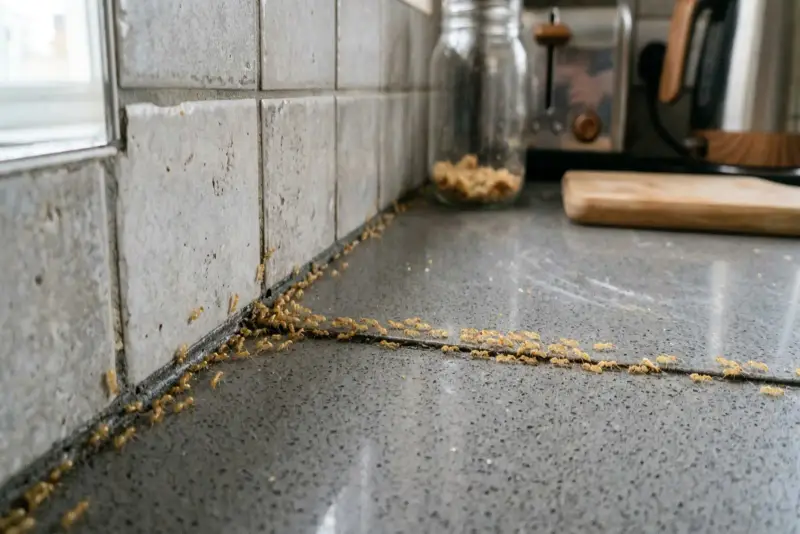
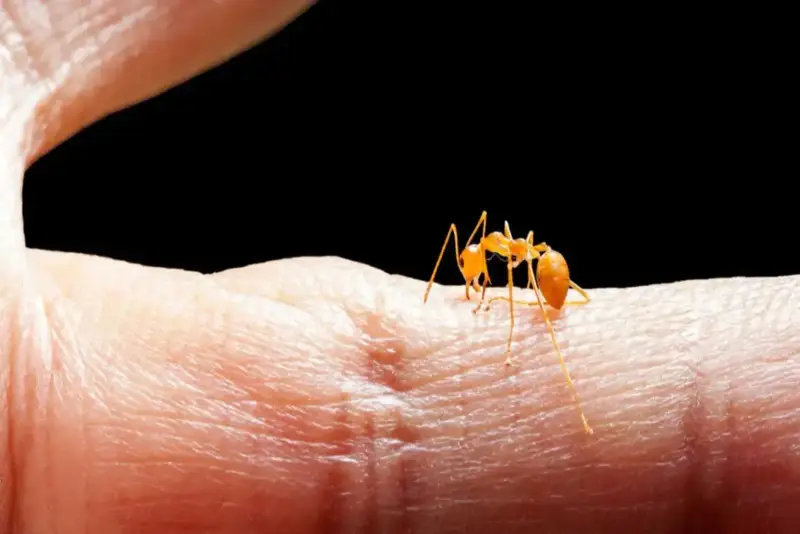
A completely different problem: tiny (around 2mm), pale yellow-brown, and active indoors all year round.
- Where they nest: Indoors, in heated buildings - wall cavities, behind sockets, in ducting - commonly in flats with shared heating, hospitals, and commercial kitchens
- Seasonal pattern: No seasonal drop-off; if you’re seeing ants in December, they’re almost certainly pharaoh ants, not garden ants
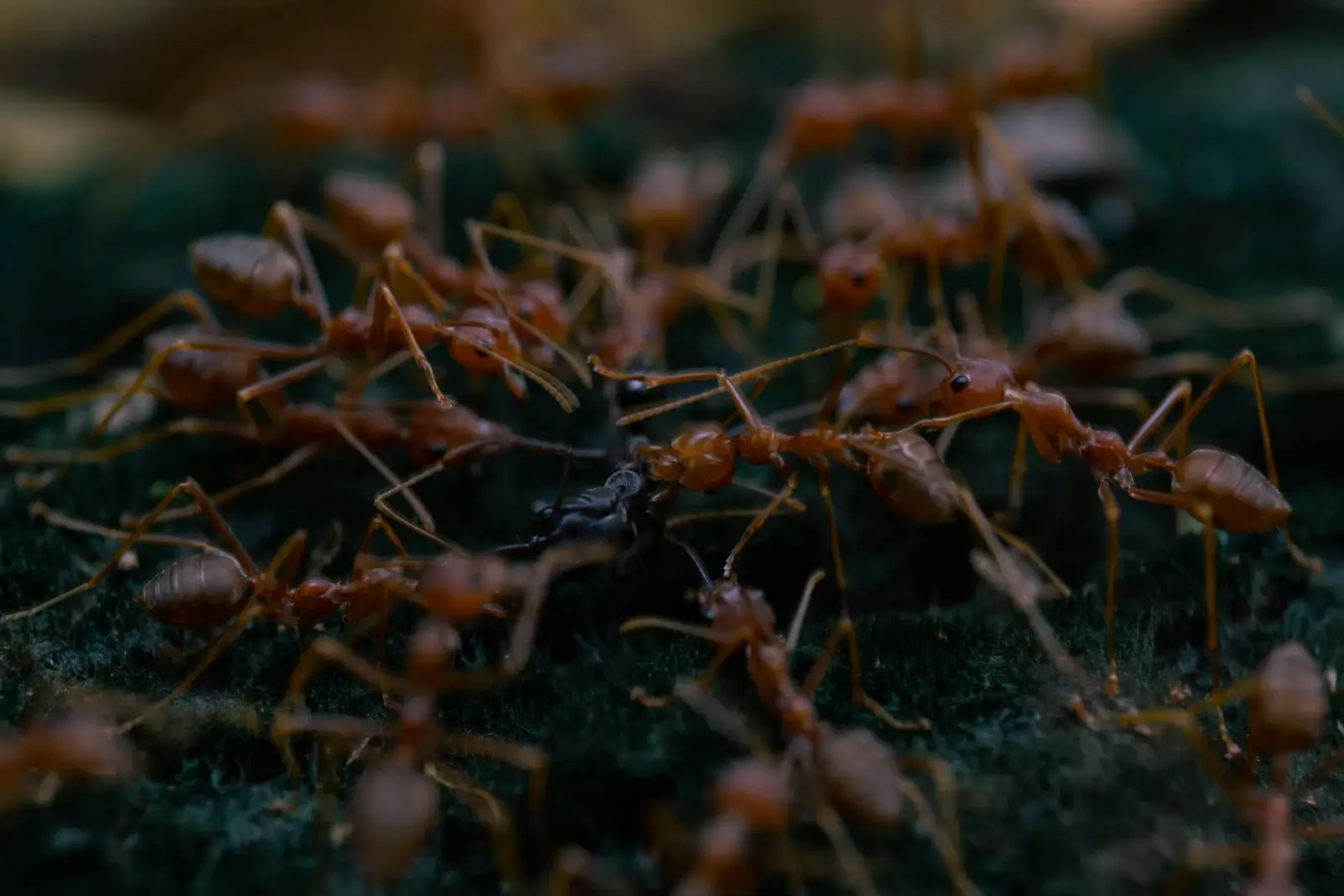
- Behaviour: Colonies split (“bud”) into multiple new colonies when disturbed by spraying, which is why standard ant spray often makes a pharaoh ant problem worse, not better
The Test That Actually Matters: Is It Winter?
This is the fastest way to tell the two apart without close inspection. Garden ant colonies are dormant through the colder months. If you’re seeing ant activity indoors in November, December, or January, it’s not garden ants: treating it with a standard garden ant approach won’t work, and may actively spread the problem.
Why This Distinction Changes Everything
Garden ants respond well to targeted gel baiting at the nest, usually resolved within one to two weeks. Pharaoh ants need a slower, more careful baiting programme across multiple visits, sometimes coordinated with neighbouring flats in shared buildings - and critically, spraying a pharaoh ant colony can cause it to split into several new colonies, spreading the problem to previously unaffected rooms or units.
This is also why a can of shop-bought ant spray that worked fine on a garden ant trail last summer can make a winter ant problem noticeably worse.
What to Do Next
- Seeing ants outdoors or on a single kitchen trail, spring through autumn? Likely garden ants - see our Ant Control page.
- Seeing tiny pale ants indoors, especially in winter, or in a flat with shared heating? Likely pharaoh ants - see our Pharaoh Ant Control page, and avoid spraying until a professional has confirmed the species.
Need it dealt with?
See how our ant control in London works, check every price in full, or get a free quote and we will call you back within 15 minutes, day or night. If the pests come back within 60 days, we return free.
Need ants treated?
See how our ant control in London works, what it costs and what is included.