
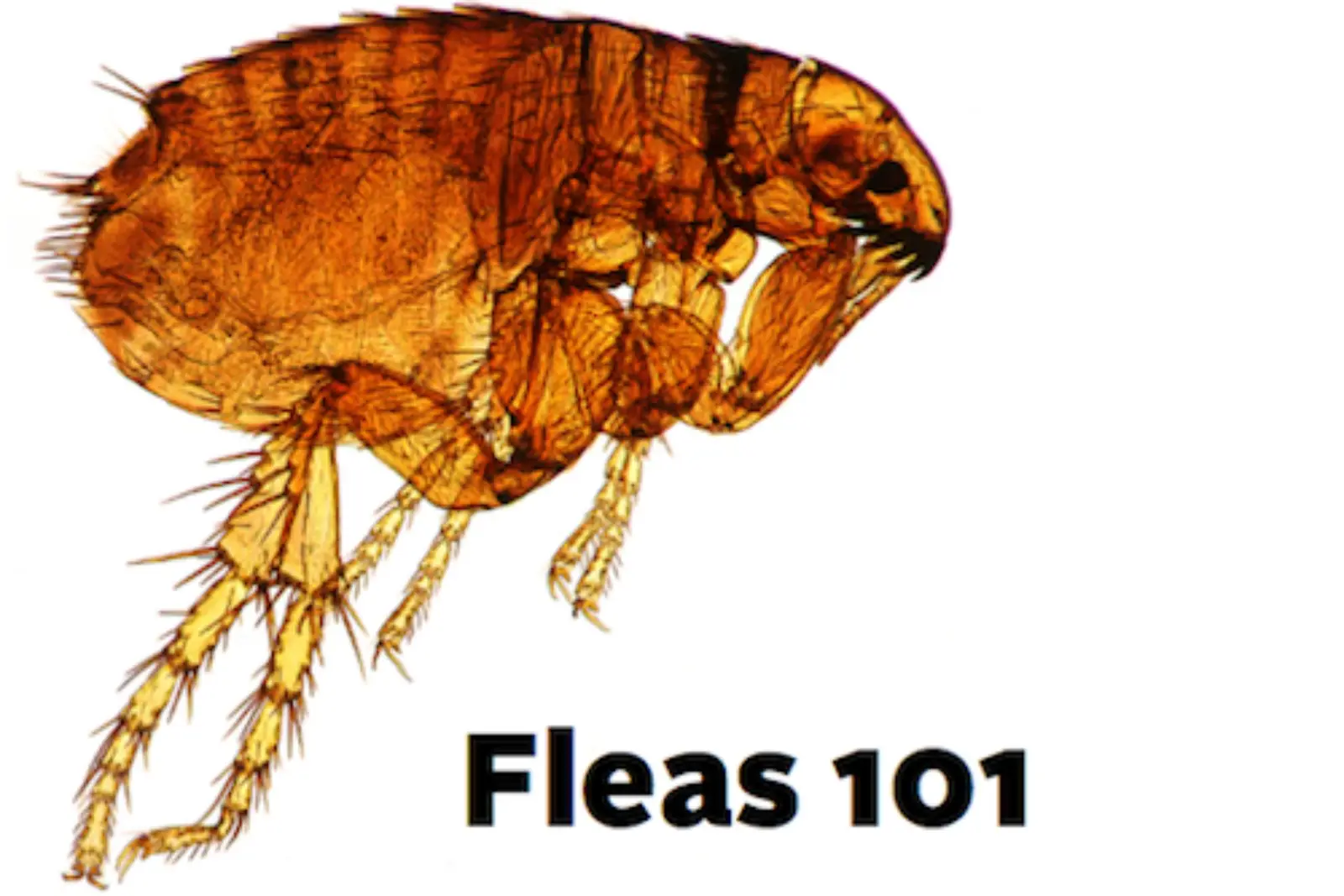
If you’ve found bites on your ankles and you don’t own a cat or dog, it’s easy to assume fleas are off the list of suspects. That assumption causes more missed infestations than almost any other flea myth we hear from London homeowners and renters. Fleas don’t need your pet - they just need a mammal to have been in the building recently, and London gives them plenty of options that have nothing to do with what’s asleep on your sofa.
How Fleas Get Into a Home With No Pets
1. The Previous Occupants Had Pets
This is the single most common cause of “mystery” flea infestations in rented flats and recently purchased homes. Flea eggs, larvae, and pupae can survive in carpets, floorboard gaps, and skirting board cracks long after the animal - and even the previous tenant - is gone. Local council pest teams routinely report flea call-outs in homes that have been empty for weeks or months, triggered the moment someone moves back in.
The pupal stage is the troublemaker here. Fleas can stay dormant inside their cocoon for a surprisingly long time, waiting for a signal that a host has arrived - usually vibration, warmth, or carbon dioxide from breathing. Plymouth City Council’s pest control guidance notes that flea cocoons can remain dormant for two years or more and are woken by the vibration of footsteps, which is why new tenants sometimes get bitten within days of moving into an empty property.
2. Wildlife Fleas
You don’t need a pet in the house to have a flea-friendly mammal nearby. Urban foxes, which are common across London gardens, and hedgehogs both carry their own flea species. So do birds nesting in roof spaces, lofts, or under eaves - bird nests are a classic secondary source that pest controllers check for when a flea problem won’t clear up after treating a home with no resident animals. If a fox has been sheltering under a shed or decking, or birds have nested in a soffit, fleas can migrate indoors looking for a blood meal once their original host moves on.
3. Fleas Hitchhike on People and Belongings
Fleas are also opportunistic. A visit to a friend’s house with a cat, a trip to a flea-infested holiday let, or secondhand furniture - especially upholstered sofas, armchairs, or rugs - can all bring eggs or adult fleas into a home that has never had a pet. Charity shop and marketplace furniture is a particularly common route, since fabric and foam are ideal places for eggs to sit undetected.
4. Visiting Pets
Even if nothing lives in your home permanently, a dog-sitting stint, a visiting relative’s cat carrier, or a friend staying over with their pet can be enough. Adult fleas can lay dozens of eggs a day, and those eggs simply fall off the animal wherever it goes - bed, sofa, car seat - leaving a mini colony behind long after the pet itself has left.
Fleas or Bed Bugs? A Quick Way to Tell
Because fleas without pets is such an unfamiliar idea, people in pet-free homes often assume bites are bed bugs instead - or the other way around. There is one reliable pattern worth knowing:
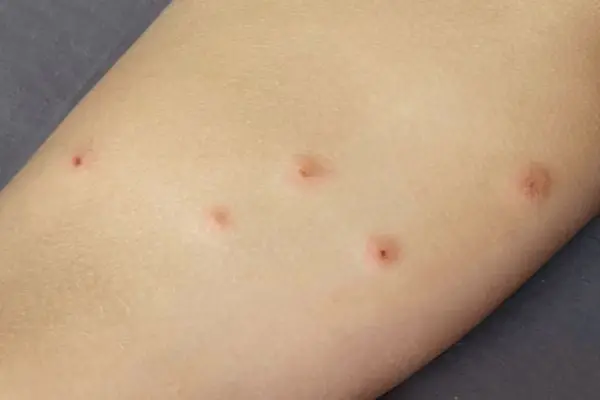
- Flea bites cluster around the ankles, lower legs, and feet, since fleas live in carpets and jump upward to bite. Bites often appear in small groups of two or three.
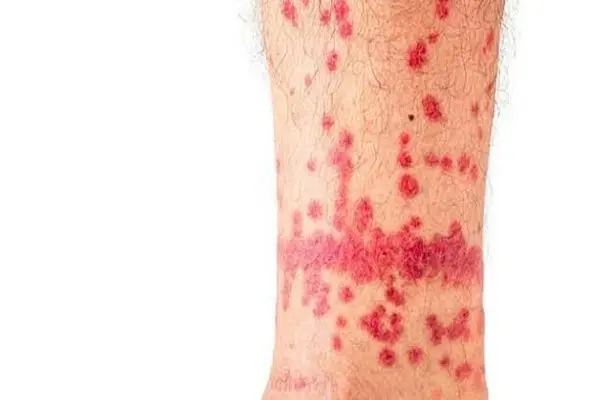
- Bed bug bites tend to appear in lines or clusters anywhere skin was exposed overnight - arms, shoulders, neck, and back - because bed bugs travel to you rather than waiting to be walked past.
If you want the full comparison, including how to check mattress seams and interpret bite patterns, see our fleas vs bed bugs guide.
Confirming It’s Fleas
- Small, dark reddish-brown insects around 1-4mm long, seen jumping rather than crawling
- Tiny black specks in carpet pile or along skirting boards (flea dirt - dried blood excrement)
- Bites concentrated below the knee, appearing in small itchy clusters
- Symptoms starting shortly after moving into a new property, having furniture delivered, or a wildlife visitor near the house
What To Do Next
Because pet-free flea infestations usually trace back to a dormant source rather than an ongoing one, a single thorough treatment - carpets, skirting boards, upholstery, and any pet-free zones like under furniture - is often enough to fully clear the problem, unlike infestations with a live pet constantly reintroducing eggs. Identifying the source (previous tenant, wildlife nest, secondhand furniture) also helps prevent it recurring.
Need it dealt with?
See how our flea control in London works, check every price in full, or get a free quote and we will call you back within 15 minutes, day or night. If the pests come back within 60 days, we return free.
Need fleas treated?
See how our flea control in London works, what it costs and what is included.