
Silverfish don’t bite and don’t spread disease, but they’re a genuine nuisance once established — and their presence is often a sign of an underlying damp or humidity issue worth addressing alongside treatment. They’re most commonly found in bathrooms, kitchens, basements, and lofts, anywhere consistent moisture gives them the environment they need to thrive.
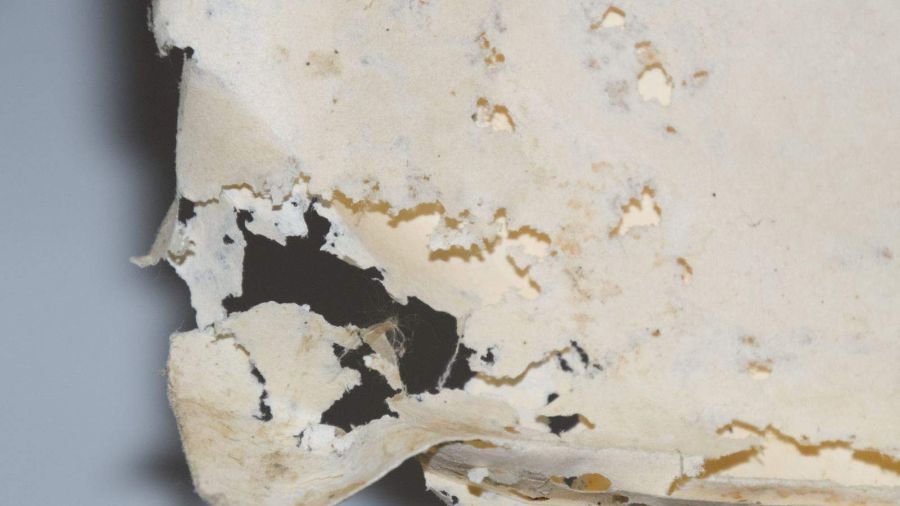
Treating visible silverfish without addressing the underlying moisture almost always means the problem returns. Silverfish need consistent humidity to survive and reproduce, so a bathroom with poor ventilation, a leaking pipe under a kitchen sink, or a damp loft will keep attracting new activity even after a treatment kills the current population.
Silverfish treatment in London typically starts from around £180–£260, usually resolved in a single visit for light to moderate infestations, with more extensive or recurring problems (often linked to unresolved damp) needing a follow-up visit. We’ll confirm the exact price and likely number of visits after inspection.
Silverfish are a frequent call-out across North West London and North East London, particularly in older properties with bathrooms and lofts prone to humidity. Check your area page for local detail, or contact us directly.

The Extermination process includes a thorough inspection of your property, sealing off entry points to stop future infestations, using safe and effective pesticides and rodenticides, and providing a warranty.
Lorem ipsum dolor sit amet, consectetur adipiscing elit. Ut elit tellus, luctus nec ullamcorper mattis, pulvinar dapibus leo.
No — silverfish don't bite, sting, or spread disease. They're a nuisance pest, though they can damage paper, books, wallpaper, and some packaging over time.
Bathrooms are one of the most common areas for silverfish because of consistent humidity from showers and baths. Improving ventilation (extractor fan use, reducing standing moisture) alongside treatment significantly reduces the chance of recurrence.
It can help reduce the conditions silverfish need to thrive, but for an established infestation, professional treatment is the faster and more reliable route — a dehumidifier is a good long-term prevention step alongside it, not a replacement for treatment.
Most infestations show a clear reduction within days of treatment, with full resolution typically confirmed within one to two weeks.
Not always a serious one, but their presence usually indicates a humidity level they find favourable — worth checking bathroom ventilation, under-sink pipework, and loft insulation for any moisture source.
Yes — they feed on the starches in book bindings, wallpaper paste, and some paper products, which can cause real damage to stored documents or books over time if left untreated.
Yes, somewhat — older properties with original single-glazed windows, less effective ventilation, and ageing pipework tend to hold more humidity, which silverfish are drawn to.
Yes — we'll advise on any short re-entry time needed after treatment, and normal bathroom use can resume shortly afterwards.
24/7 emergency response for all common London pests including rodents and insects. Contact us today for a free quotation and guaranteed results.