
Rats vs Mice: How to Tell What's in Your Walls

Hearing scratching in the walls or finding droppings in a cupboard raises the same first question every time: rat, or mouse? They’re treated differently — different bait, different station sizes, different approach to source-finding — so getting this right before you act actually matters.
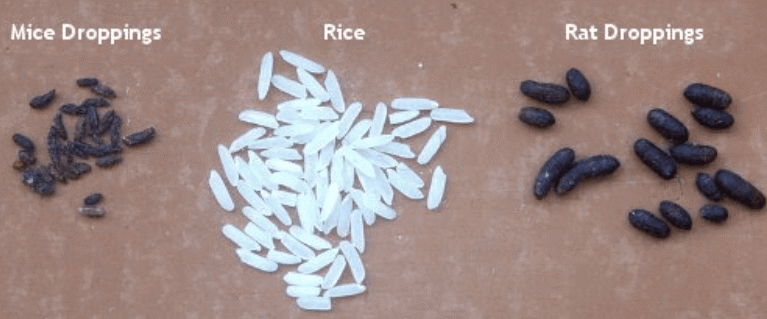
Droppings: The Fastest Way to Tell

This is usually the clearest signal if you can find any:

  • Mouse droppings: roughly rice-grain sized (6-9mm), with pointed ends
  • Rat droppings: noticeably larger (up to 20mm), thicker, blunt or tapered at the ends, dark brown to black

If what you’ve found is larger than a grain of rice, you’re very likely dealing with rats, not mice.
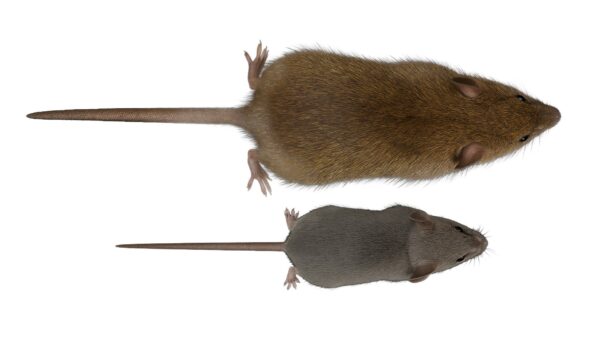
Size and Appearance

Mouse vs Rat Differences for London Homeowners Best Pest Control

  • Mice: small, roughly 7-10cm body length, thin tail, large ears relative to head size
  • Rats: much larger, up to 28cm body length with a similarly long tail, sturdier build, smaller ears relative to head size

Behaviour Differences

Mice are naturally curious and will investigate new objects (including traps) fairly quickly. They’re primarily active indoors, especially in kitchens and cupboards.

Rats are more cautious around anything new in their environment — a behaviour called neophobia — which is why rats often take longer to accept new bait than mice do. Rats are also more likely to have an outdoor component to their activity: burrows in gardens, activity near drains, or nesting in sheds, in addition to any indoor presence.

Noise and Timing

Both are mostly nocturnal, but:

  • Mice tend to produce lighter, quicker scurrying sounds, often in short bursts
  • Rats produce heavier, more deliberate movement sounds — noticeably different once you’ve heard both

Gnaw Marks and Damage

Both gnaw, but rat damage tends to be more substantial given their size and stronger jaw — larger gnaw marks on wood or plastic, and more capacity to damage structural elements like joists or cabling over time.

Why Getting This Right Matters for Treatment

Rat bait stations, placement, and programme length are different from mouse treatment — rats’ natural caution around new objects means treatment often needs a longer, more patient baiting period than mice do. Treating a rat infestation with a mouse-oriented approach (or vice versa) commonly means slower results or an incomplete resolution.


Extermination Process

The Extermination process includes a thorough inspection of your property, sealing off entry points to stop future infestations, using safe and effective pesticides and rodenticides, and providing a warranty.


Say goodbye to unwanted pests — schedule your inspection now

Frequently asked questions

Yes, though it's less common — the two don't tend to share the same spaces closely, but a property can have separate rat and mouse activity in different areas.


Both can carry disease, but rats carry a somewhat wider range of health risks, including Weil's disease (leptospirosis), which is more specifically associated with rats than mice.


A professional inspection can confirm the species definitively from droppings, gnaw patterns, and activity signs even when it's genuinely unclear — worth booking rather than guessing, given how differently the two are treated.


Not reliably — rat traps need to be sturdier and are sized differently, and rats' caution around new objects means a mouse-oriented DIY approach often fails against rats specifically.