
For a food business, a cockroach sighting isn’t just a pest problem — it’s a food safety and compliance issue with real regulatory consequences. Here’s what London restaurants, cafés, and food premises need to know.
Commercial kitchens combine everything cockroaches are drawn to: consistent warmth, food residue, and moisture, often across extended opening hours with limited downtime for thorough treatment access. Higher footfall in food storage and prep areas also means infestations can establish and spread faster than in a typical domestic kitchen.
Food businesses in the UK are legally required to maintain effective pest control as part of general food hygiene obligations, in line with Food Standards Agency guidance. A visible cockroach infestation during an Environmental Health inspection can result in enforcement action, hygiene rating penalties, or in serious cases, closure — making proactive pest management a genuine business risk issue, not just a housekeeping one.
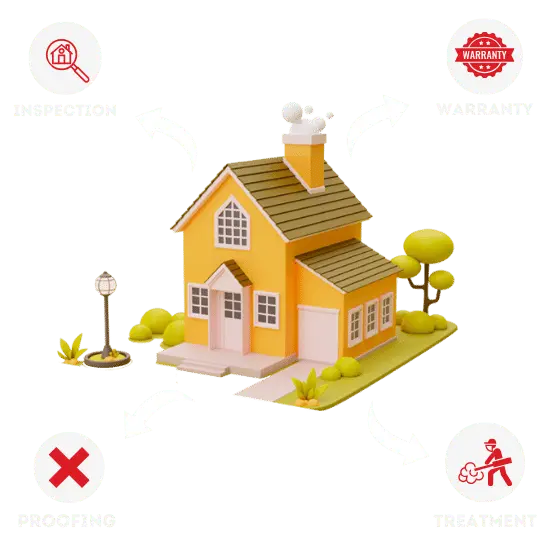
The Extermination process includes a thorough inspection of your property, sealing off entry points to stop future infestations, using safe and effective pesticides and rodenticides, and providing a warranty.
Lorem ipsum dolor sit amet, consectetur adipiscing elit. Ut elit tellus, luctus nec ullamcorper mattis, pulvinar dapibus leo.
This depends on the premises and risk level, but monthly or bi-monthly scheduled visits are common for active food businesses, with more frequent visits for premises with a recent history of activity.
Not automatically — enforcement depends on severity and your response. Having a documented, proactive pest control contract in place is generally viewed favourably compared to no pest management history at all.
Yes — commercial treatment needs to consider food safety compliance, operating hours, and documentation requirements that don't apply to a domestic property.
We're happy to provide documentation that supports your existing food safety and hygiene record-keeping — let us know what your auditor or Environmental Health team typically requires.

24/7 emergency response for all common London pests including rodents and insects. Contact us today for a free quotation and guaranteed results.