
A wasp sting is unpleasant for almost everyone, but for a small number of people it’s a genuine medical emergency. Knowing the difference matters.
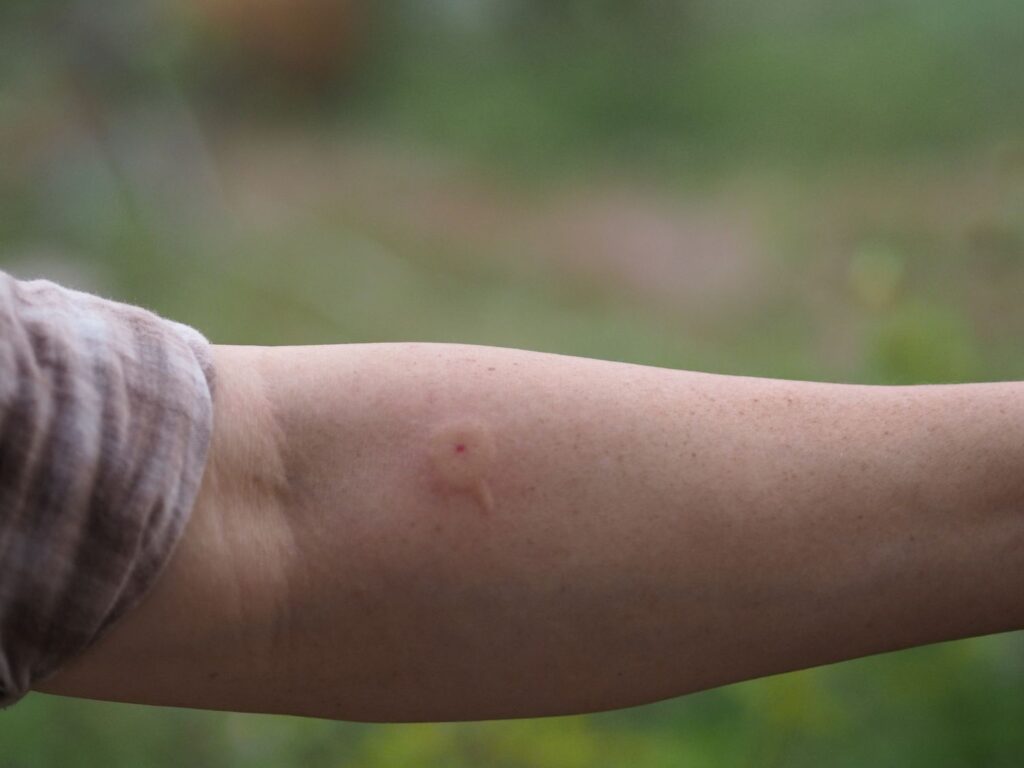
For most people, a wasp sting causes:
This typically resolves on its own within a few hours to a couple of days, and can be managed with a cold compress, over-the-counter pain relief, and antihistamine cream if needed.
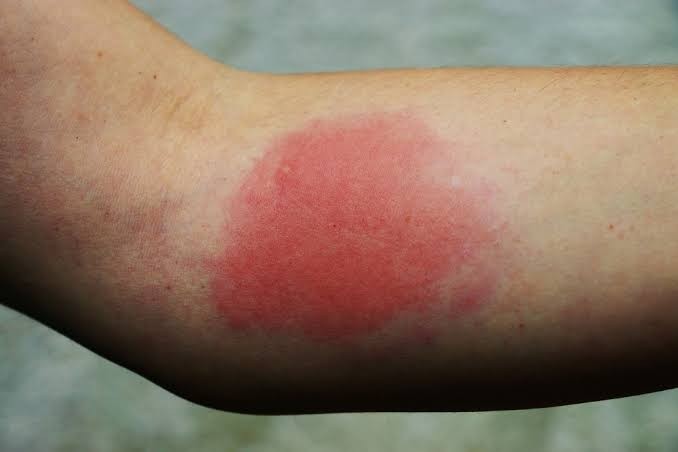
Some people experience swelling that extends well beyond the sting site itself — for example, an entire hand swelling after a finger sting. This is uncomfortable and can look alarming, but on its own isn’t the same as a systemic allergic reaction, and usually still resolves within a few days.
This is a medical emergency. Seek emergency medical help immediately if any of the following appear after a sting:
If someone has a known wasp allergy and carries an adrenaline auto-injector (such as an EpiPen), it should be used immediately according to their action plan, followed by calling emergency services.
Even without an allergy, a large number of stings at once (from disturbing an active nest, for example) can cause a more serious reaction purely from the volume of venom involved, and is worth medical assessment regardless of allergy history.
If anyone in your household has a known wasp allergy, this is a genuine reason to have any nest on your property treated professionally and promptly, rather than attempting DIY removal — the risk of multiple stings during a disturbed DIY attempt is exactly the scenario where an allergy becomes most dangerous.