Pharaoh ant treatment sits at the more expensive end of household pest control, and for good reason — the treatment method, the number of visits required, and the time the process takes are all different from an ordinary garden ant problem. Here’s what to expect.
Typical Price Ranges
Across London, professional pharaoh ant treatment generally costs more than treatment for garden ants, typically starting from around £150-£200 for an initial course covering two visits, with additional follow-up visits charged separately if the infestation hasn’t fully cleared. This is noticeably higher than a standard garden ant treatment, which can often be resolved in a single visit for a fraction of the cost.
Unlike garden ants, which respond well to a direct spray or dust applied to the nest, pharaoh ants require slow-acting gel or hormone baits placed in multiple locations around the property. Worker ants carry the bait back to the colony over days or weeks, gradually reaching the queens. This method takes longer and requires more product and technician time than a single spray treatment, which is reflected in the price.
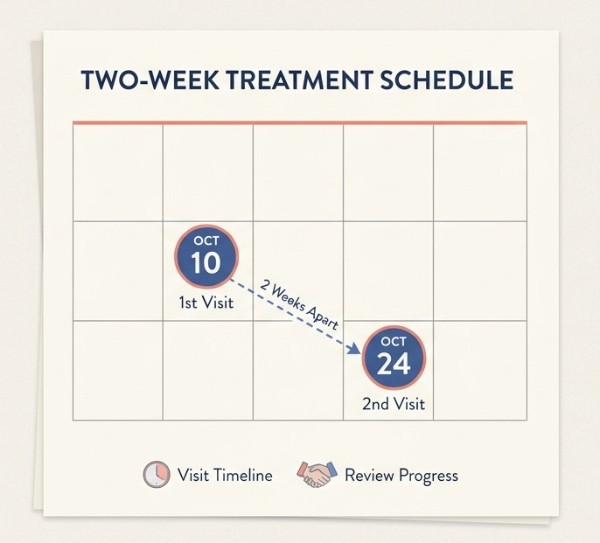
Because a single bait application rarely reaches every queen and satellite colony in one go, most professional treatments include at least two visits, often two weeks apart, with further follow-ups if activity continues. Redbridge Council’s pharaoh ant treatment guidance notes that the hormone bait it uses continues working for up to two months and must be left in place until all the ants have died off, which is why the process runs over several weeks rather than being resolved in a single visit. Some providers include follow-ups in the initial price; others charge per additional visit, so it’s worth checking exactly what’s covered before booking.
Pharaoh ant colonies can split into satellite nests spread through wall cavities and service ducts, particularly in flats and converted buildings. A property with multiple affected rooms, or one that shares walls or ducting with neighbouring flats, often needs a more thorough — and therefore more expensive — treatment plan than a single-room garden ant problem.
Off-the-shelf ant sprays are cheaper upfront, but as covered in our identification guide, spraying pharaoh ants can trigger the colony to split and spread rather than die off — turning a single-room problem into a building-wide one and ultimately costing more to resolve than professional treatment would have from the start.