
Silverfish are one of the least understood pests in London homes, mostly because they’re often treated as the problem itself rather than a symptom of something else. If you’re finding these small, glistening insects in your bathroom or under the kitchen sink, the insects themselves are rarely the real issue — what matters more is what their presence usually points to.
How to Identify Silverfish
Silverfish are unmistakable once you’ve seen one — elongated, wingless insects around 12mm long, tapering toward the tail with long antennae at the front and three thin tail-like filaments at the rear. Their bodies are covered in fine scales that give them a silvery, glistening appearance, and their fast, wriggling movement across a floor is often the first thing people notice, since it resembles swimming more than the usual insect scuttle.
They’re nocturnal and light-averse, so switching on a bathroom light at night and seeing one dart for cover under the bath panel or skirting board is a very typical first encounter.
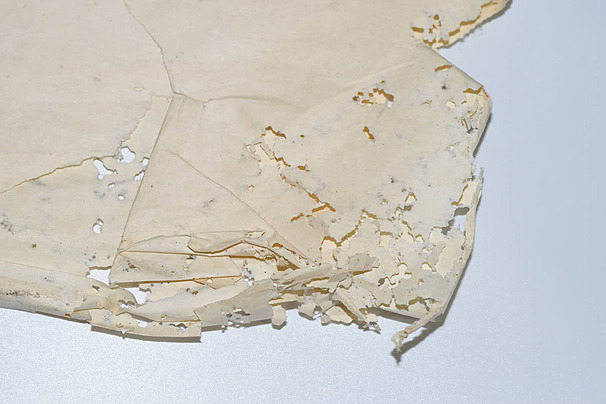
Silverfish need moist conditions to thrive, and in the UK they’re rarely found anywhere that isn’t damp — bathrooms, basements, under leaking pipework, or behind wallpaper that’s lost its adhesion due to damp. Newcastle City Council’s pest guidance states plainly that the presence of silverfish is an indication of damp conditions and may be a warning that repairs are needed. A persistent infestation, especially one that keeps returning after cleaning, is usually a sign that there’s an underlying moisture problem in the property worth investigating, whether that’s poor bathroom ventilation, a slow leak, or condensation building up somewhere out of sight.
This is why silverfish are worth taking seriously even though they don’t bite, sting, or spread disease. Treating the insects without addressing the damp that’s attracting them tends to result in the problem simply coming back.
Silverfish feed on carbohydrates and starches rather than blood or living plants — book bindings, wallpaper paste, cardboard, and even some synthetic fabrics and food residue in kitchen cupboards. This is why they’re commonly found in areas that combine moisture with paper or fabric storage, such as damp lofts holding cardboard boxes or bathroom cabinets with stacked towels.