
Mice are one of the most common pest problems in London, particularly in Victorian and Edwardian terraces, converted flats, and any property backing onto gardens or shared drains. A mouse can squeeze through a gap the width of a pencil, which is why sealing entry points is just as important as the initial treatment — without it, new mice simply move in behind the ones you’ve cleared.
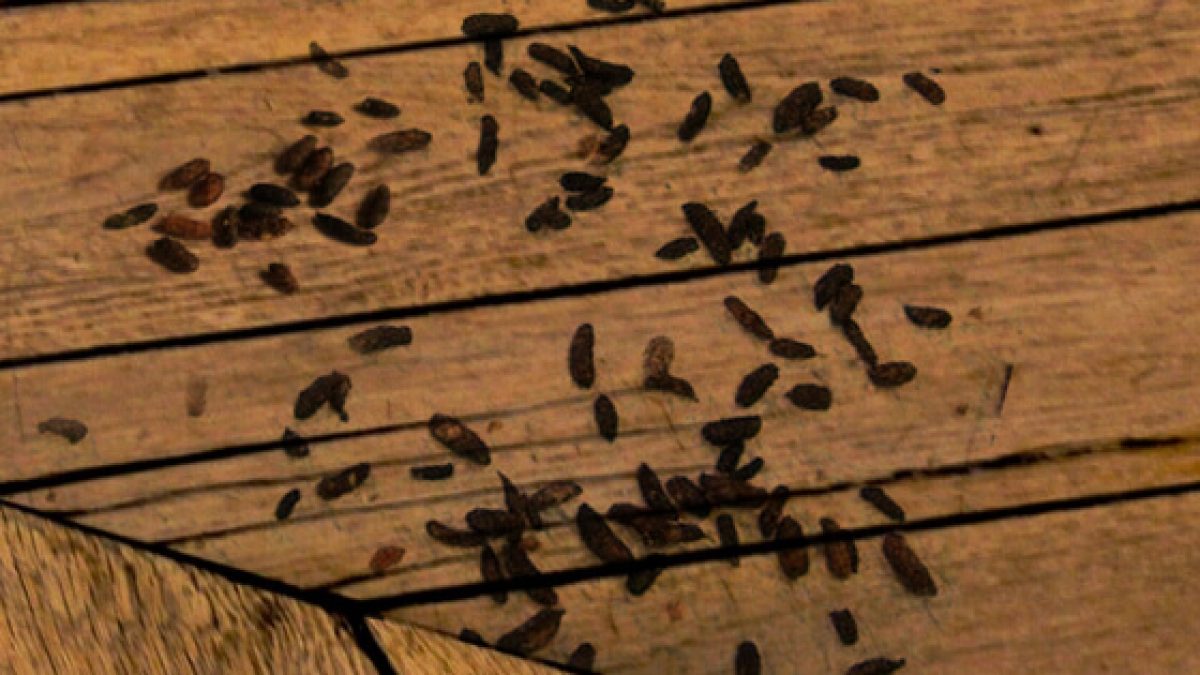
Small, dark droppings (roughly rice-grain sized) near food storage, along skirting boards, or inside cupboards
Scratching or scurrying sounds in walls, ceilings, or under floorboards — usually most noticeable at night
Gnaw marks on food packaging, skirting boards, or wiring
A stale, ammonia-like smell in enclosed spaces such as cupboards or lofts
Greasy smear marks along regular routes near walls, where mice repeatedly brush against the same surface
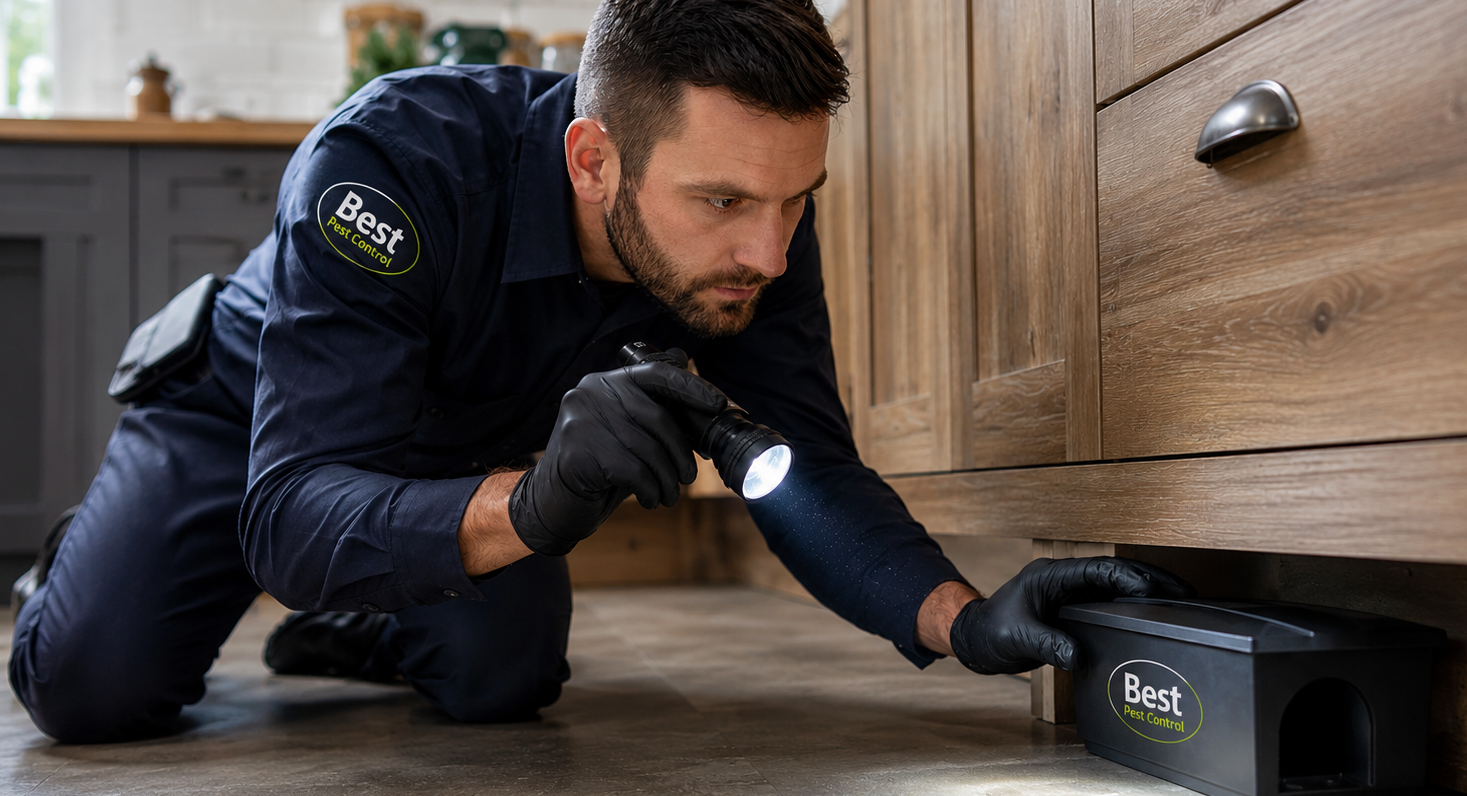
Treatment reduces the current mouse activity inside your property, using professional-use bait placed in the areas mice are actually using, typically over two visits within a few weeks to a few months, allowing us to check progress and adjust as needed.
Proofing is the long-term fix: systematically sealing the gaps mice are using to get in — around pipework, under kitchen units, through air bricks, and around service penetrations. Treatment without proofing often means the problem returns, since it doesn’t change how mice are getting in.
For most London properties, especially flats and terraces with shared walls, we’d recommend treatment first, followed by proofing once activity has calmed down and access points are clear.
Inspection — checking likely entry points and activity signs throughout the property, including kitchen units, boiler cupboards, and loft spaces.
Professional-use bait placement — positioned precisely in active areas, well out of reach of children and pets.
Follow-up visit — to check and replenish bait and assess whether activity has reduced.
Proofing (where needed) — sealing identified entry points around kitchen units, pipework, air bricks, and skirting gaps.
Mice treatment in London typically starts from around £150–£220 for a standard property, covering two to three visits over a few weeks. Mouse proofing is usually quoted separately once entry points are identified — typically starting from £300–£350, depending on the size of the area being sealed and how many access routes are found. We’ll always separate treatment and proofing clearly on your quote so you know exactly what you’re paying for.
Mice are a frequent call-out across North West London (period terraces), North East London (dense converted housing), and South East London (riverside flats). Check your area page for local detail, or contact us directly.