Bed bugs in a rented property raise a question that doesn’t come up with most other pests: who’s actually responsible for paying to sort it out? Here’s a general, practical guide - though for anything disputed or serious, official housing guidance is the right next step, not just this article.
The General Rule
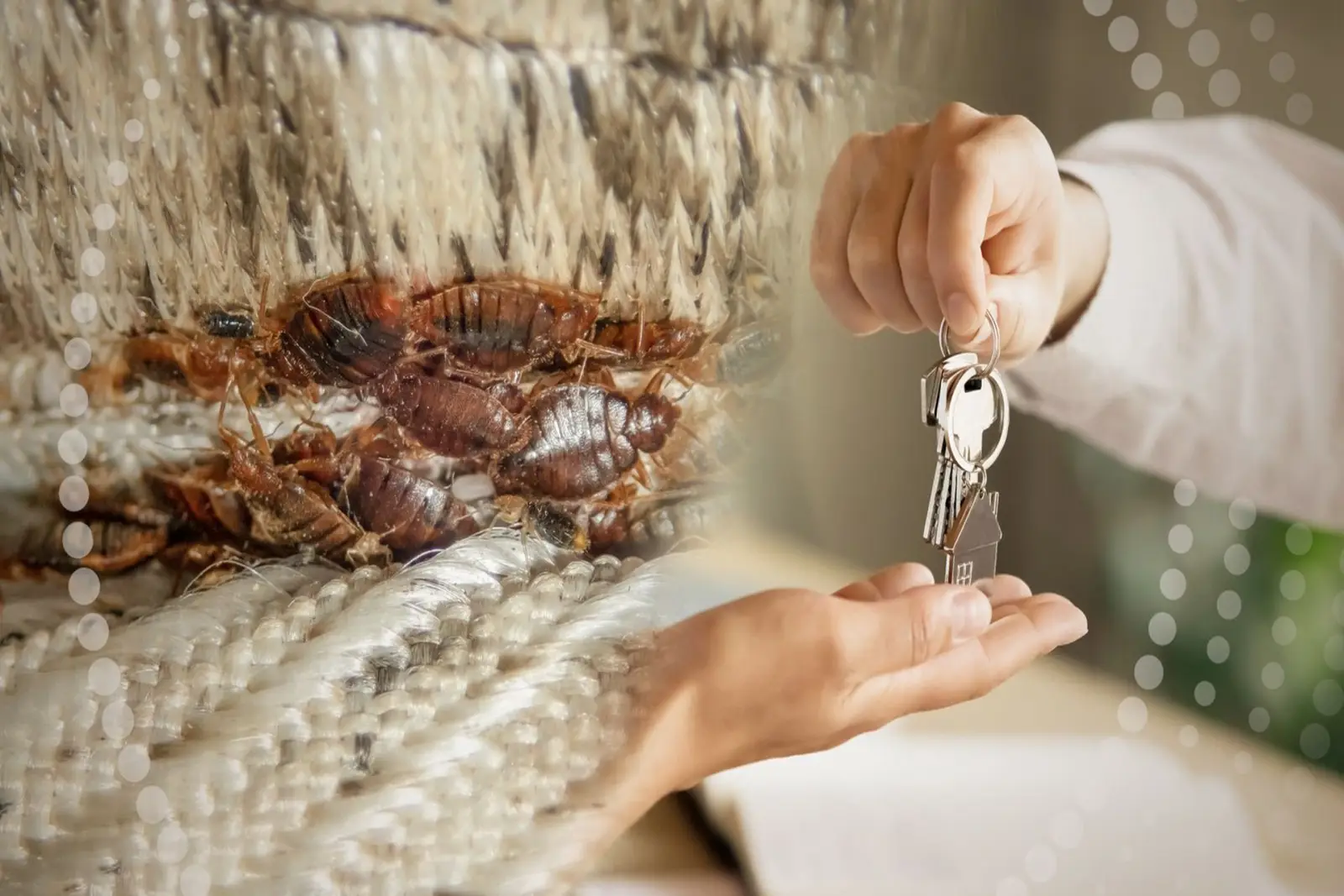
In most cases, landlords are responsible for pest infestations that are linked to the property’s condition or that existed before the tenancy began. Bed bugs specifically are trickier than rodents or damp-related pests because they’re usually introduced by people or belongings (travel, secondhand furniture, previous occupants) rather than a structural issue - which is exactly why disputes over responsibility come up more often with bed bugs than with, say, mice getting in through a wall gap.
Situations where a landlord is typically responsible:
- The infestation was present when the tenancy began
- It’s linked to a shared building issue (e.g., spreading from an adjoining flat via party walls)
- The tenancy agreement specifically states pest control is the landlord’s responsibility
Situations where a tenant may be responsible:
- The infestation is clearly linked to something introduced during the tenancy (e.g., secondhand furniture brought in, or the tenant’s own recent travel)
- The tenancy agreement places pest control responsibility on the tenant
What To Do First, Regardless of Who’s Responsible
- Report it in writing to your landlord or letting agent as soon as you notice it - this creates a clear record and start date, which matters if responsibility becomes disputed later
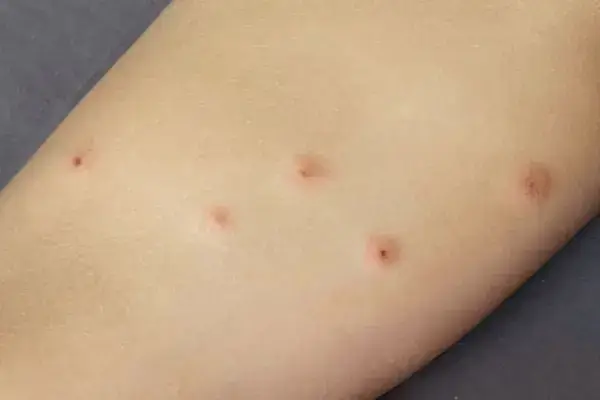
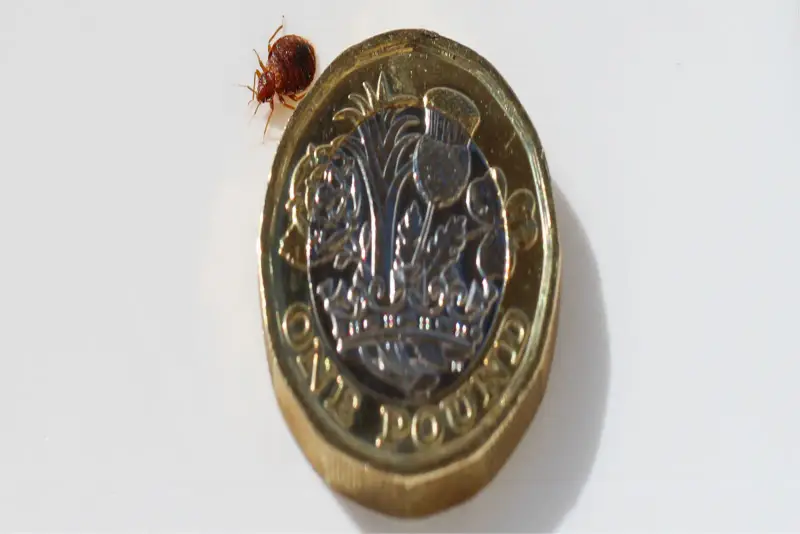
- Take photos of any visible signs (bites, marks on mattress seams, live bed bugs if safely photographable)
- Don’t wait to see if it resolves on its own - bed bugs spread, and delaying makes the eventual job larger and more disruptive regardless of who ends up paying
If There’s a Disagreement
Responsibility isn’t always obvious, especially in shared or multi-unit buildings where an infestation could plausibly have come from a neighbouring flat. If you and your landlord can’t agree, Shelter England’s guidance on pests and vermin in rented homes is a genuinely useful, independent starting point for understanding your position as a tenant.
Why Speed Matters More Than Who Pays
Whatever the eventual arrangement, bed bugs get harder and more expensive to treat the longer they’re left - spreading from one room to several, or from one flat to neighbouring units in a shared building. It’s often worth booking an inspection promptly and sorting out the payment question in parallel, rather than letting the infestation grow while responsibility gets argued over.
Need it dealt with?
See how our bed bug treatment in London works, check every price in full, or get a free quote and we will call you back within 15 minutes, day or night. If the pests come back within 60 days, we return free.
Need bed bugs treated?
See how our bed bug treatment in London works, what it costs and what is included.