
Ants in the Kitchen: A Prevention Checklist for London Homes

Once ants have been treated, the goal shifts to keeping them from coming back — and for most London kitchens, that comes down to a handful of practical habits rather than any single fix. Here’s the checklist we actually give customers after treatment.
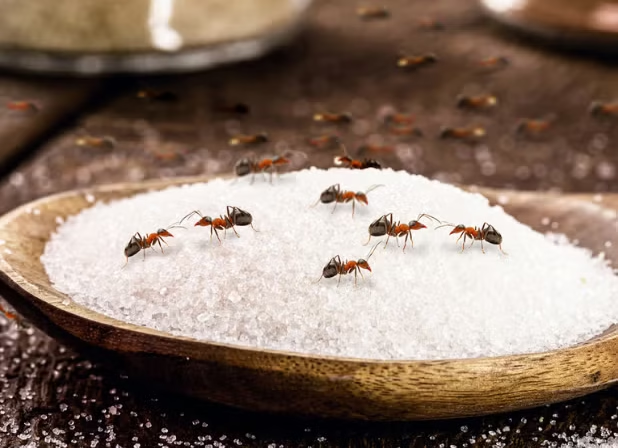
1. Remove What They’re Looking For

Ants forage for food and water, so removing easy access matters more than almost anything else:

  • Store dry goods (sugar, cereal, flour) in sealed containers, not just folded bags
  • Wipe worktops and hobs after cooking, especially anywhere sugary spills happen
  • Don’t leave pet food bowls out overnight
  • Empty bins regularly and rinse sticky containers before recycling

2. Fix Damp Spots

Ants are drawn to moisture as much as food:
  • Fix dripping taps and leaking pipework under sinks promptly
  • Wipe down condensation around windows and sinks
  • Check under the sink and behind appliances occasionally for hidden damp

3. Seal Likely Entry Points

Common ant entry points in London kitchens, particularly in period properties:

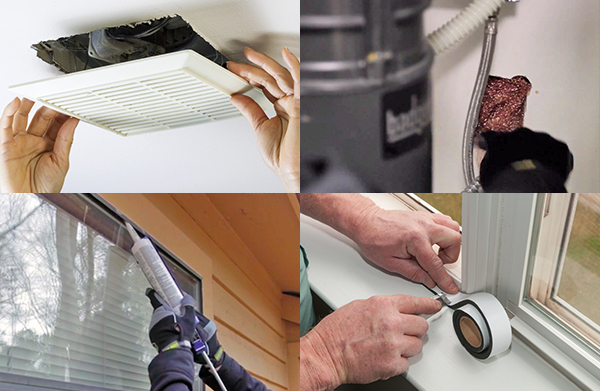
  • Gaps around pipework where it enters under the sink
  • Cracks in skirting boards or where worktops meet walls
  • Gaps around window frames, especially in older sash windows
  • Air brick vents at ground level

A simple silicone sealant closes most of these — worth doing once activity has been treated, not before, since sealing entry points during an active infestation can sometimes trap ants inside rather than keep them out.

4. Keep an Eye on the Garden Side

If your kitchen backs onto a garden, ant nests just outside the back door are a common source of repeat trails:

  • Keep planting and mulch a few inches clear of the exterior wall
  • Check under garden paving slabs near the house for nest activity in warmer months

5. Know the Difference Between “A Few Ants” and “A Returning Problem”

A stray ant or two occasionally isn’t necessarily a sign treatment failed — it can happen. What’s worth flagging for a follow-up:


  • A trail reappearing in the same spot within the guarantee period
  • Ants appearing in winter (a sign it may be pharaoh ants, not garden ants — see our guide to telling them apart)
  • Activity spreading to a new room after treatment

Extermination Process

The Extermination process includes a thorough inspection of your property, sealing off entry points to stop future infestations, using safe and effective pesticides and rodenticides, and providing a warranty.


Say goodbye to unwanted pests — schedule your inspection now

Lorem ipsum dolor sit amet, consectetur adipiscing elit. Ut elit tellus, luctus nec ullamcorper mattis, pulvinar dapibus leo.

Frequently asked questions

Wait until your technician confirms activity has stopped, usually a week or two after treatment, before sealing entry points — sealing too early can occasionally trap remaining activity inside.


They can offer mild, short-term repellent value in specific spots, but they're not a substitute for removing food/moisture sources or sealing entry points, and won't resolve an active colony on their own.


If prevention steps aren't stopping repeat activity, it's worth a follow-up inspection — persistent activity despite good prevention habits can indicate the original nest wasn't fully treated, or that you're dealing with pharaoh ants rather than garden ants.

It significantly reduces the risk, but doesn't guarantee it — ants can still enter looking for water alone, or via a nest close to an entry point regardless of how clean the kitchen is.