Cockroaches are one of the most common pest complaints across London flats and houses, particularly in converted period buildings and properties near shared drains. The advice below applies wherever you are, but if you’re in London and want a professional inspection rather than the DIY route, we cover the whole city.
Fighting cockroaches can feel like a losing battle. These pests are ultimate survivors. For millions of years, they have excelled at finding food, water, and hidden nesting spots inside human habitats.
If you are dealing with an unsettling roach problem, you are not helpless. We have gathered the most effective, strategic methods to eliminate these intruders. Use this targeted checklist to cut off their lifelines and clear them out for good.
Step 1: Eliminate Every Water Source
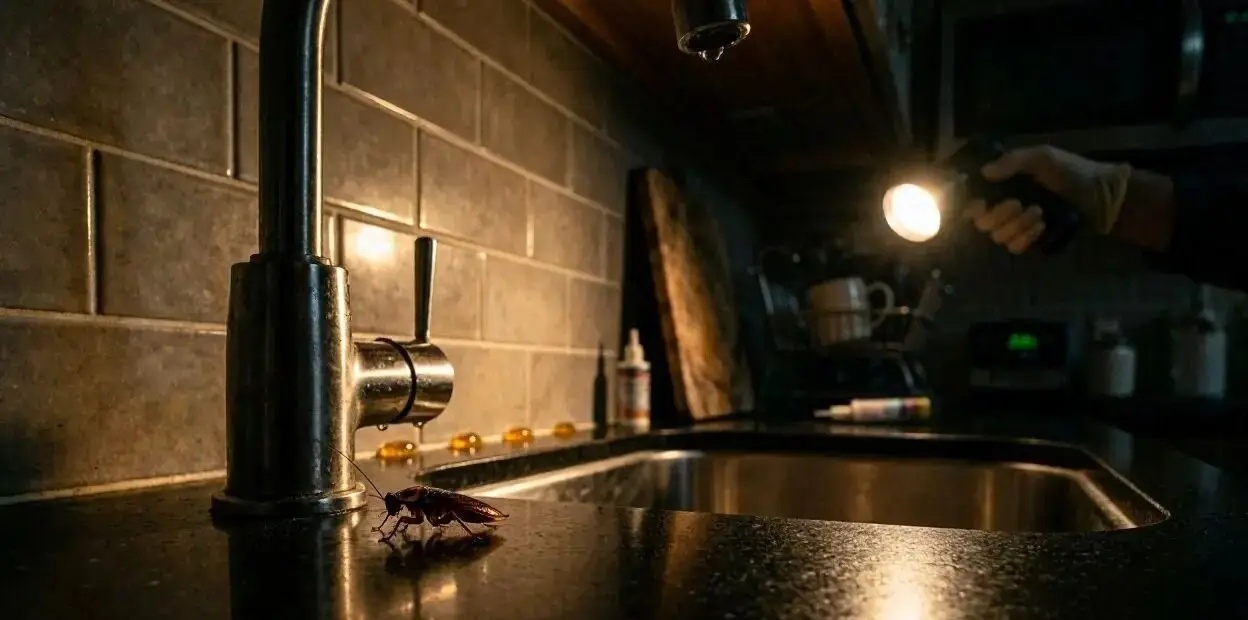
Cockroaches can survive for up to a month without food, but they will perish in less than a week without moisture. This intense biological dependency is exactly why they cluster in kitchens, utility closets, and bathrooms.
- Repair Structural Leaks: Regularly inspect the plumbing beneath your kitchen and bathroom sinks. Check for sweating pipes, slow drips, or hidden pooling.
- Dry Sinks and Basins Nightly: Wipe down your sinks, shower stalls, and countertops with a dry towel before going to bed to deny nocturnal foragers an easy drink.
- Manage Pet Bowls: Do not leave open water bowls out overnight. Empty them before bed and refill them fresh in the morning.
Step 2: Lock Down Your Food Supply
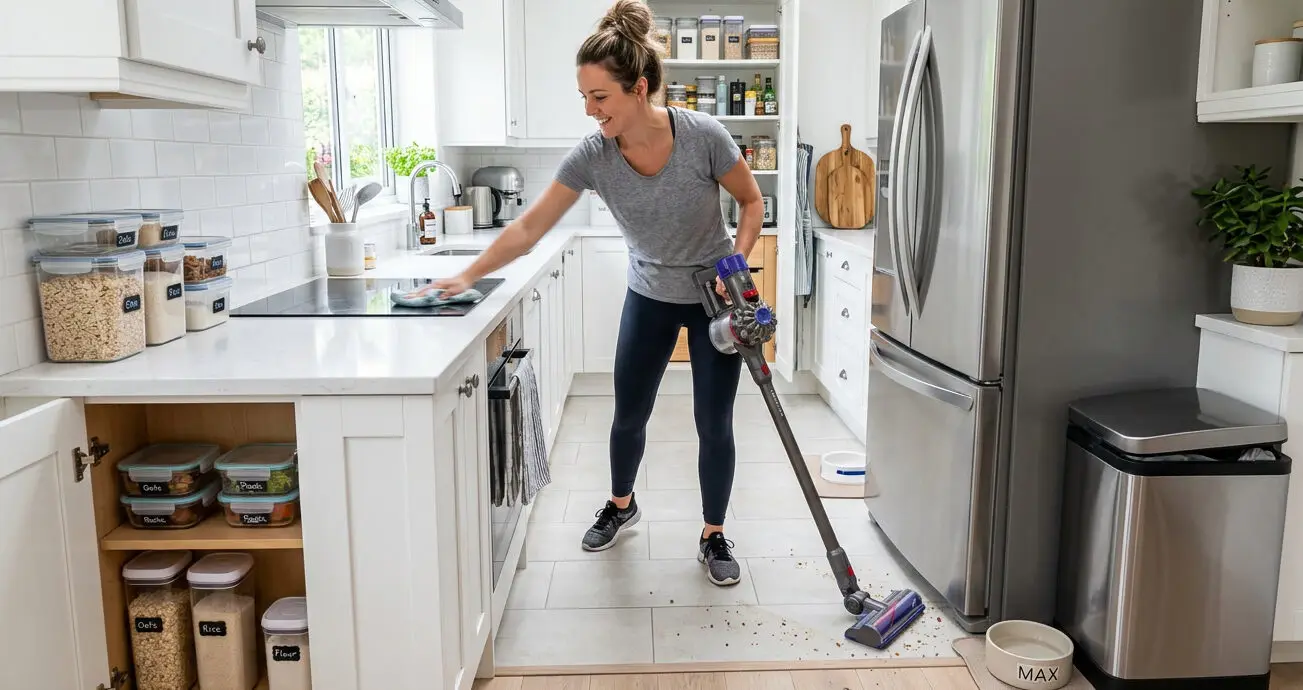
Roaches are opportunistic omnivores; they feed on microscopic crumbs, surface grease, cardboard binders, and even the starch glue on paper packaging. Protecting your surfaces from contamination requires a strict nightly containment routine.
- Deep Clean Behind Appliances: Regularly pull out your toaster, stove, and refrigerator. A surprising amount of grease, dropped food, and organic debris collects beneath these warm areas, creating a hidden feeding ground.
- Utilize Airtight Containers: Move cereals, grains, baking ingredients, and pet kibble out of cardboard boxes and into heavy plastic or glass storage containers with secure, rubber-sealed lids.
- Establish a Rigid Trash Routine: Never leave exposed trash bags sitting open overnight. Utilize a garbage bin fitted with a tight-fitting, latching lid, and take kitchen waste to outdoor bins daily.
Step 3: Clear Clutter and Seal Structural Gaps
Cockroaches thrive in tight, dark crevices where their bodies can touch structural surfaces on both sides simultaneously, a behavioral trait known as thigmotaxis.
- Purge Cardboard Storage: Roaches frequently hide, feed, and lay eggs inside the corrugated layers of cardboard boxes. Replace cardboard with smooth, snap-top plastic storage bins.
- Seal Vulnerable Entry Points: Apply high-quality silicone caulk to fill gaps along baseboards, behind electrical outlets, and around the plumbing pipes that enter your walls.
Step 4: Use Effective Treatments (And Avoid Common Mistakes)
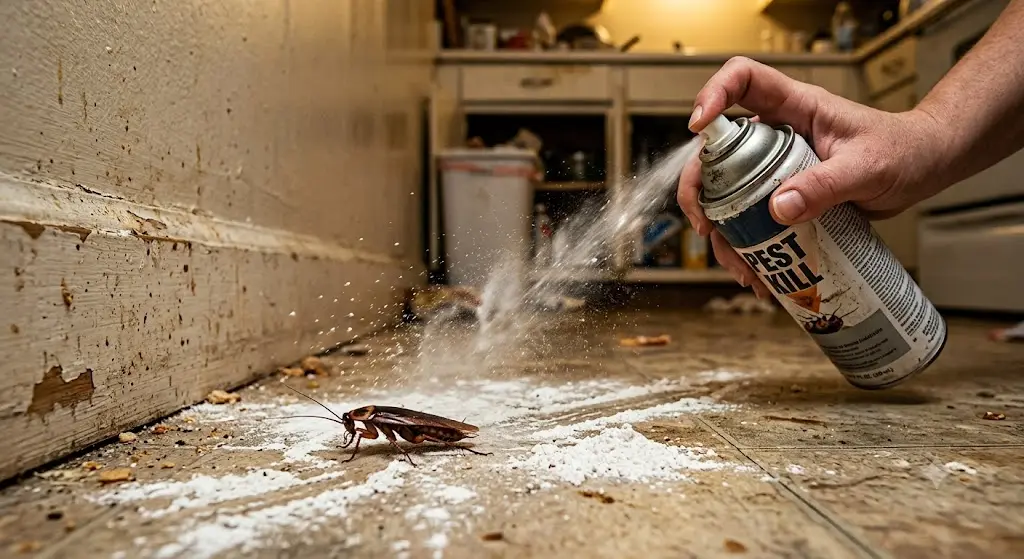
If you intend to treat specific areas yourself, avoid generic chemical aerosol sprays and commercial “bug bombs.” These harsh, repellent scents often panic the insects, causing the colony to fracture and scatter deeper into your wall voids where they multiply out of sight.
Instead, utilize Boric Acid safely and correctly:
- The Right Way: Lightly dust an almost invisible, microscopic layer of the powder along the backs of cabinets or beneath large appliances. When roaches walk through this fine dust, it clings to their legs. During their natural grooming process, they ingest the powder, which safely disrupts their digestive system from within.
- The Common Mistake: Pouring thick, visible white lines of powder is completely ineffective. Cockroaches are highly sensitive and will simply walk around the barrier.
Step 5: The Ultimate Fix (Why Professional Intervention is Vital)
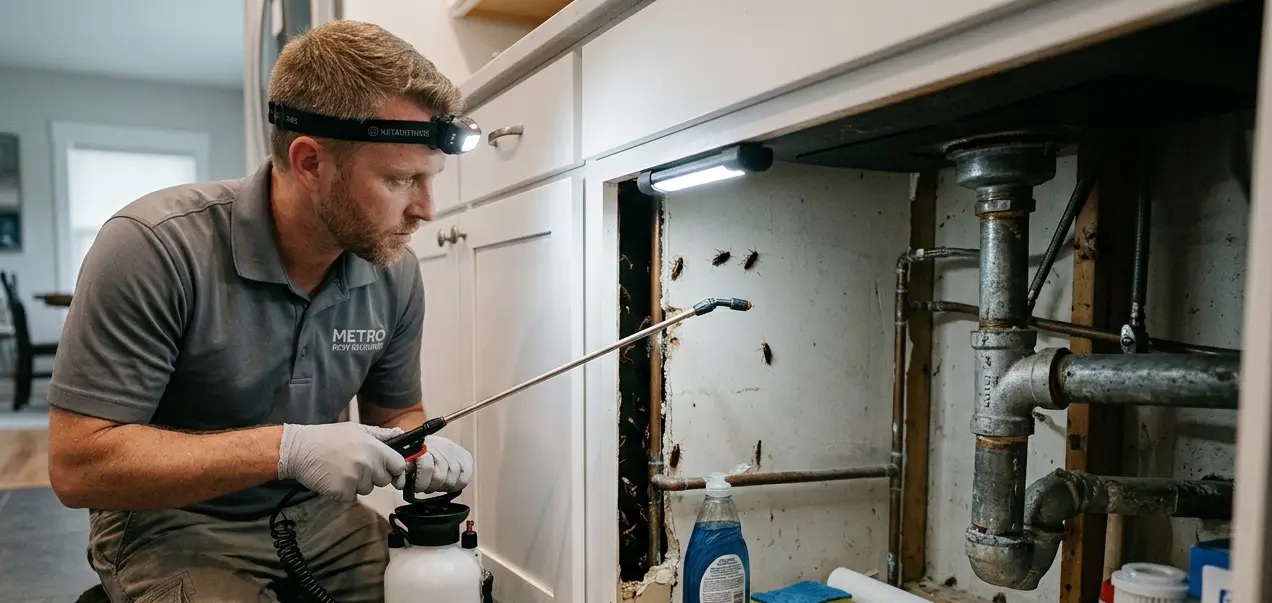
While preventative cleaning and sealing are essential for stopping new pests from entering, home remedies rarely wipe out an entrenched, deeply rooted infestation. Over-the-counter dusts and surface cleaning only target the bold worker roaches that venture out onto your floors. They do not reach the hidden nests and egg cases (oothecae) incubating deep inside your wall structures.
At Best Pest Control, we deploy advanced, non-repellent systems designed to systematically eliminate the entire colony at its source.
- Targeted Insect Growth Regulators : We utilize specialized formulations that disrupt the lifecycle of the pest. These act as a reproductive preventative, ensuring hidden nymphs cannot mature into breeding adults, breaking the infestation cycle permanently.
- Professional-Grade Synergized Baits: Instead of driving pests into hiding with harsh sprays, we position advanced, undetectable baits along precise foraging trails. The insects carry these slow-acting formulas back to the heart of the colony, eliminating the hidden population from within.
Do not waste weeks scrubbing, sealing, and stressing over a persistent pest problem. Let our experienced team do the heavy lifting so you can enjoy a clean, healthy, and completely restored living space.
Contact Best Pest Control today at 020 7193 0475 to schedule a professional property inspection and secure your home for the long term.
Need it dealt with?
See how our cockroach control in London works, check every price in full, or get a free quote and we will call you back within 15 minutes, day or night. If the pests come back within 60 days, we return free.
Need cockroaches treated?
See how our cockroach control in London works, what it costs and what is included.