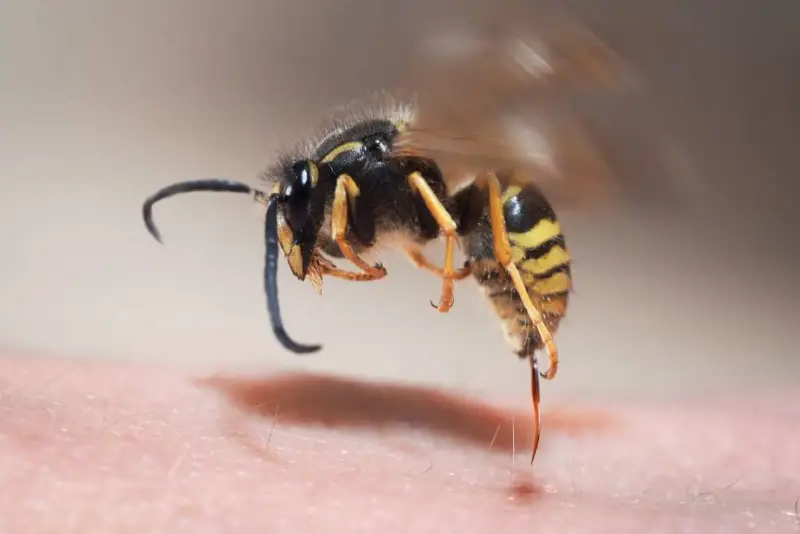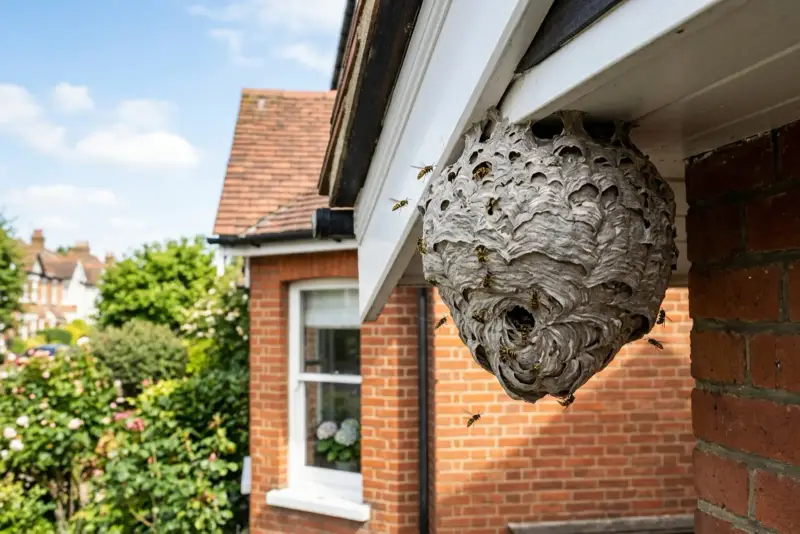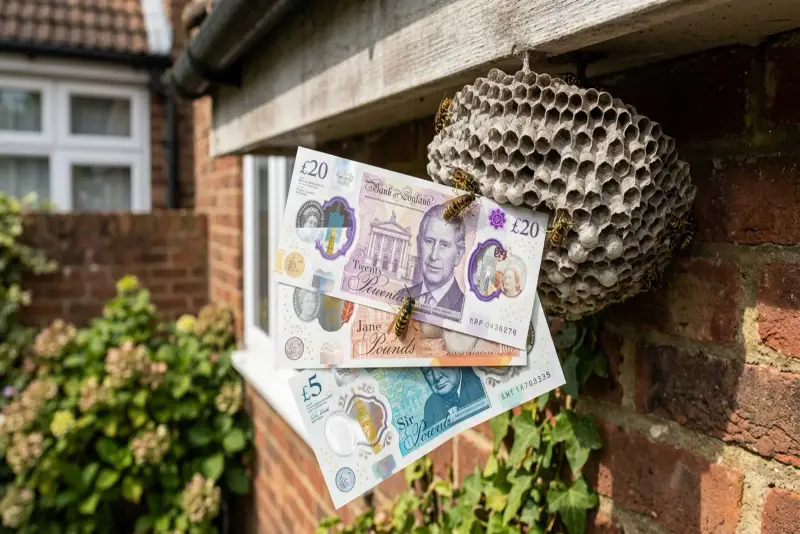

Wasp activity in London follows a genuinely predictable annual pattern. Knowing where you are in the cycle helps you understand what you’re seeing, and when action actually matters most.
March-April: Queens Emerge
Surviving queen wasps come out of winter hibernation and begin searching for nest sites - lofts, sheds, wall cavities, and garden structures. This is the earliest and easiest point to spot and treat a new nest, while it’s still just a single queen with no workers yet.
May-June: Small Colony, Rapid Foundation
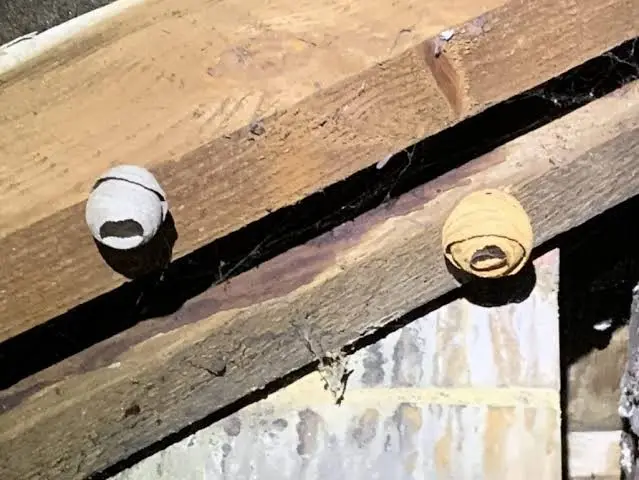
The first workers hatch and take over nest-building and foraging, freeing the queen to focus purely on egg-laying. Nests are still small at this stage - often missed entirely unless you’re specifically checking known nesting spots.
July-August: Peak Growth and Peak Risk
This is when colony growth accelerates sharply (see our guide to why wasp nests grow so fast for the biology behind it) - nests reach their largest size, and worker numbers can run into the thousands. This is also when most call-outs happen, since nests become impossible to ignore and wasps become more visible around gardens, bins, and food.
Late August-September: Most Aggressive Period
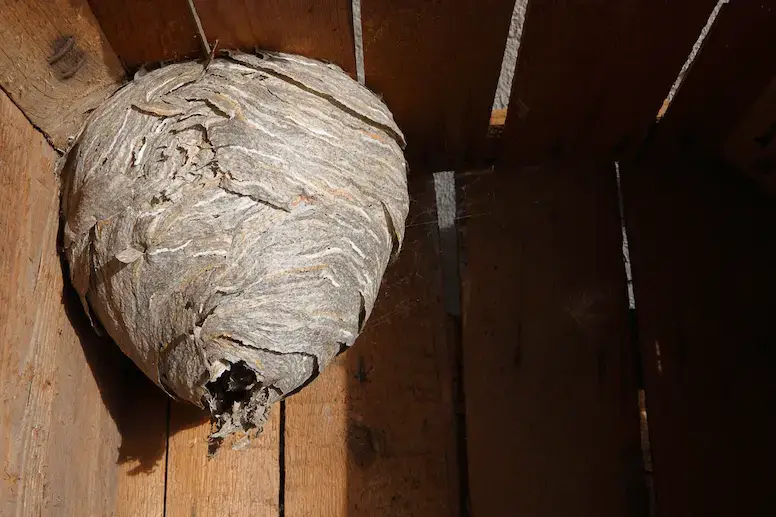
As natural insect prey becomes scarcer, wasps shift toward foraging for sugars, bringing them into closer contact with people and increasing sting risk. Colonies are at or near peak size and most defensive during this window - the period when DIY removal attempts are riskiest.
October Onward: Natural Decline
The queen stops laying, the colony gradually dies off, and by winter the nest is abandoned for good - wasps never reuse an old nest the following year. Any nest still present into late autumn is essentially inactive and typically doesn’t need treatment.
What This Means for When to Act
The single best window to treat a nest is as early as you spot it, ideally spring or early summer while the colony is still small - this is faster, safer, and lower-risk than waiting. If you’re only noticing activity in August, that doesn’t mean you’ve missed your chance, but it does mean the job is more involved than it would have been a few months earlier.
Preventing Nests Before They Start
- Check known nesting spots (loft edges, shed corners, air bricks) in early spring, when a queen-only nest is easiest to spot and treat
- Seal obvious gaps around roofline, soffits, and air bricks before spring
- Keep outdoor bins covered, particularly late summer when foraging wasps are drawn to food waste
Need it dealt with?
See how our wasp nest removal in London works, check every price in full, or get a free quote and we will call you back within 15 minutes, day or night. If the pests come back within 60 days, we return free.
Need wasps treated?
See how our wasp nest removal in London works, what it costs and what is included.