Quick answer: To get rid of carpet moths, find where the larvae are feeding, usually under furniture and along the edges of wool carpets and rugs. Vacuum those spots thoroughly and often, empty the vacuum outside, and wash or freeze affected rugs and clothes. Pheromone traps help you check it's working. If they keep coming back, a professional treatment clears the larvae you can't reach.
Carpet moths have excellent taste. They ignore the cheap polyester rug from the supermarket and head straight for the wool runner your aunt left you, like a guest who walks past the crisps and starts on the good cheese.
What are carpet moths?
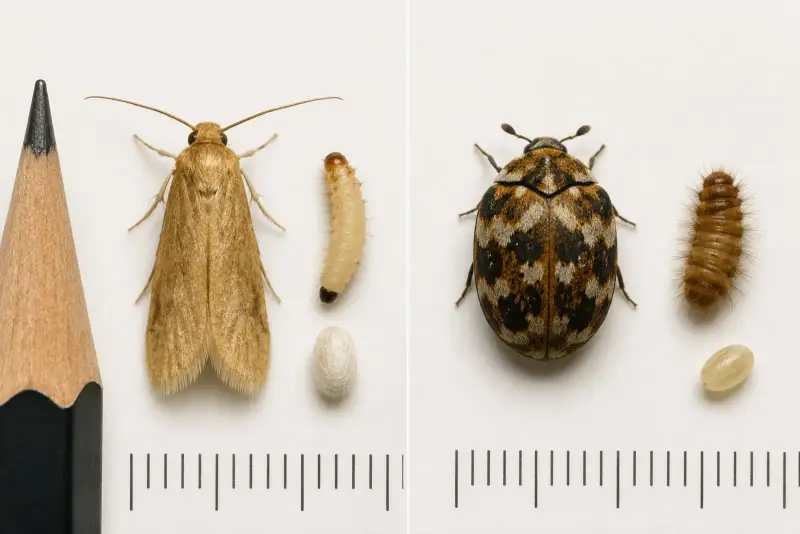
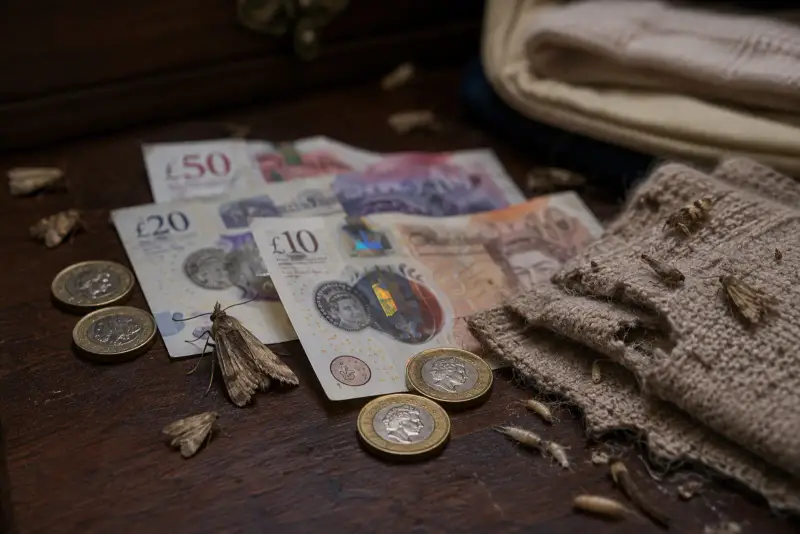
"Carpet moth" is the everyday name for clothes moths that feed on carpets. The moths don't eat anything. Their larvae do, and the British Pest Control Association notes that clothes moth larvae love wool, silk, cotton and other natural fibres. The small, pale moths you see flying at night are the adults looking for somewhere to lay eggs.
So swatting the moths feels great, but it's a bit like arresting the getaway driver while the rest of the gang are still in the vault.
Signs you have carpet moths
- Bald or thin patches in wool carpet, often under beds, sofas and wardrobes
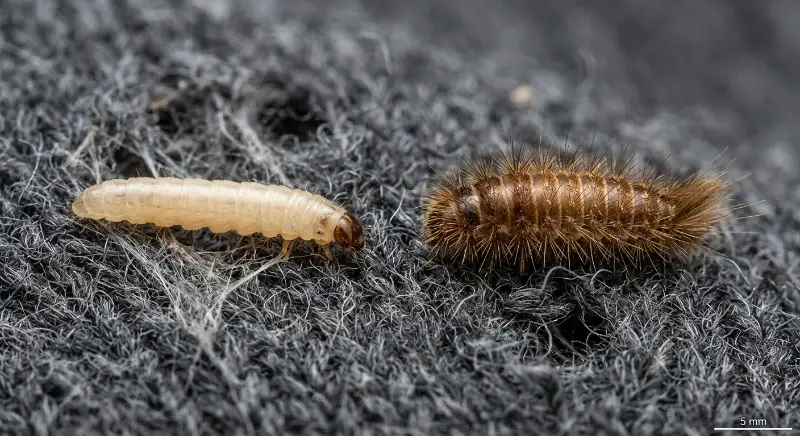
- Small cream larvae, about the size of a grain of rice, at the carpet edges
- Silky tubes or webbing at the base of the carpet pile
- Small, pale moths that flutter rather than fly, especially at night
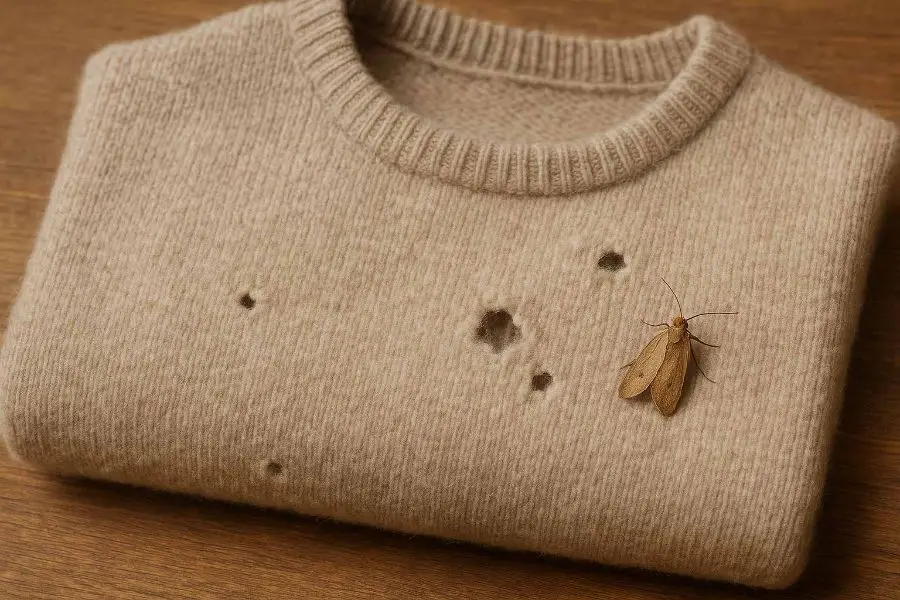
- Holes in wool clothes stored nearby
If the larvae are hairy and brown rather than cream, you may have carpet beetles instead. Our clothes moths vs carpet beetles guide shows the difference.
How to get rid of carpet moths, step by step
- Find the feeding spots. Move furniture and check under beds, sofas and along skirting boards. The damage is almost always where nobody walks.
- Vacuum hard, and often. Go over the edges and under furniture with the crevice tool every few days for several weeks. Empty the vacuum into a sealed bag outside.
- Wash or freeze what you can. Wash rugs and clothes on the hottest wash the label allows. Smaller items can go in a sealed bag in the freezer for a few days.
- Put out pheromone traps. They catch male moths, so they show you whether numbers are dropping. They won't clear an infestation on their own.
- Store wool properly. Keep clean wool and silk in sealed bags or boxes. Moths prefer dirty, worn clothes, which is the most judgemental thing about them.
| Method | What it does | Good enough alone? |
|---|---|---|
| Vacuuming | Removes eggs and larvae | Helps a lot, needs weeks |
| Hot wash or freezing | Kills larvae in rugs and clothes | For movable items only |
| Pheromone traps | Catches male moths, shows progress | No, it's a monitor |
| Professional treatment | Treats the carpet and hidden edges | Yes, with prep |
When to call a professional
Call a pro if the damage keeps spreading after a few weeks of vacuuming, if fitted carpets are affected across several rooms, or if you can't move heavy furniture to get underneath. Our moth treatment is £180 for the first room and £60 for each extra room, with a free revisit if they come back within 60 days.
See our moth control page for what the visit involves, and the clothes moth treatment cost guide for prices in full.
The best moment to act is the first bald patch, not the fourth. By the fourth, the larvae have a favourite rug and a five-year plan.
Want it sorted?
Call or WhatsApp 020 7193 0475, or get a free quote online. Moth treatment is £180 for the first room and £60 for each extra room. You pay after the treatment, and there's no extra charge for evenings, weekends or bank holidays.
Need it dealt with?
See how our moth control in London works, check every price in full, or get a free quote and we will call you back within 15 minutes, day or night. If the pests come back within 60 days, we return free.
Need moths treated?
See how our moth control in London works, what it costs and what is included.