Quick answer: To get rid of rats in the garden, take away what they're living on: food, water and shelter. Stop putting bread or seed on the ground, secure the compost bin and bins, clear piles of wood and rubbish, and cut back overgrowth. Block gaps under sheds and decking with wire mesh. If rats are still there after a couple of weeks, professional baiting clears them.
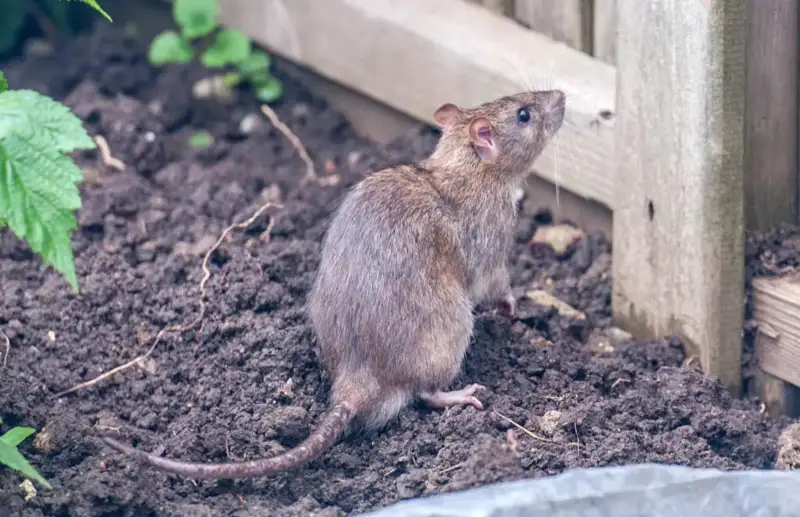
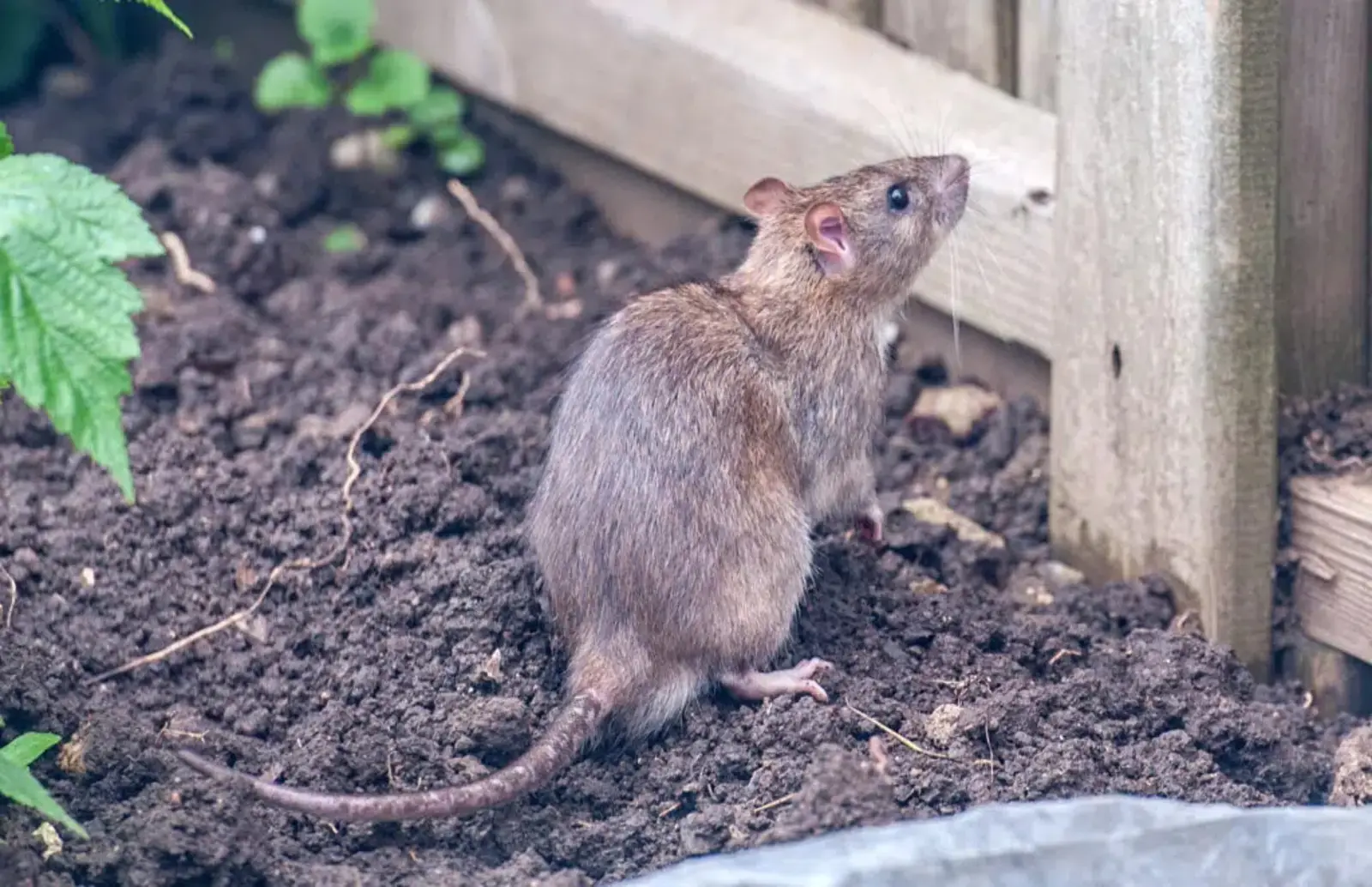
There's a particular kind of silence when you see your first garden rat. You stand at the kitchen window with your tea going cold, and the rat stands by the compost bin, and for a moment you both pretend nobody saw anything.
Why rats come into gardens
Rats need food, water and shelter, and a garden can offer all three. The British Pest Control Association says brown rats in gardens burrow into grassy banks or under sheds, and are often found living in sewers too. In London, a broken drain is a common way in.
They also breed fast. The BPCA says a pair of brown rats could potentially produce as many as 200 babies in a year. That's not a pest problem, that's a housing estate.
Signs of rats in the garden
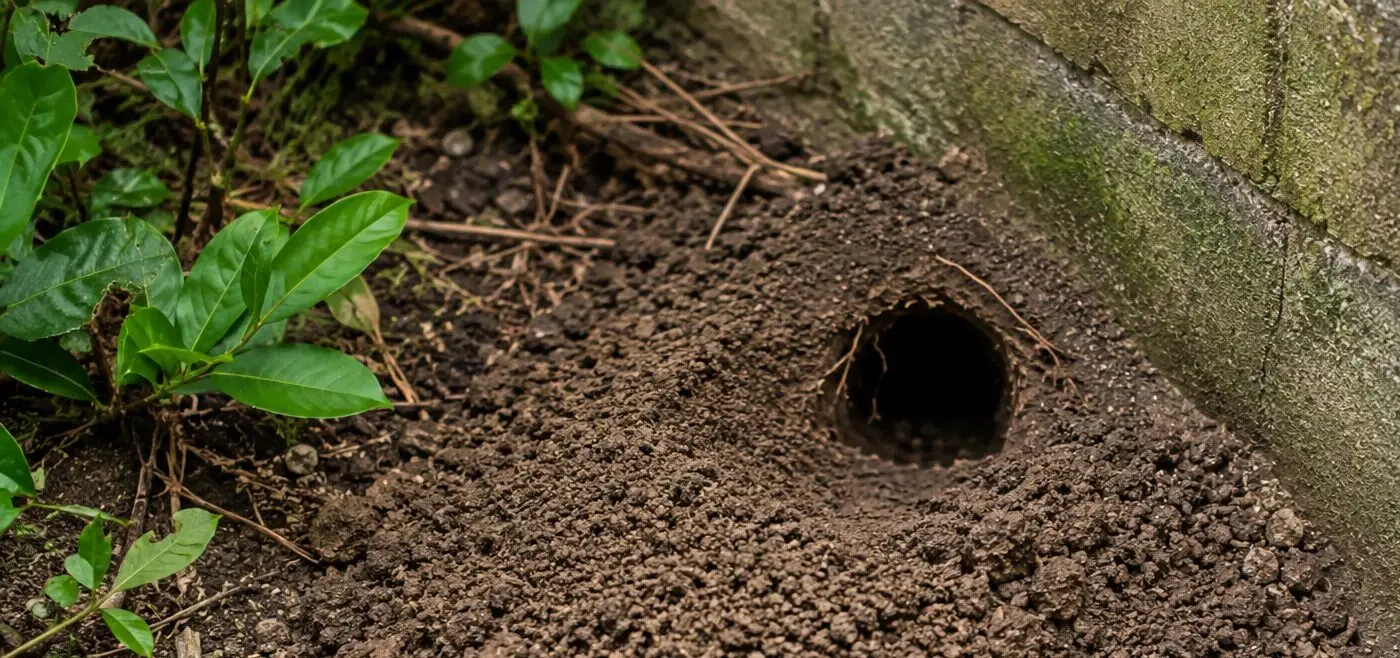
- Burrows about the width of a fist, with smooth, worn entrances, under sheds, decking or hedges
- Droppings like dark grains of rice, often clustered. The BPCA says a rat can leave up to 40 in one night
- Runs, flattened paths along fences and walls
- Gnawing on bins, sheds and compost bins
- Seed and fruit going missing faster than any bird could manage
How to get rid of rats in the garden, step by step
- Stop feeding them. Use bird feeders with trays, never throw food on the ground, and pick up fallen fruit. Don't put cooked food, meat or bread in the compost.
- Secure the bins. Keep lids shut, fix holes, and put compost bins on a solid base or wire mesh.
- Remove cover. Clear wood piles and rubbish, and cut back long grass and overgrown hedges. The BPCA recommends exactly this.
- Block the gaps. Fix galvanised wire mesh around the base of sheds and decking so rats can't get underneath.
- Check the drains. Look for cracked drain covers or broken pipes, especially if rats appear near the house.
| What attracts rats | What to do instead |
|---|---|
| Bird seed on the ground | Feeder with a tray, sweep up spills |
| Open compost bin | Closed bin on mesh, no cooked food |
| Wood piles and rubbish | Clear them or store off the ground |
| Space under the shed | Wire mesh around the base |
| Pet food outside | Feed pets indoors |
Rats are suspicious of new things, so traps and bait boxes you put out yourself can sit untouched for days. That's normal, and it's also why a DIY attempt often feels like it isn't working.
When to call a professional
Call a professional if you can see burrows, if rats are around the house rather than just the far end of the garden, or if you think they're getting in through a drain. Our rat treatment is £190 for a flat or £240 for a house, with tamper-resistant bait stations and the follow-up visits included.
See our rat control page, the rat control cost guide, and rats in the garden vs indoors if you think they're getting into the house.
The rat by the compost bin won't leave because you asked nicely. We've tried. It just looked at us.
Want it sorted?
Call or WhatsApp 020 7193 0475, or get a free quote online. Rat treatment is £190 for a flat or £240 for a house, follow-up visits included. You pay after the treatment, and there's no extra charge for evenings, weekends or bank holidays.
Need it dealt with?
See how our rat control in London works, check every price in full, or get a free quote and we will call you back within 15 minutes, day or night. If the pests come back within 60 days, we return free.
Need rats treated?
See how our rat control in London works, what it costs and what is included.