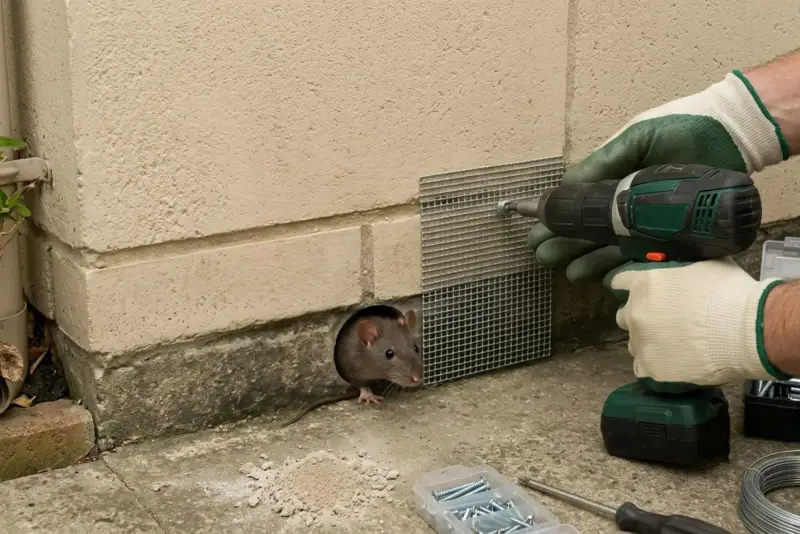
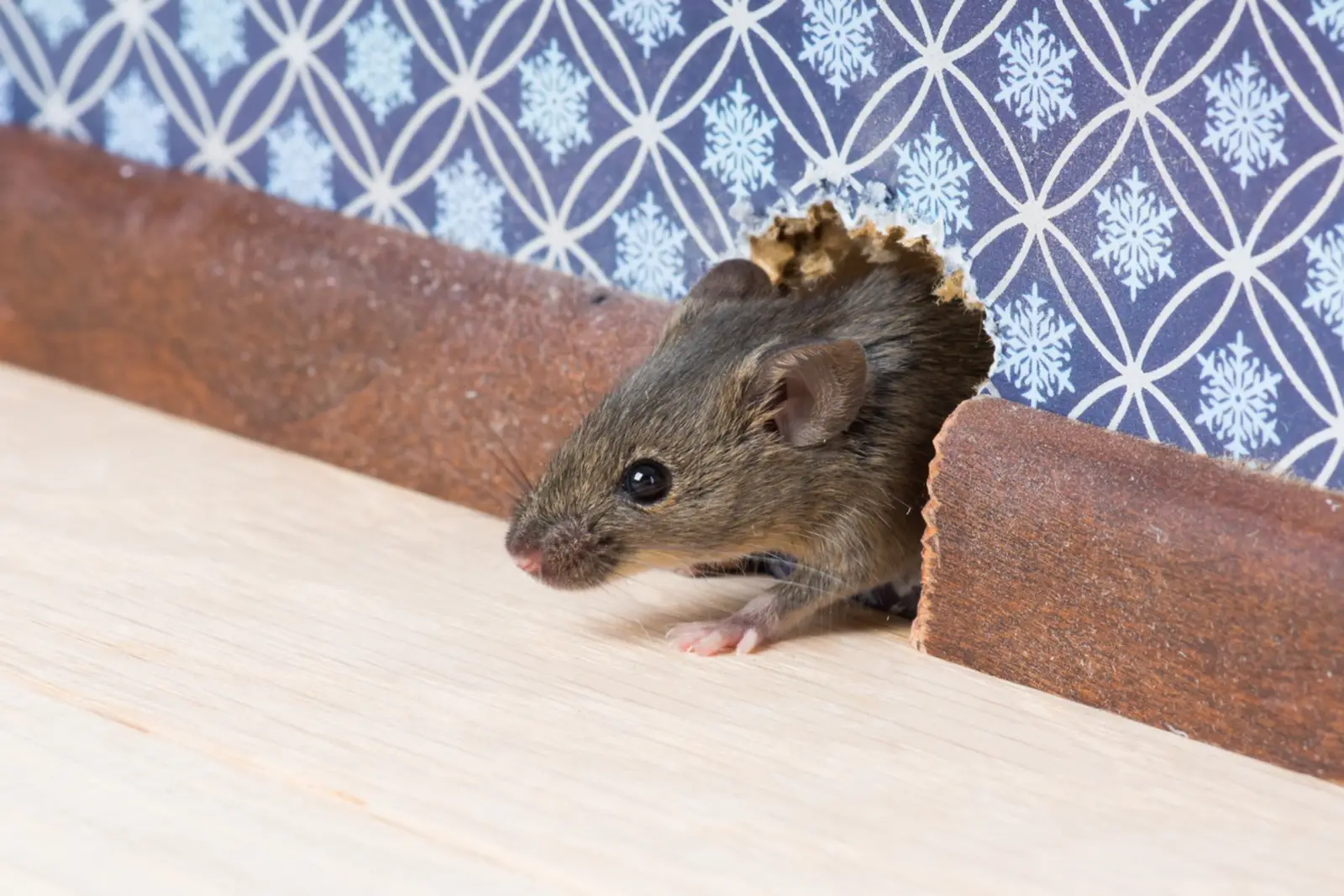
A single sighting is the obvious sign, but mice are nocturnal and cautious, so most infestations are noticed through indirect signs well before - or instead of - actually seeing one. Here’s the full list to check.
Droppings
The most reliable sign. Mouse droppings are small (roughly rice-grain sized, 6-9mm), dark, and pointed at the ends. Found most often along skirting boards, inside cupboards, in drawers near food storage, and behind appliances.
Gnaw Marks
Mice gnaw constantly, and marks show up on:
- Food packaging, particularly cardboard and thin plastic
- Skirting boards and door frames
- Electrical cabling - a genuine fire risk, not just cosmetic damage
Sounds
Mice are mainly active at night, and construct networks of tunnels and nesting areas within wall cavities, under floors, and in loft insulation. Listen for:
- Light scratching or scurrying in walls, ceilings, or under floorboards
- Quick, scampering sounds rather than heavier movement (a useful clue against rats - see our rats vs mice comparison for the full distinction)
Smell
A stale, slightly ammonia-like smell in enclosed spaces - airing cupboards, under sinks, inside kitchen units - can indicate a nest nearby, particularly if it’s noticeably stronger in one specific area.
Nesting Material
Shredded paper, fabric, or insulation gathered into a rough nest shape, usually tucked into an undisturbed corner - behind a fridge, inside a loft, at the back of a rarely-used cupboard.
Smear Marks
Mice tend to travel the same routes repeatedly, leaving faint grease and dirt marks along skirting boards and wall bases over time - often more visible with a torch at an angle than in normal light.
Pet Behaviour
Cats and dogs often notice mouse activity before their owners do - persistent sniffing, scratching, or staring at a specific wall, cupboard, or appliance is worth investigating.
How Many Signs Do You Need Before Booking an Inspection?
One or two isolated signs (a single dropping, one scratching noise) can sometimes be a one-off. Multiple signs together - droppings plus gnaw marks, or repeated sounds over several nights - are a stronger indication of an established, ongoing presence worth having inspected properly.
Need it dealt with?
See how our mice control in London works, check every price in full, or get a free quote and we will call you back within 15 minutes, day or night. If the pests come back within 60 days, we return free.
Need mice treated?
See how our mice control in London works, what it costs and what is included.