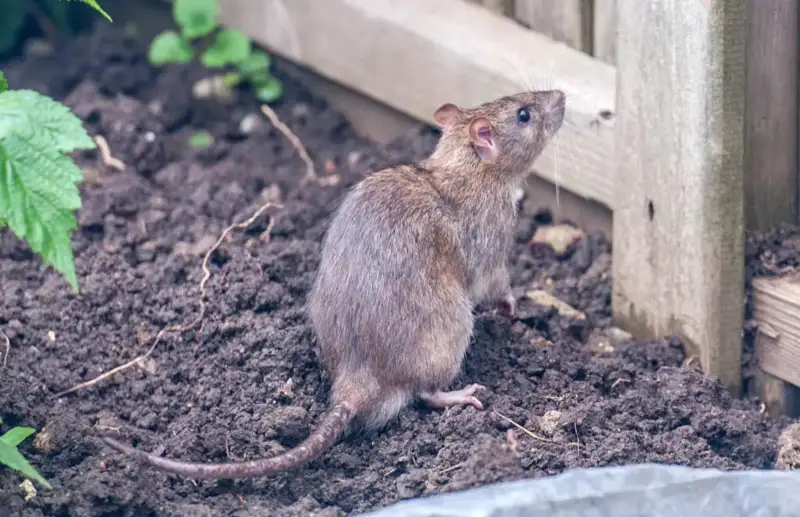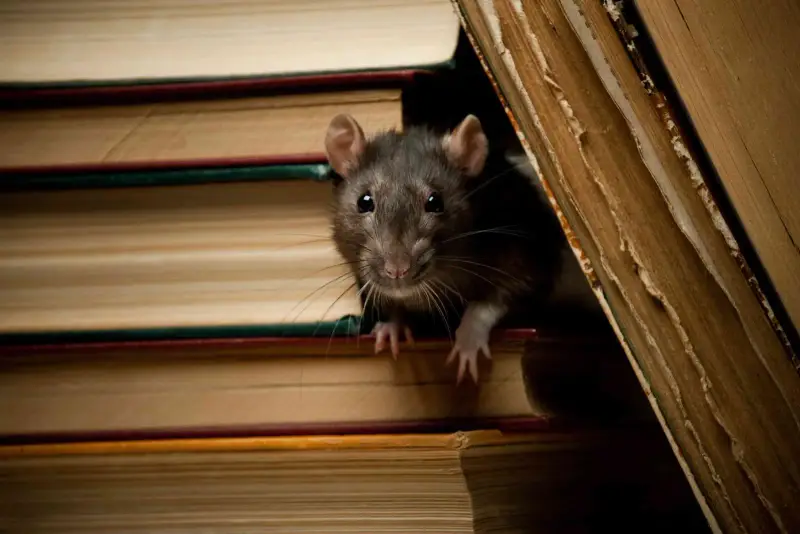
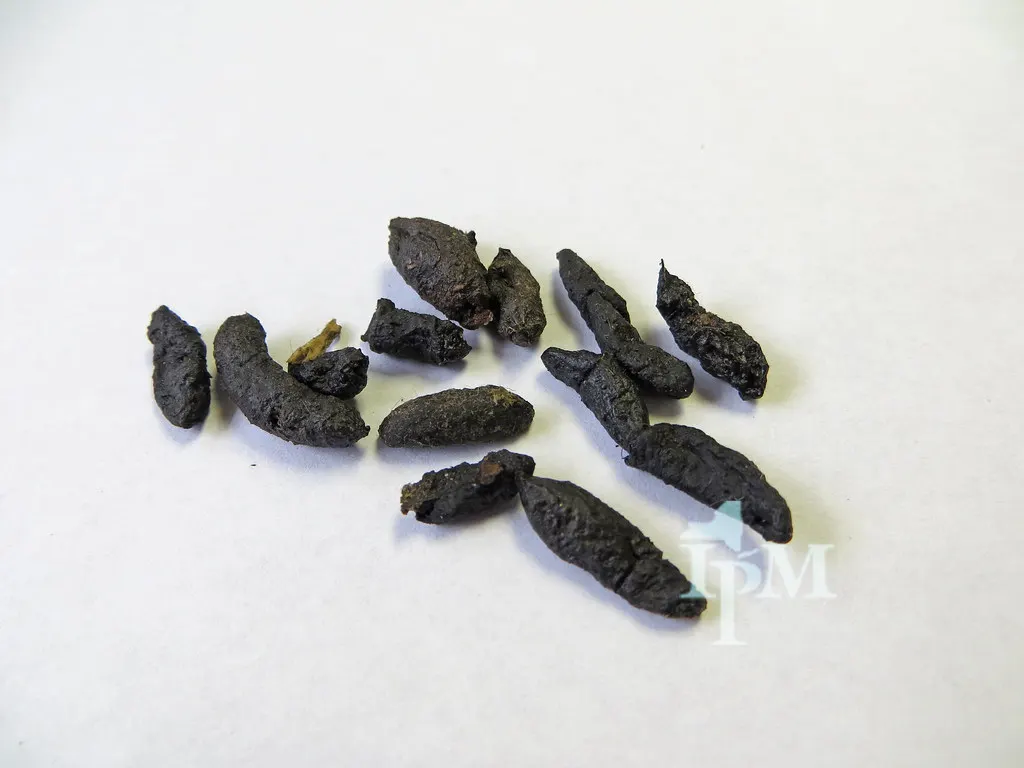
Quick answer: Rat droppings are dark brown or black, about 1 to 2cm long, shaped like a jelly bean or a fat grain of rice with blunt ends, and usually found in clusters along walls and runs. Fresh ones are shiny and soft, old ones are dry and crumbly. Don't sweep or vacuum them: wet them with disinfectant first, wear gloves, and find out where the rat is coming from.
Nobody goes looking for rat droppings. They find you, usually behind the bin, at the back of the cupboard, or in the loft on the one day you went up for the Christmas decorations.
What do rat droppings look like?
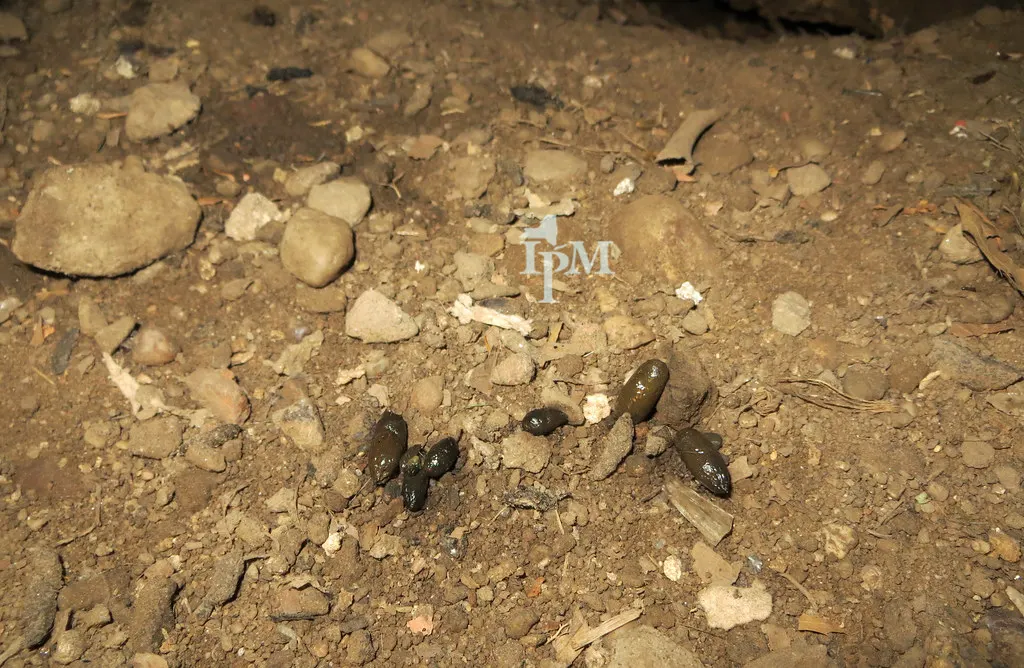
According to Liverpool City Council, rat droppings are typically 1 to 2cm long, shiny, and look like dark brown or black jelly beans, often in clusters. Basically a sweet you'd never, ever accept.
| Rat droppings | Mouse droppings | |
|---|---|---|
| Size | 1 to 2cm | 3 to 8mm, like a grain of rice |
| Shape | Chunky, blunt ends | Thin, pointed ends |
| Colour | Dark brown to black | Black |
| Pattern | Clusters along runs | Scattered everywhere |
| Where | Lofts, under floors, sheds, behind bins | Kitchen cupboards, drawers, behind appliances |
Size is the giveaway. If you need to squint, it's probably a mouse. If you can see it from the doorway, it's a rat. Our rats vs mice guide covers the other differences.
Fresh or old? How to tell
- Fresh: shiny, dark and soft, like putty
- A few days old: duller and starting to harden
- Old: grey, dry and crumbly when pressed with a stick (a stick, not a finger)
Fresh droppings mean a rat is using that spot right now. Old droppings with nothing new on top can mean a problem that's already been and gone. A good trick is to clear an area and check again two days later to see if anything new turns up. It's the least fun stakeout you'll ever run.
Where rat droppings usually turn up in London homes
Rats leave droppings along the routes they travel, so you'll often find them in a line beside a wall rather than in the middle of the floor. They like an edge to follow, like a commuter who refuses to walk anywhere but the left-hand side of the escalator.
- Lofts and roof spaces, often near the water tank or along the joists
- Under kitchen units, behind the kickboards
- Around boilers and pipe boxing, where gaps lead into walls
- Sheds, garages and compost bins in the garden
- Near bins and bird feeders, the rat equivalent of a 24-hour garage
If the droppings are in the garden, read our guide to rats in the garden vs rats indoors.
Are rat droppings dangerous?
They can be. Rats can carry diseases, and the one most people in the UK have heard of is leptospirosis, also called Weil's disease. The NHS guidance on leptospirosis says it's spread through the urine of infected animals, mostly rats, and you can catch it if that gets into cuts or your eyes, nose or mouth.
That's why the clean-up matters more than the droppings themselves. Nobody has ever been harmed by looking at a rat dropping, only by sweeping it into a cloud of dust and breathing in.
How to clean up rat droppings safely
This follows advice from the US Centers for Disease Control.
- Air the space. Open doors and windows for about 30 minutes before you start, and leave while it airs.
- Put on rubber or plastic gloves. Not your good washing-up gloves. Those are now the rat gloves forever.
- Don't sweep or vacuum. Spray the droppings and any urine with disinfectant or a bleach solution until they're soaking wet, and leave it for 5 minutes or as long as the label says.
- Wipe up with paper towels, put everything in a bag, tie it, bag it again and put it in an outside bin.
- Disinfect the area and anything the droppings touched, then take the gloves off and wash your hands with soap and warm water.
Large amounts of droppings, nests or a dead rat in a loft are a different job. That's where you want someone with proper protective kit, and ideally someone who isn't you.
What to do after you've found them
Cleaning up the droppings deals with the evidence, not the rat. It's like tidying away the crumbs while the person eating the biscuits is still on your sofa.
| Next step | What to look for or do |
|---|---|
| Look for other signs | Gnaw marks on pipes and bins, greasy smear marks along walls, scratching at night |
| Remove easy food | Lids on bins, no food left out, bird feeders down for a while |
| Check for gaps | Around pipes and air bricks, and where cables come in |
| Check the drains | A damaged pipe under the floor is a common way in for rats in London terraces |
If droppings keep appearing after a week, or you're hearing scratching in the ceiling or walls, it's time for a proper treatment.
How we deal with rats
| Rat treatment | Price |
|---|---|
| Flat | £190 |
| House | £240 |
| Follow-up visits | Included |
| Rats back within 60 days | We return free |
Our technicians are all BPCA certified. There's no extra charge for evenings, weekends or bank holidays. See our rat control service or the rat control price guide.
Want it sorted?
Call or WhatsApp 020 7193 0475, or get a free quote online and we'll call you back within 15 minutes, day or night. Header photo: The NYSIPM Image Gallery, CC BY 2.0.
Need it dealt with?
See how our rat control in London works, check every price in full, or get a free quote and we will call you back within 15 minutes, day or night. If the pests come back within 60 days, we return free.
Need rats treated?
See how our rat control in London works, what it costs and what is included.